

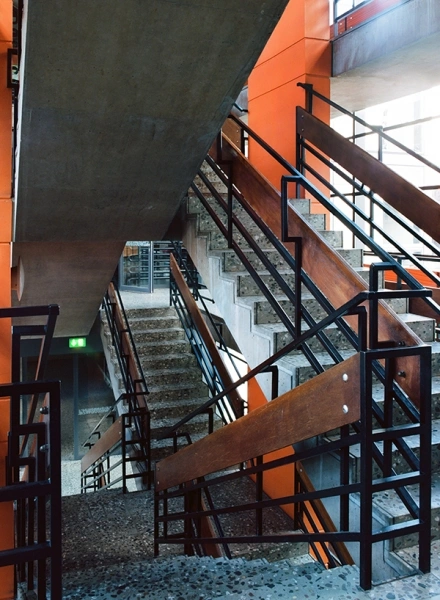
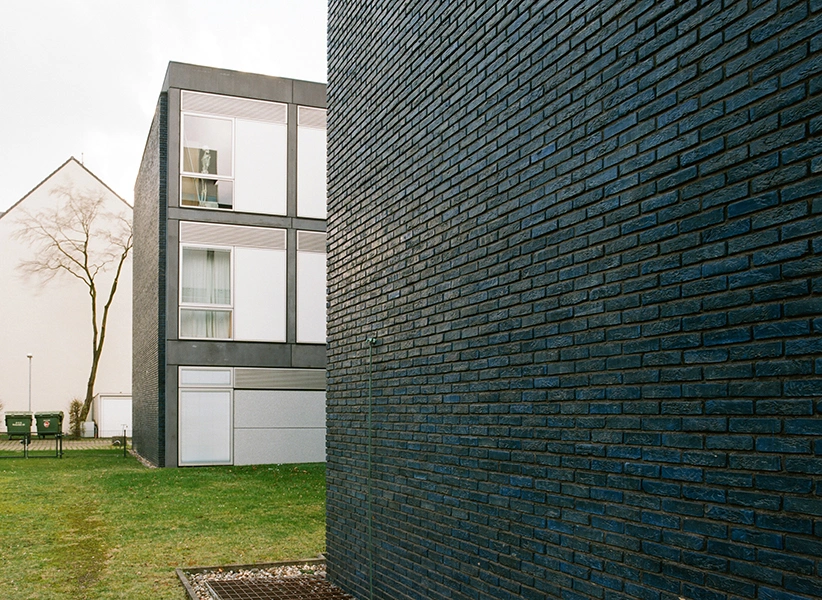
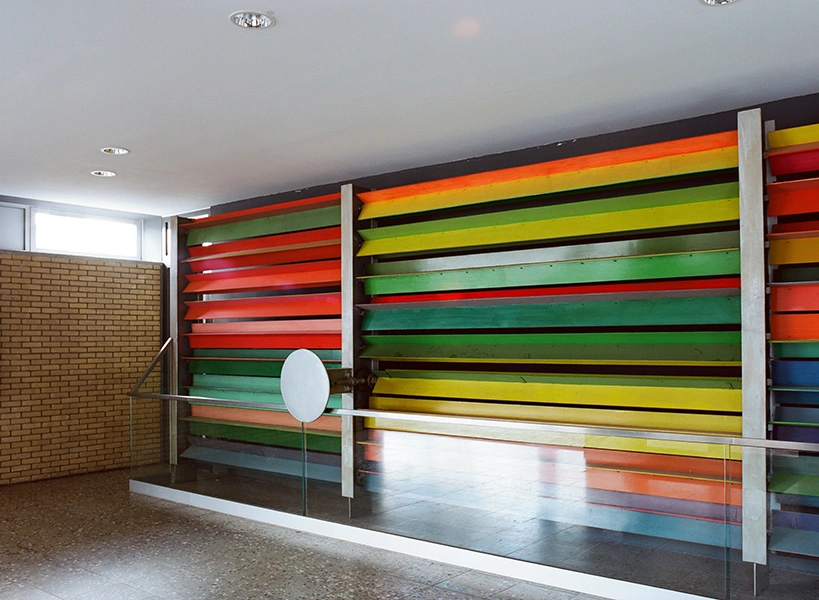
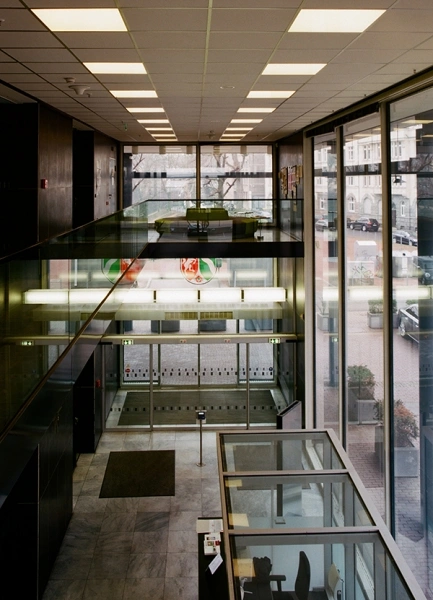
Margret Hoppe Photography

Margret Hoppe (born 1981 in Greiz/Thuringia), based in Leipzig, is a graduate of the Academy of Visual Arts Leipzig (HGB) with Professor Timm Rautert and Professor Christopher Muller. She studied at the Ecole Nationale Supérieure des Beaux Arts in Paris with Jean Marc Bustamande and Christian Boltanski. In addition to classical architectural photography, she places particular emphasis on the cultural-historical conditions of architecture. Her work has been exhibited and collected by museums and galleries in the Netherlands, India, France, Armenia, Bulgary, Germany, India, the Netherlands, Sweden, Switzerland and the US.

CV

Contact

Margret Hoppe

Spinnereistraße 7 / PF 220

D-04179 Leipzig

Instagram

Gallery

Parrotta Contemporary Art (Cologne/Bonn)

ASPN Leipzig

Galerie Sandau Berlin

Collections

Museum Folkwang Essen

Staatsgalerie Stuttgart

Museum der bildenden Künste Leipzig

Wende Museum Los Angeles

Fotomuseum Winterthur

DZ Bank Frankfurt am Main

Sammlung der Bundesrepublik Deutschland

Museum für Kunst und Gewerbe Hamburg

Sammlung der Bundesbank

Kunstsammlungen Dresden

Grassi Museum für Angewandte Kunst Leipzig

Gallerie für Zeitgenössische Kunst Leipzig

Legal Notice Privacy Policy

01/01

Publication in the Wall Paper Magazine about the Future of Berlins ICC Building
Read here

Together with Sebastian Stumpf at Parrotta Contemporary Art / Burg Lede Bonn
28.11.–06.02.27
Opening: Saturday, 28. 11. 2026, 3 pm with an Artist Talk with Dr. Barbara Scheuermann, Kunstmuseum Bonn
More Information

24 Archival Inkjet Prints, 42 x 56 cm, Wall texts, Poems


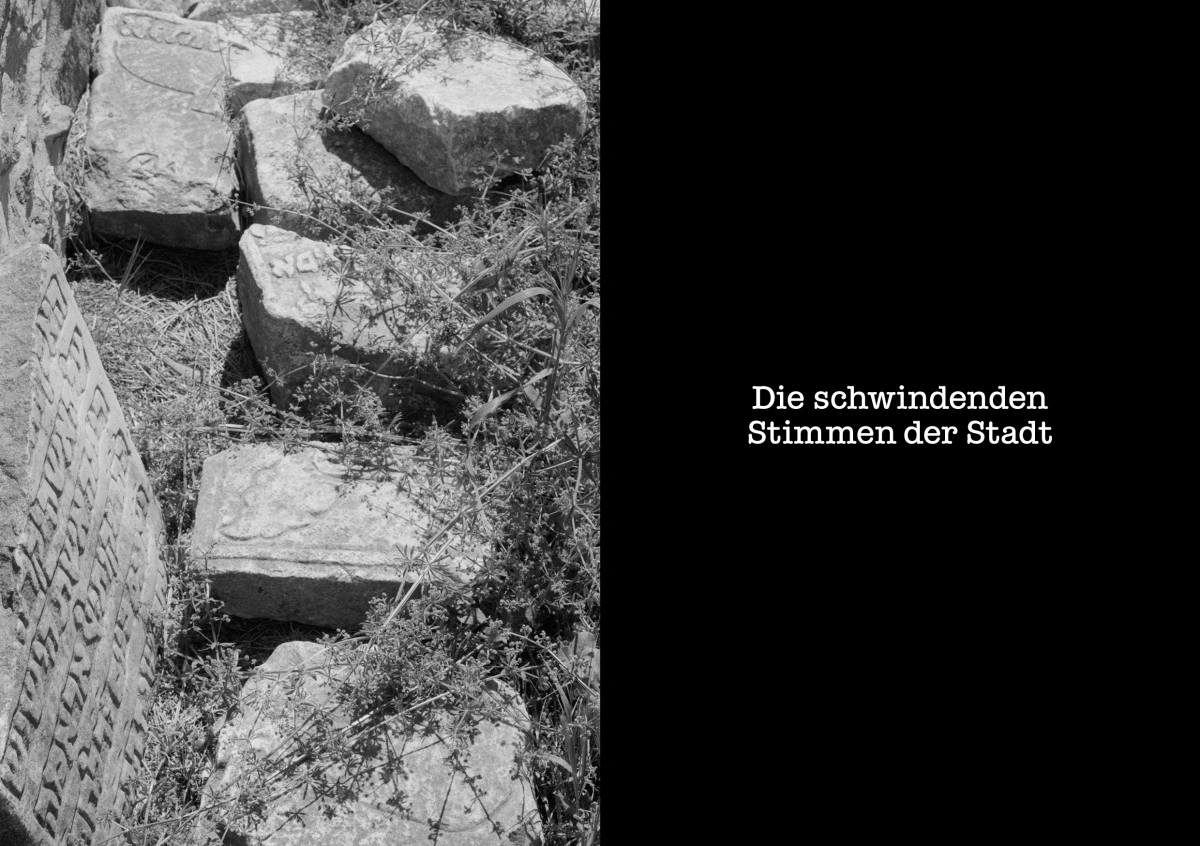
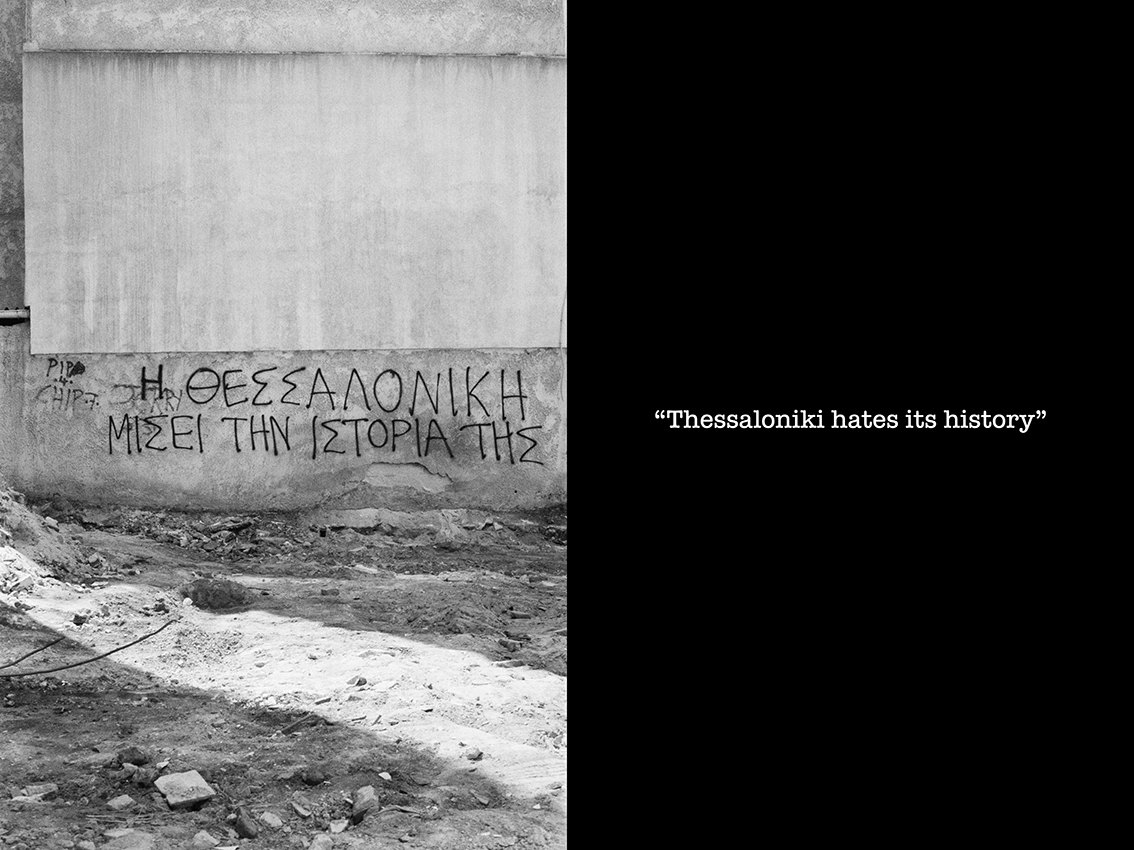
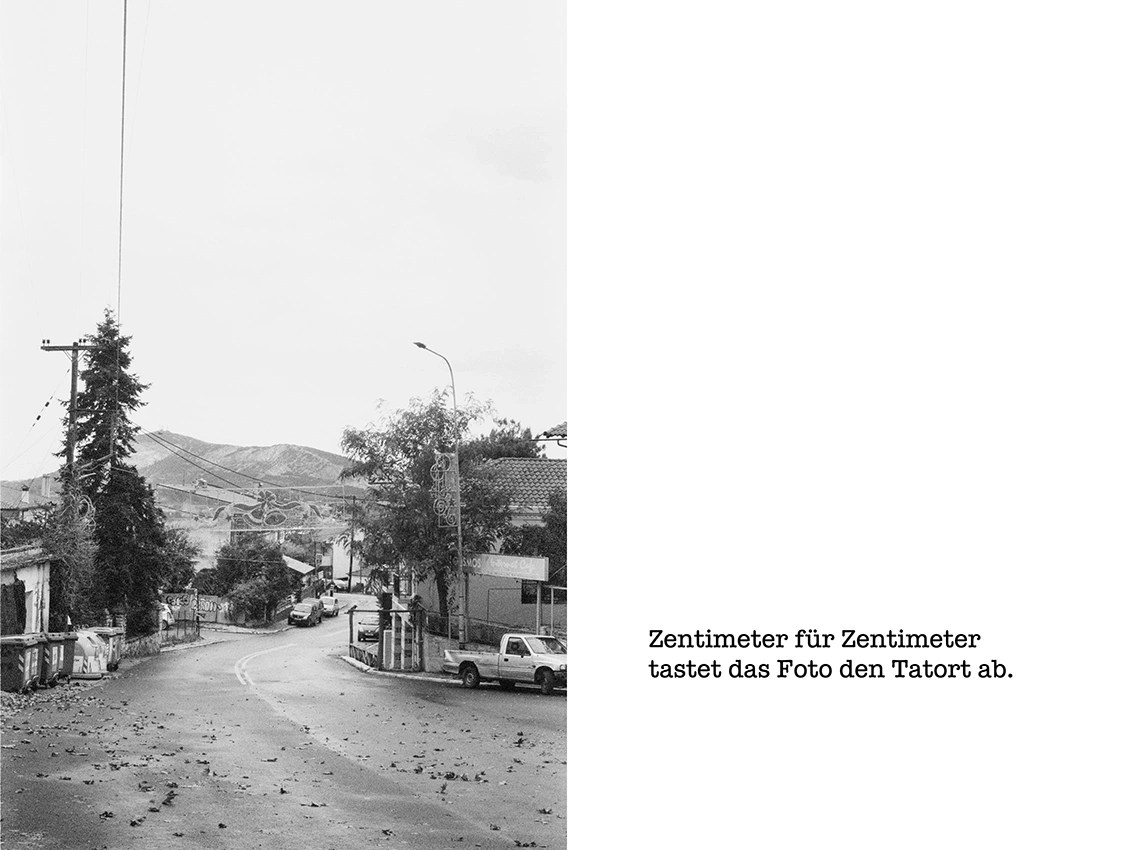
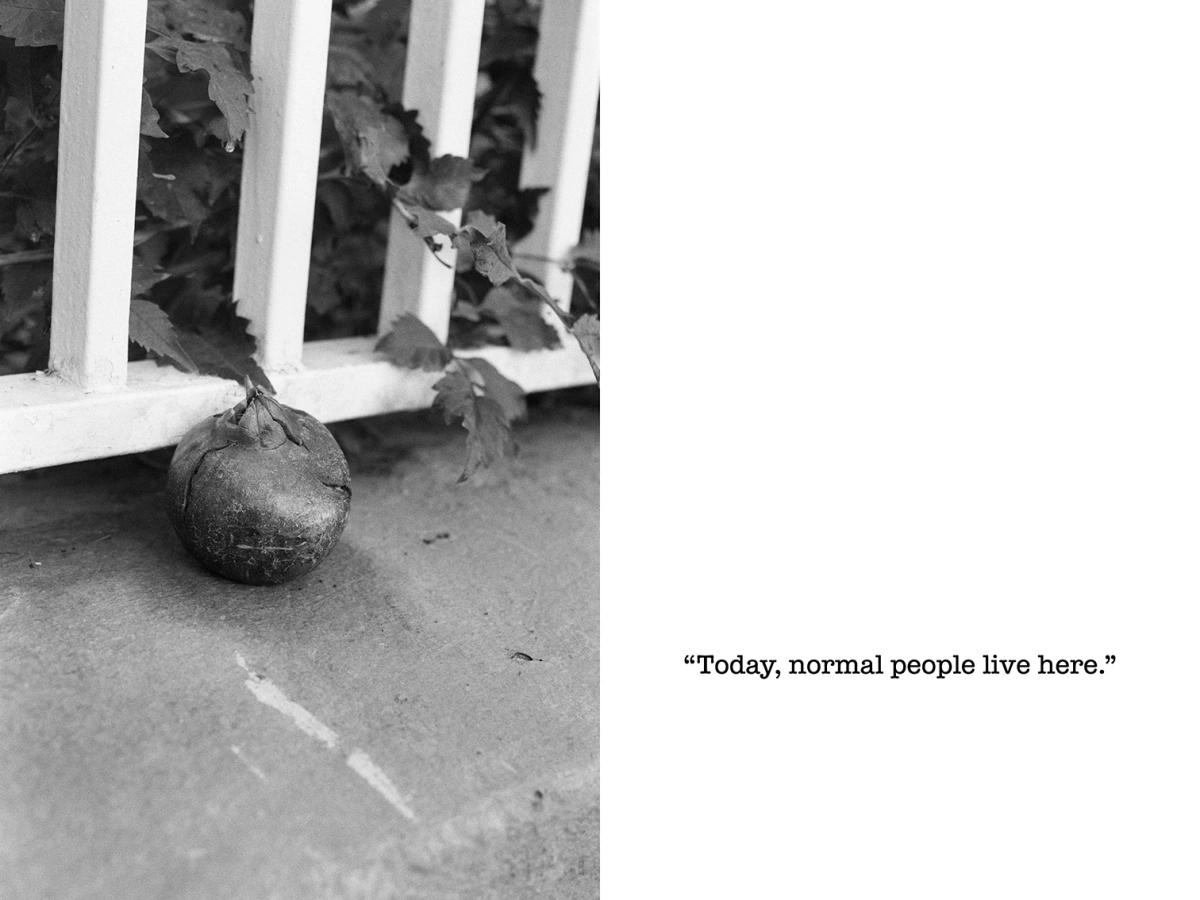
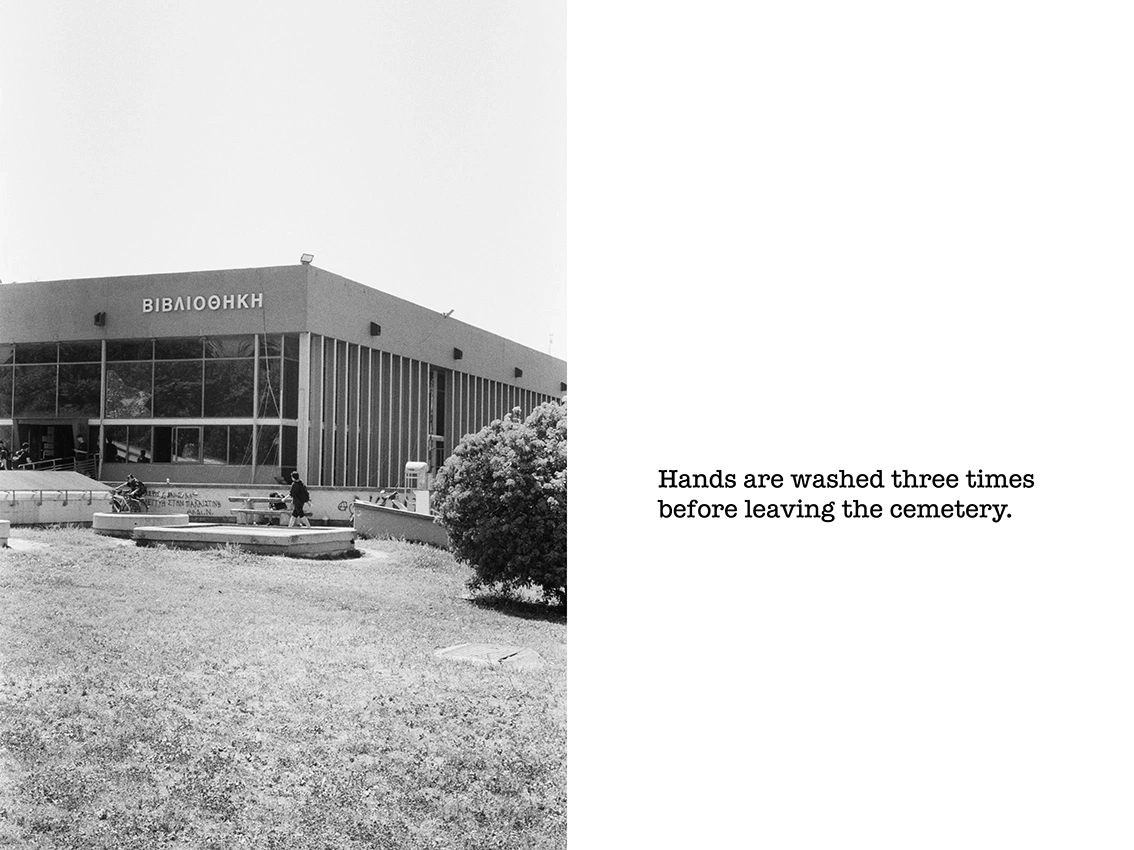
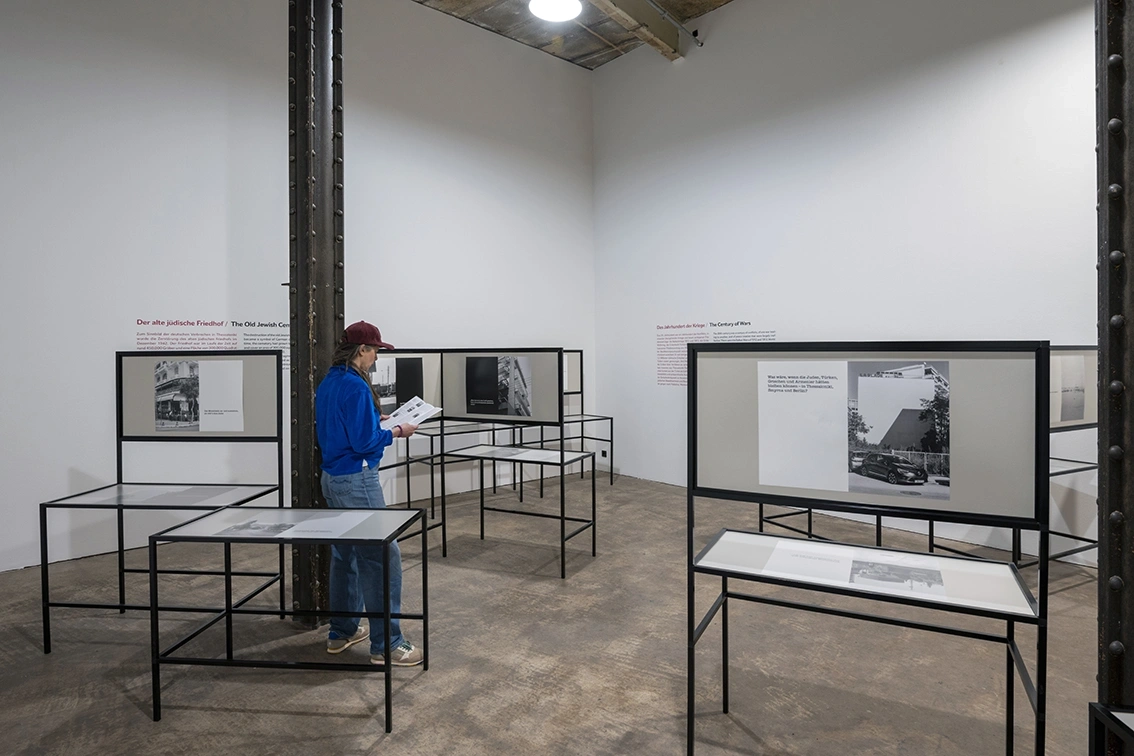
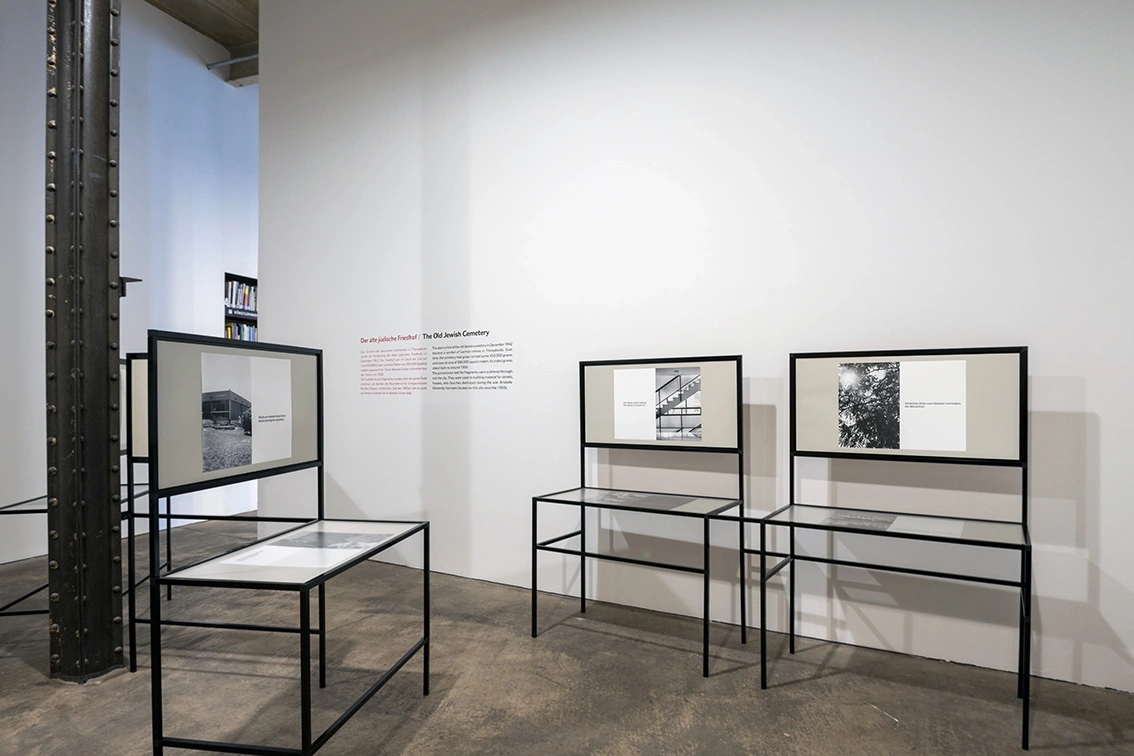
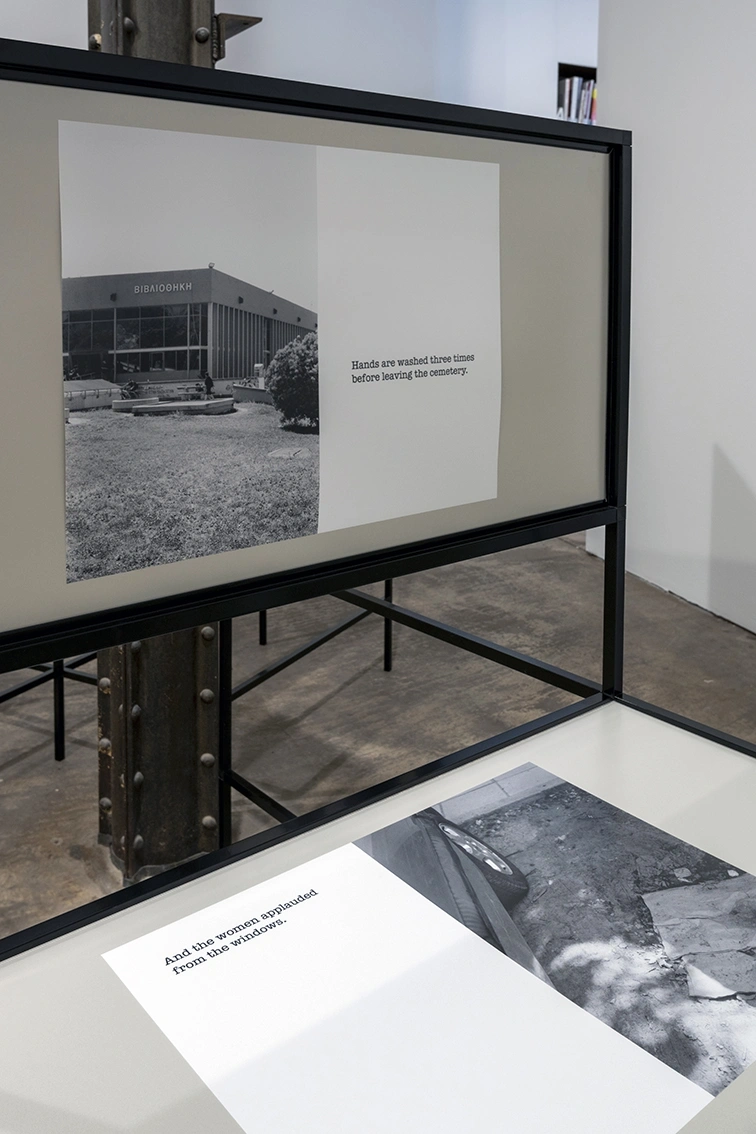
The work “The Memory of Stones” traces the footsteps of what is absent and erased. Through photographs (Margret Hoppe) and texts (Karoline Mueller-Stahl), the two artists explore the possibilities of memory. What can we see when everything has been destroyed? What happened on ordinary streets, in public squares, and in entire neighborhoods? Where were the places of Jewish life? What can be remembered when almost everything has been completely erased and only a few people remain who can give voice to these stone fragments? The black-and-white photographs of seemingly everyday places were taken in the harsh light of the midday sun. Through this method, their aesthetics rely on a language of contrast. This decision reminds us that the Nazis’ recruitment of forced laborers took place on July 11, 1942—the “Black Shabbat”— in the midday heat of a summer day.
The texts are concentrated linguistic images and quotations. They aim to open minds and inspire questions. They deal with perception, memory, religious questions, and specific historical events. Written in German and English, they recall the multilingualism of Thessaloniki, which existed throughout the period of the Ottoman Empire (1430–1912) and gradually declined in the 20th century.

01 Archival Inkjet Print, 42 x 56 cm

02 Archival Inkjet Print, 42 x 56 cm

03 Archival Inkjet Print, 42 x 56 cm

04 Archival Inkjet Print, 42 x 56 cm

05 Archival Inkjet Print, 42 x 56 cm

06 Archival Inkjet Print, 42 x 56 cm

07 Archival Inkjet Print, 42 x 56 cm

08 Exhibition view, Halle 14 Leipzig, 2026, Photography: Sven Bergelt

09 Exhibition view, Halle 14 Leipzig, 2026, Photography: Sven Bergelt

10 Exhibition view, Halle 14 Leipzig, 2026, Photography: Sven Bergelt

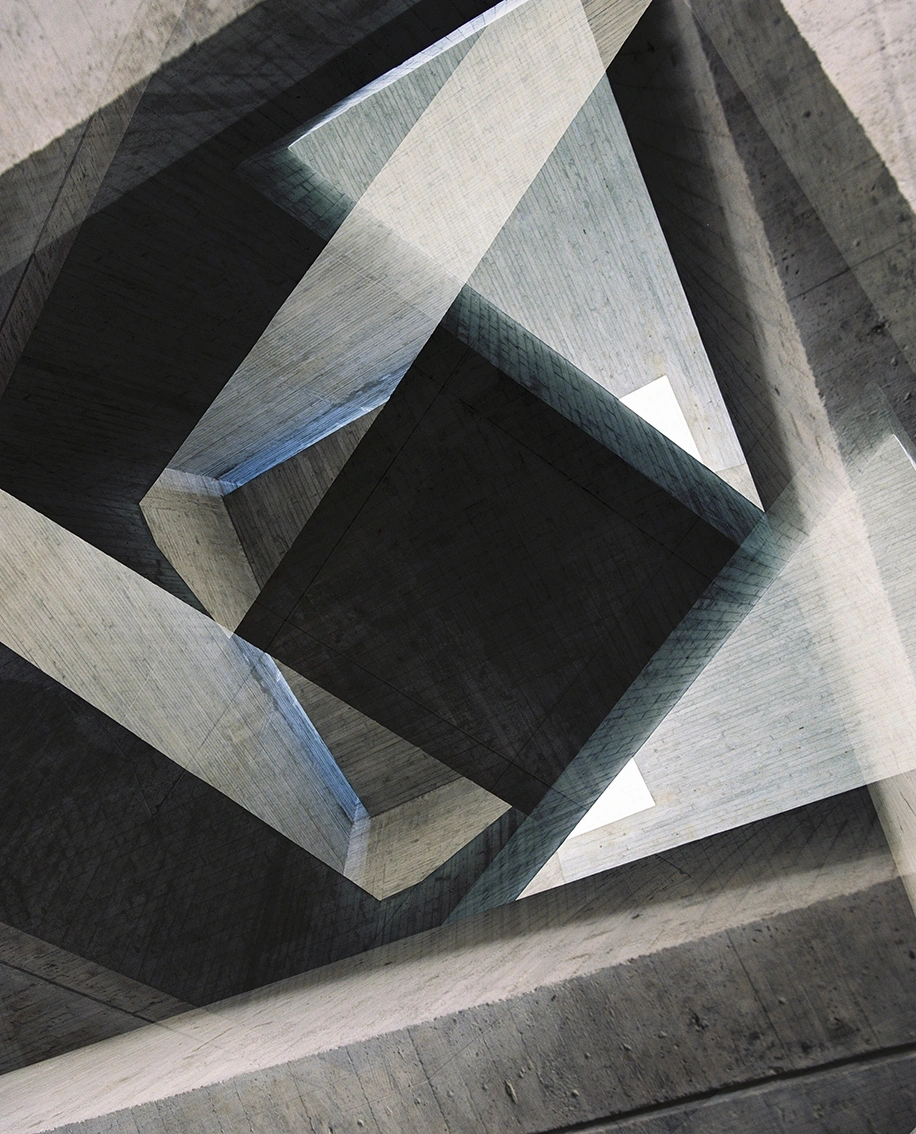
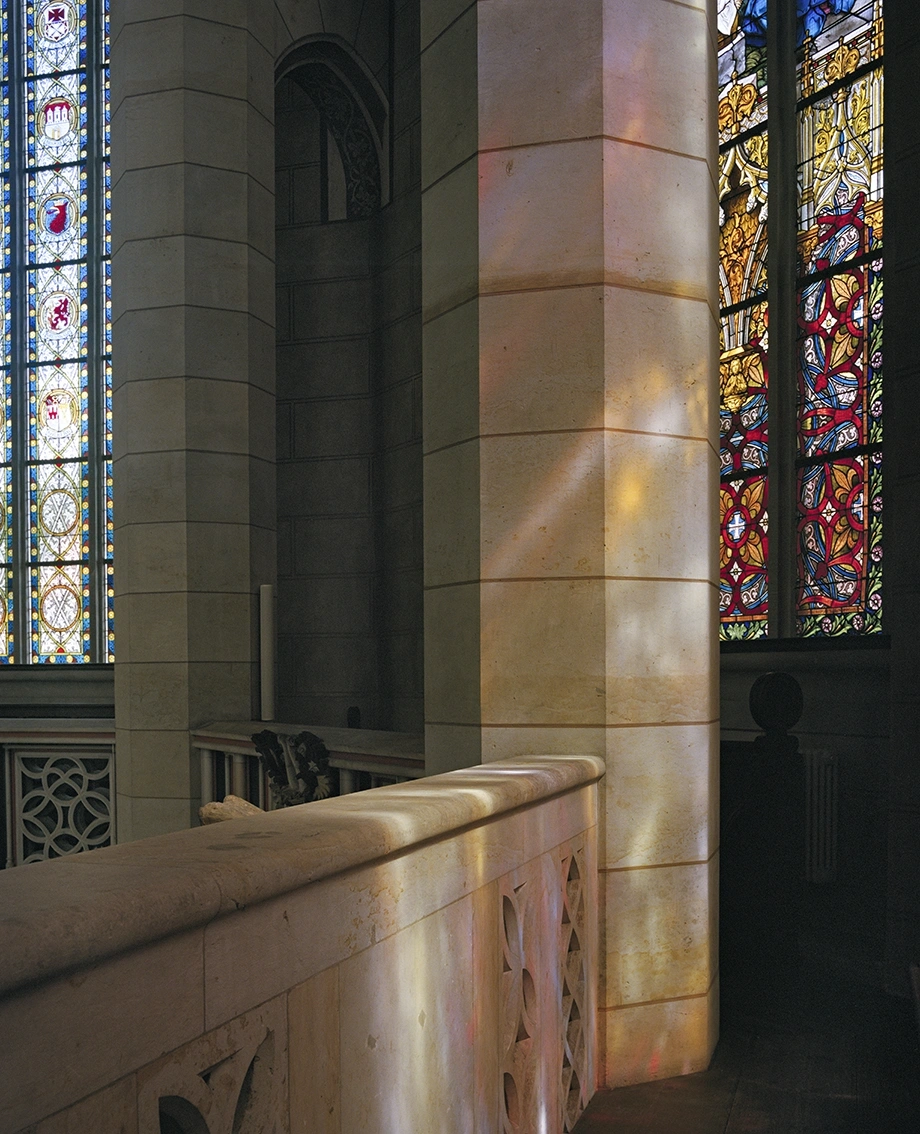
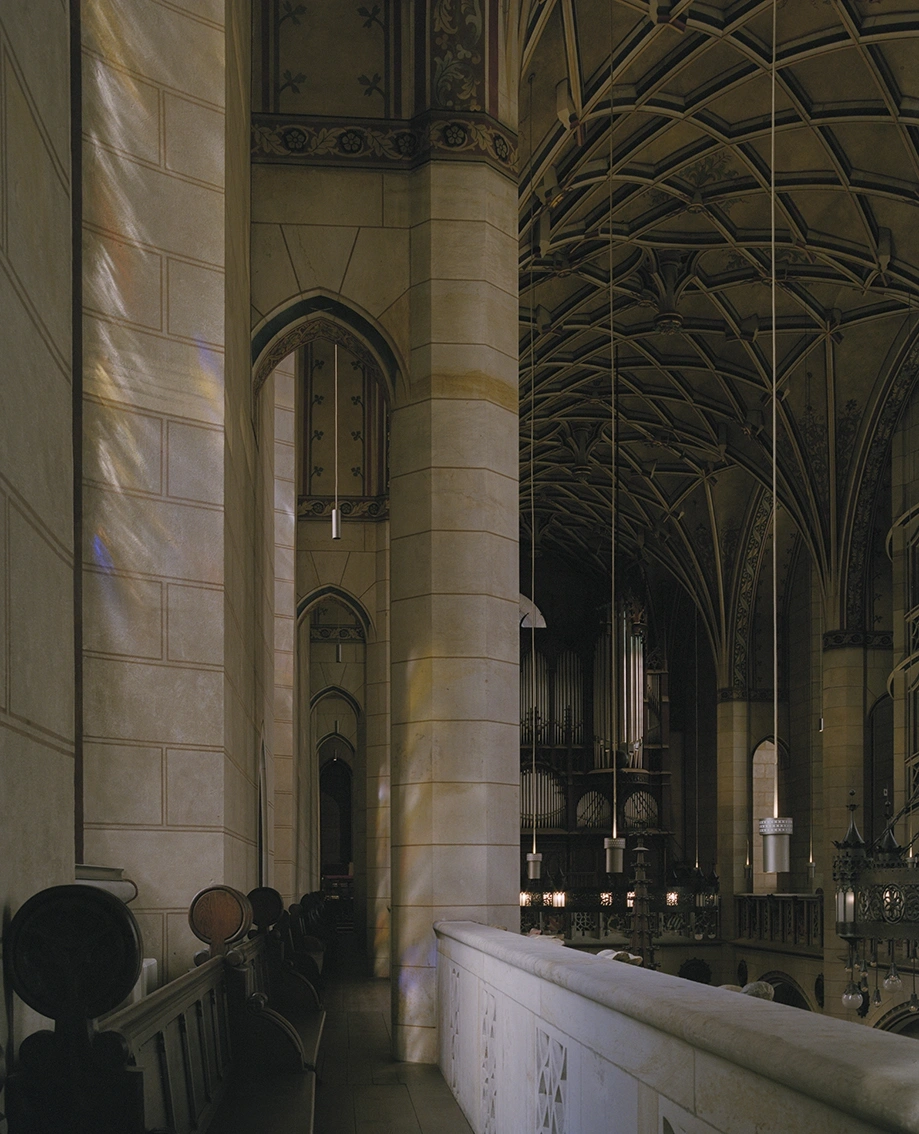
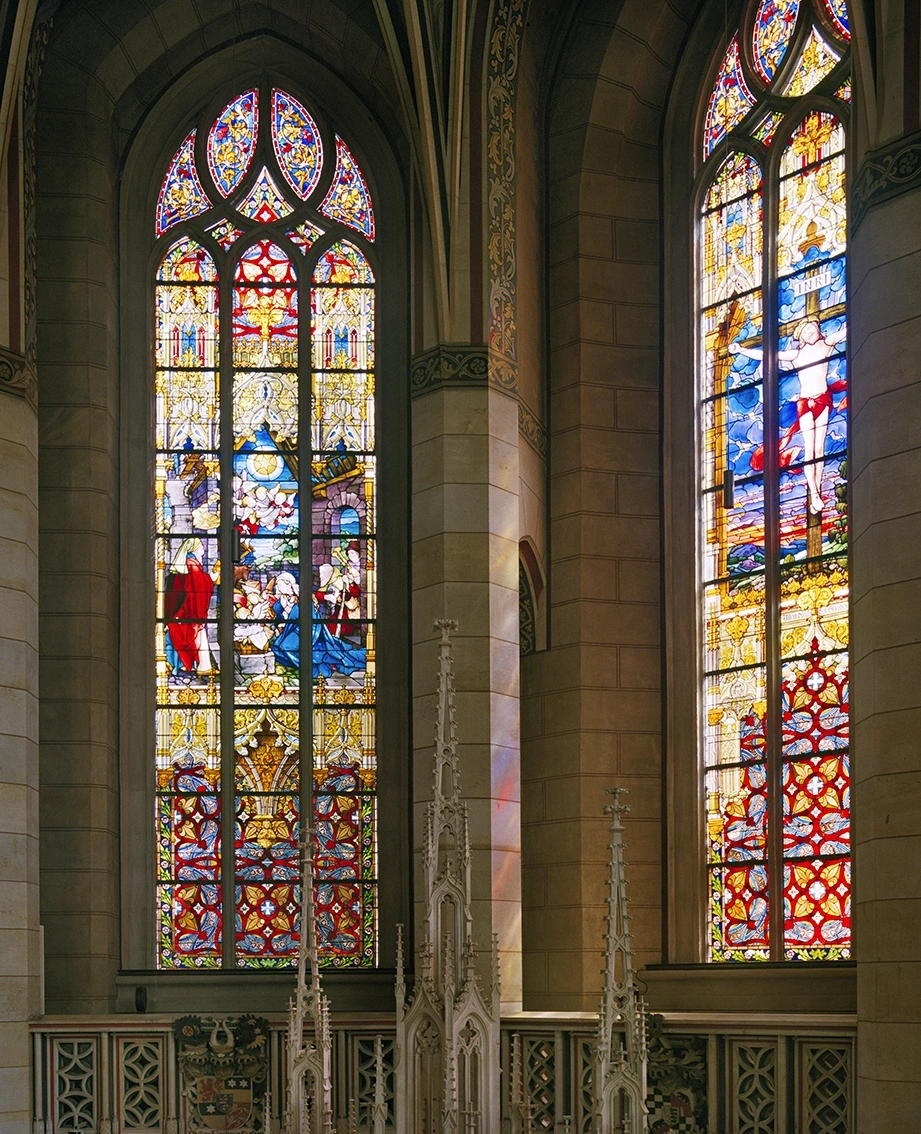
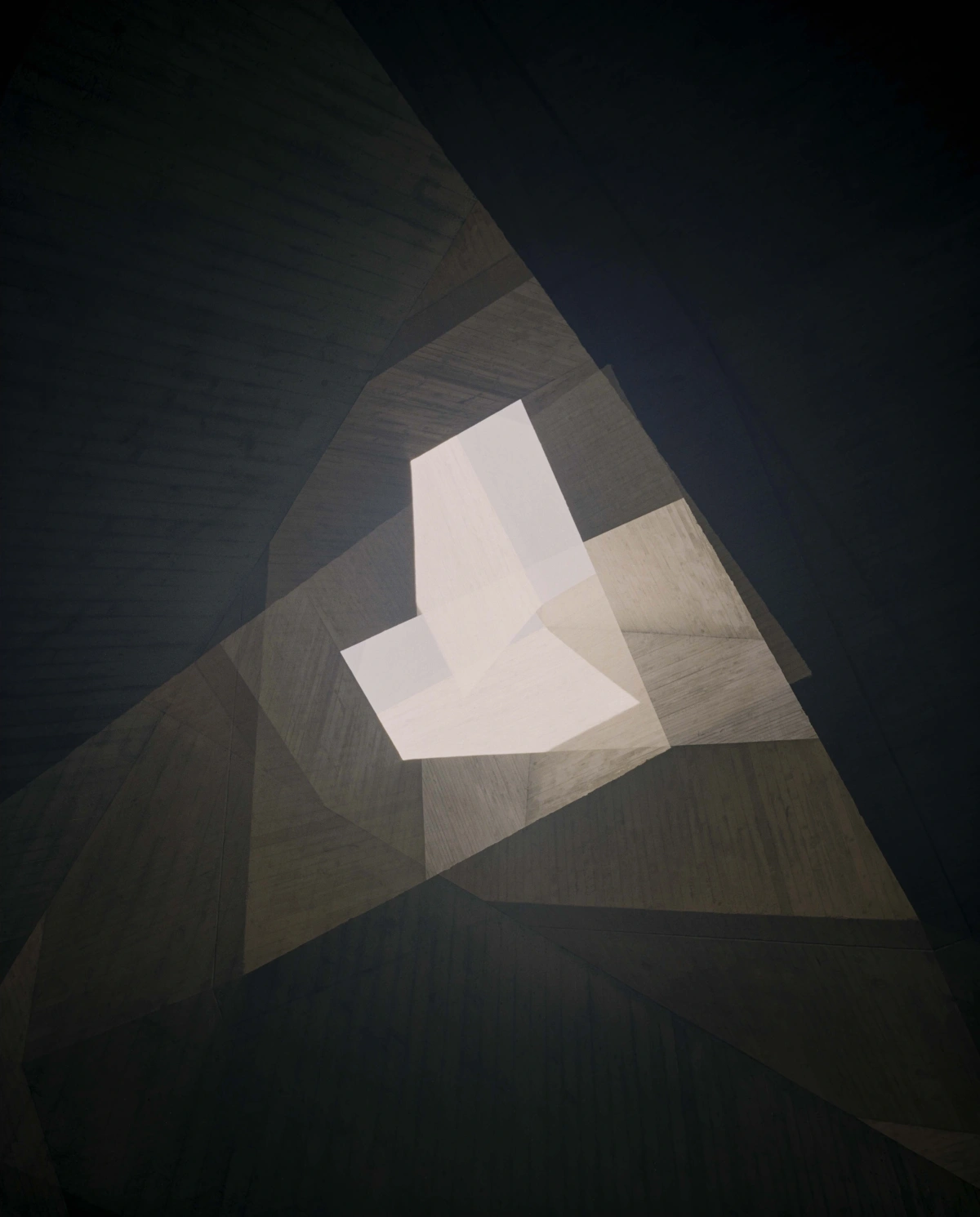
This series features images from the Castle Church in Wittenberg, which were exhibited in the foyer in 2025 and subsequently acquired by the Christian Art Foundation (Stiftung Christliche Kunst Wittenberg) collection. My work explores the nature of light within the church interior; it also includes double exposures taken in the stairwell of the preachers' seminary, built by Bruno Fioretti Marquez architects.

01 Lichter V, 2025, C-Print

02 Lichter I, Schloßkirche Wittenberg, 2025, C-Print behind Acryl Glas, 100 x 80 cm

03 Lichter II, Schloßkirche Wittenberg, 2025, C-Print behind Acryl Glas, 100 x 80 cm

04 Lichter II, Schloßkirche Wittenberg, 2025, C-Print behind Acryl Glas, 100 x 80 cm

05 Lichter IV, Schloßkirche Wittenberg, 2025, C-Print

Commission for EinS, Series sof 26 Analog Photographs, C-Prints, dufferent Sizes, Mounted on Alu Dibond


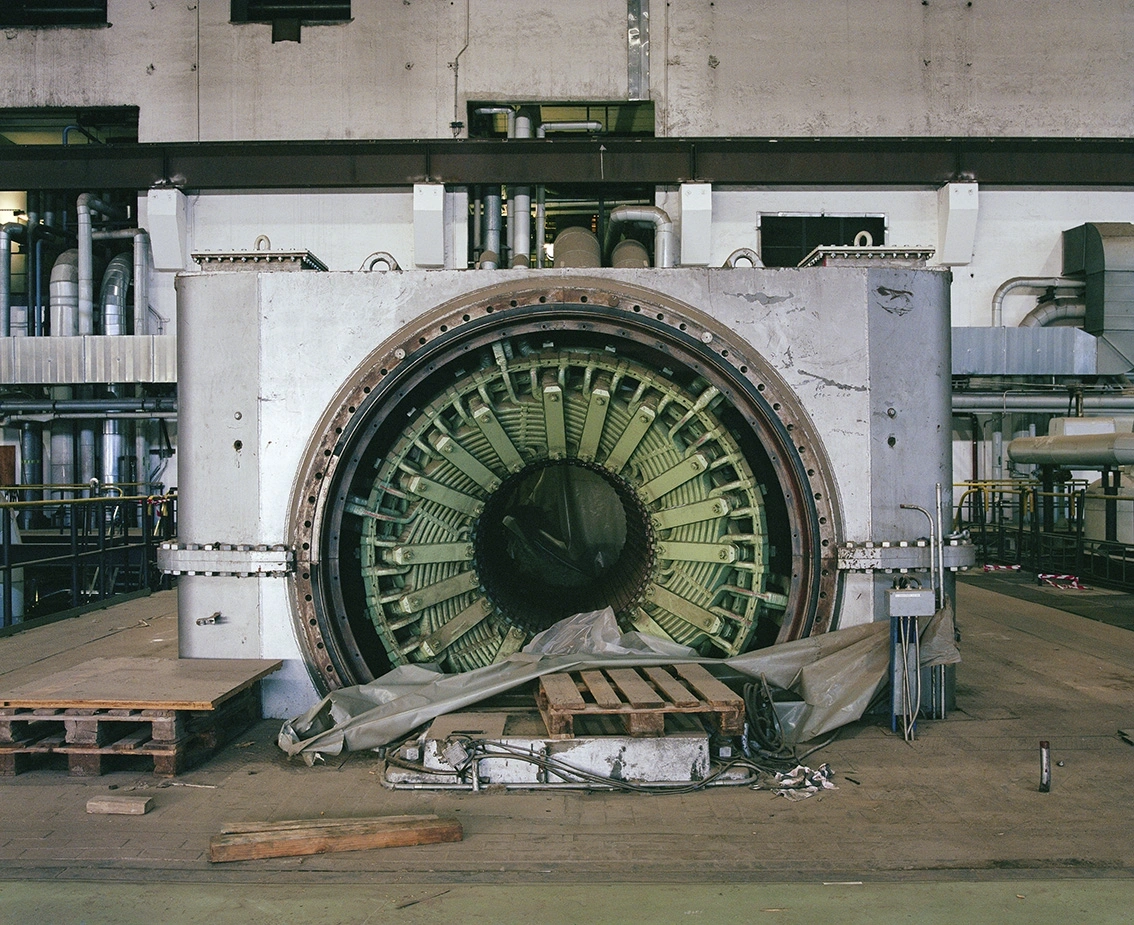
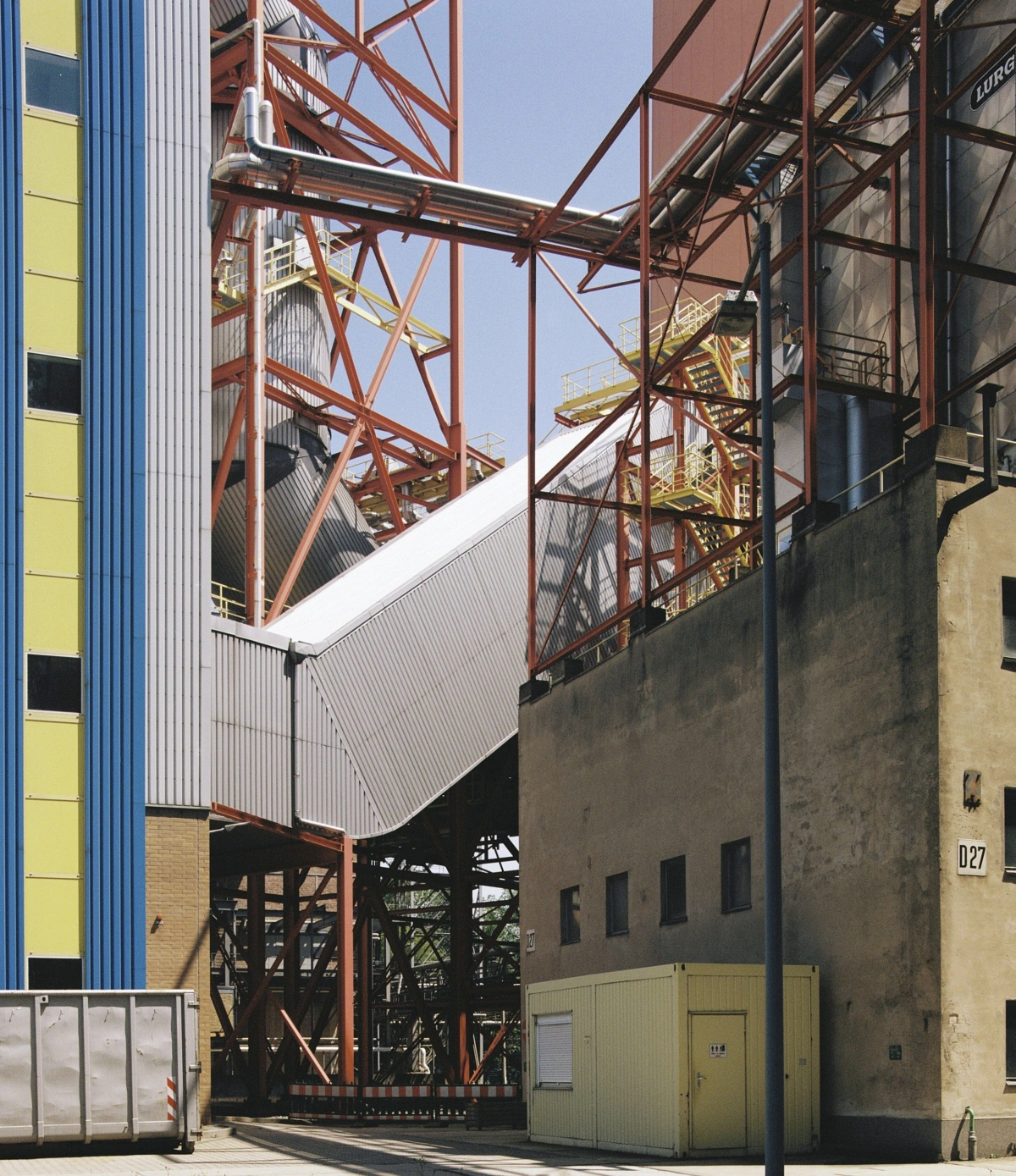
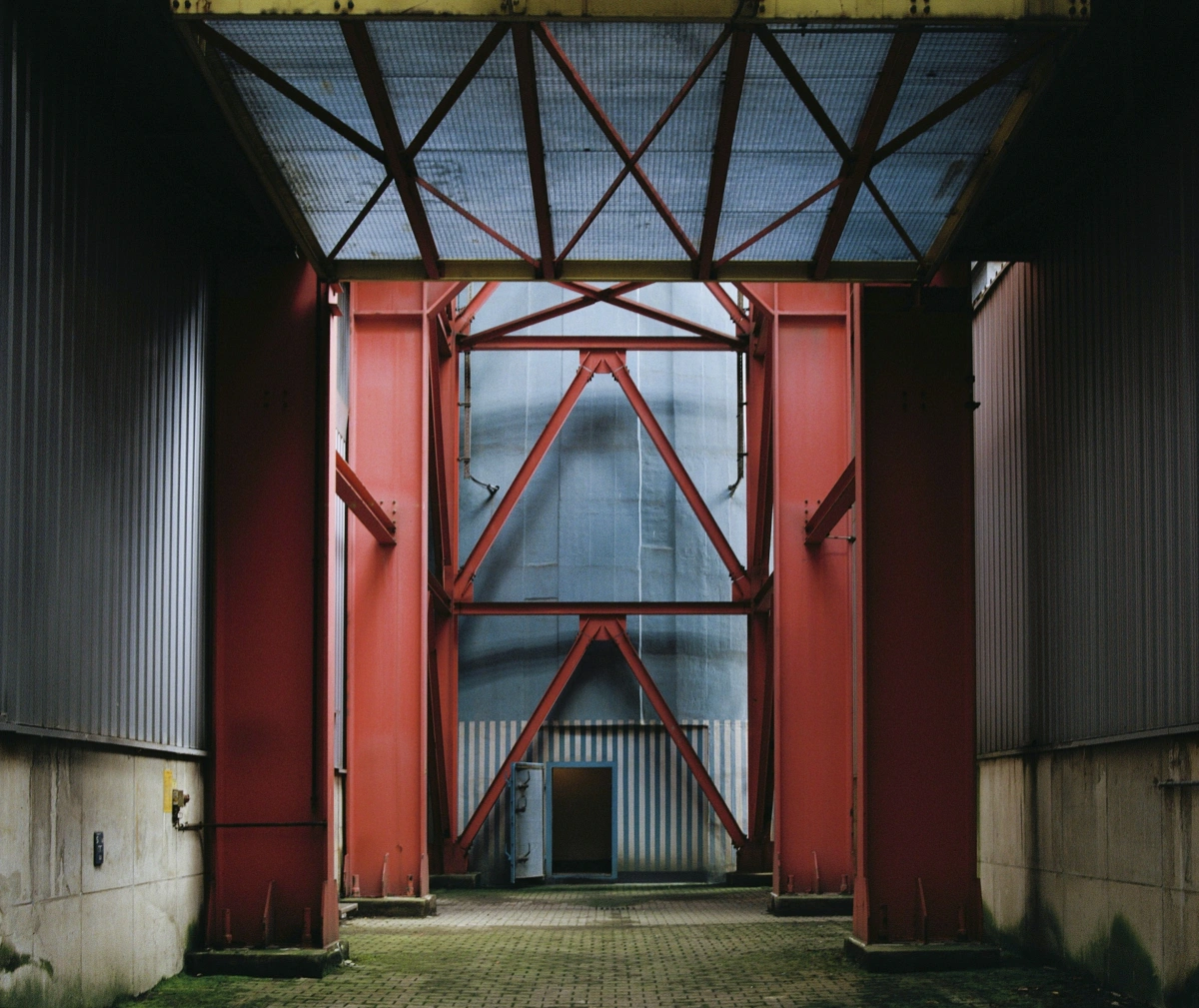
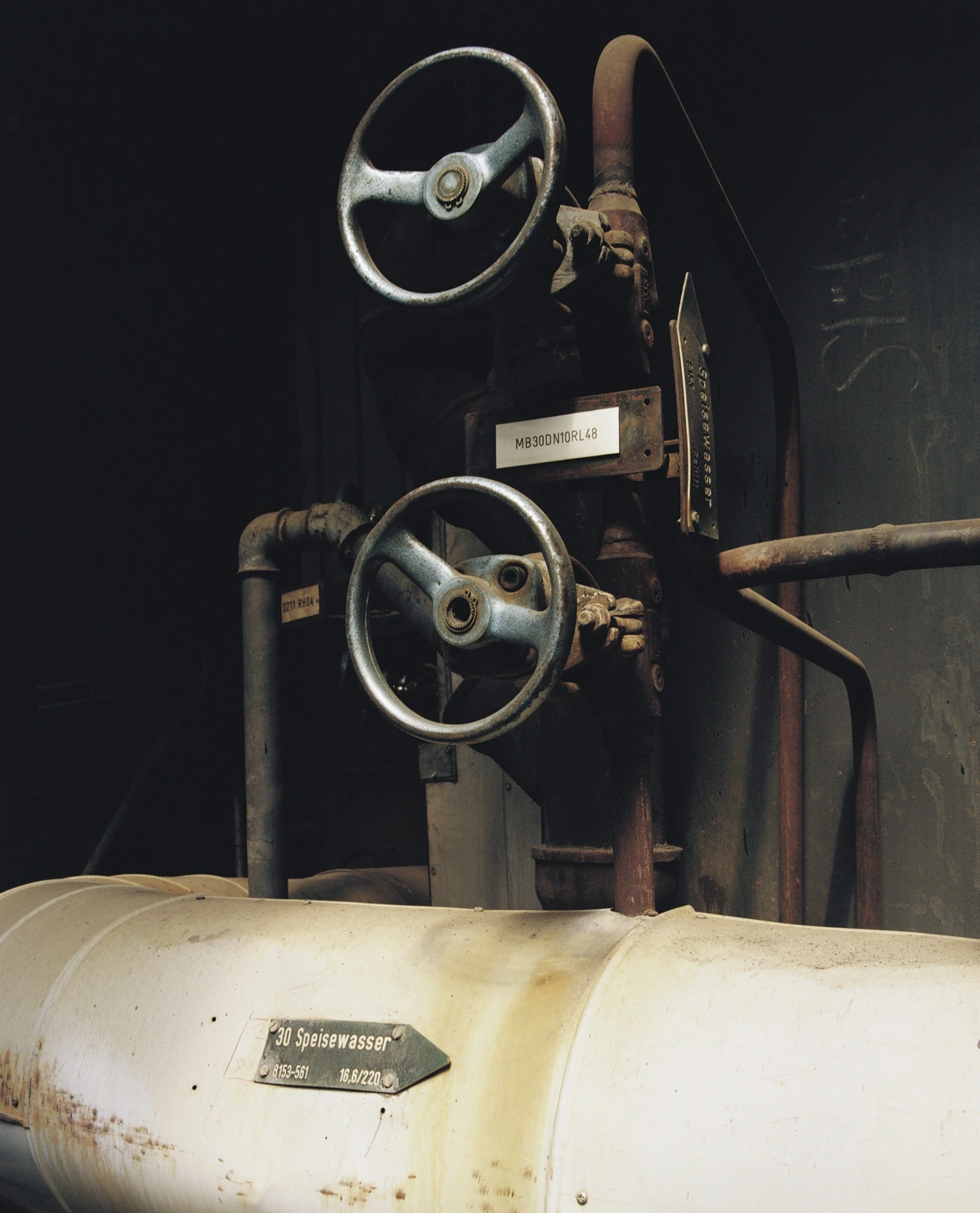
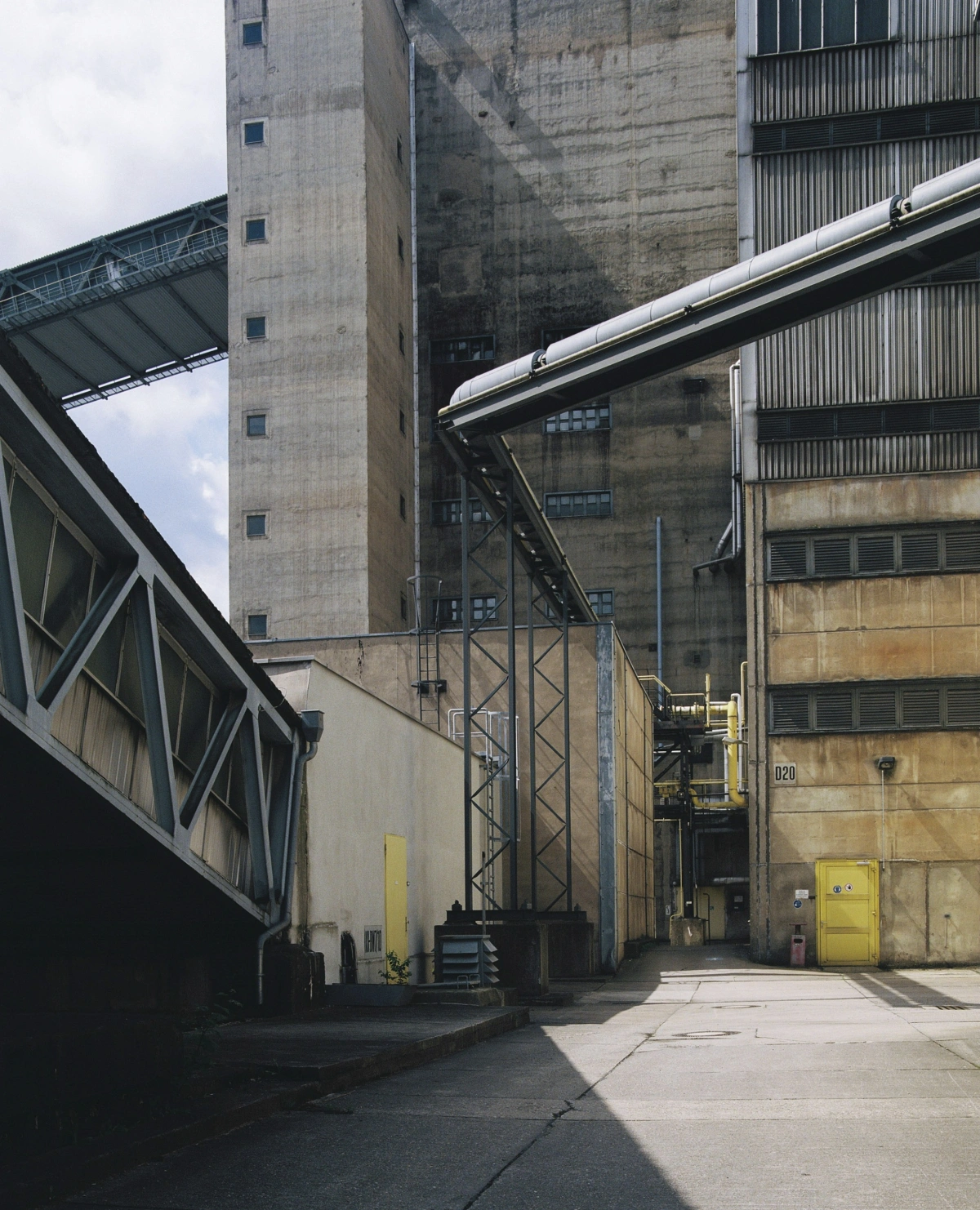
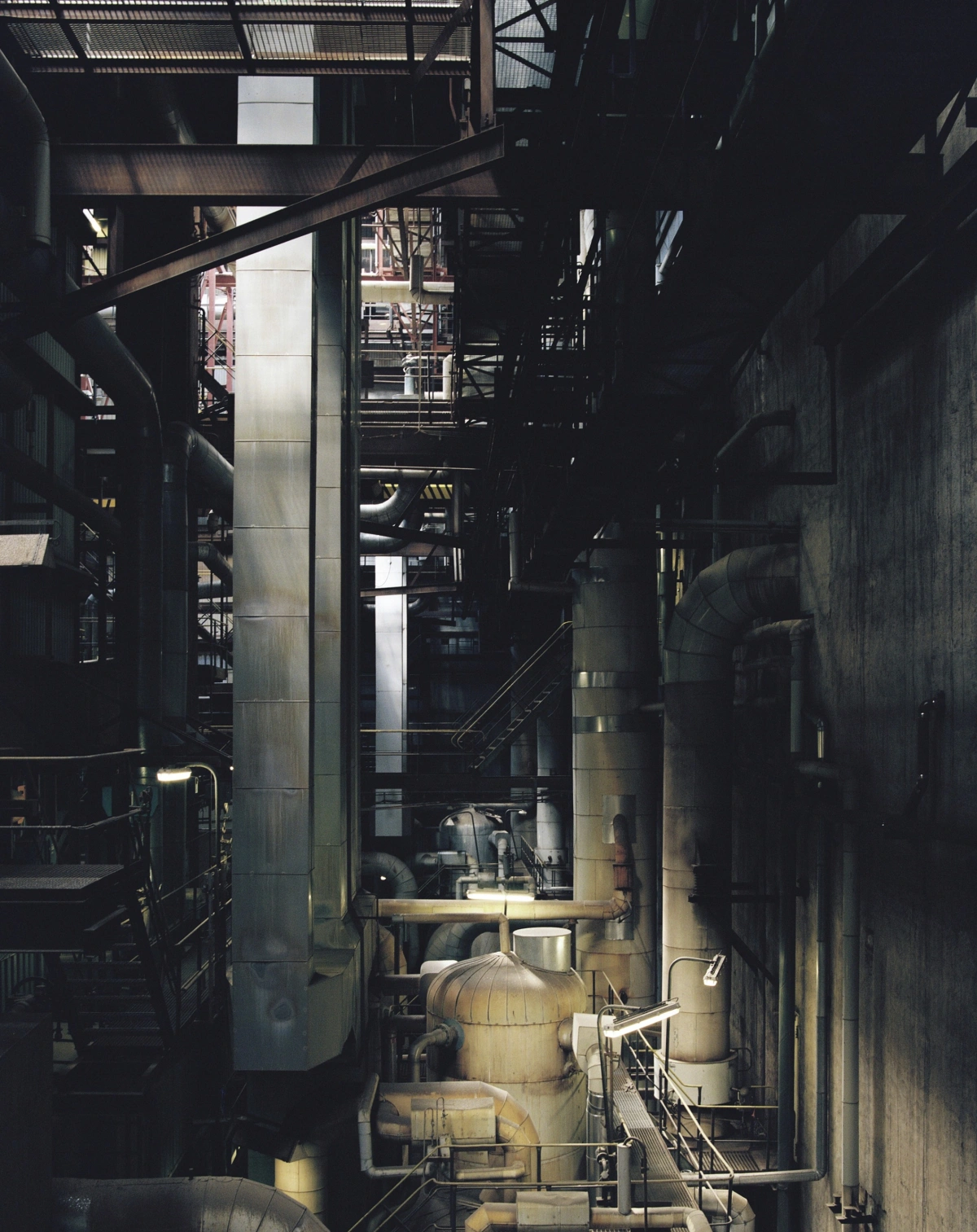
With the “shift change” on January 18, 2024, at the Nord II lignite-fired power plant in Chemnitz, a defining era in the region’s energy supply came to an end, and the colorful chimney designed by Daniel Buren lost its technical purpose. As part of the vision for a cultural repurposing of the former power plant site, the exhibition “Schichtwechsel” at the base of the chimney breathes new life into the structure. A few months after the site was decommissioned, I photographed the power plant’s technical equipment and buildings and, together with Berlin-based artist Steffen Seeger, created an artistic installation inside the smokestack. Visits are only possible as part of a guided tour, by request.

01 From the Series: Black Gold, Heizkraftwerk Chemnitz, 2024

02 From the Series: Black Gold, Heizkraftwerk Chemnitz, 2024

03 From the Series: Black Gold, Heizkraftwerk Chemnitz, 2024

04 From the Series: Black Gold, Heizkraftwerk Chemnitz, 2024

05 From the Series: Black Gold, Heizkraftwerk Chemnitz, 2024

06 From the Series: Black Gold, Heizkraftwerk Chemnitz, 2024

Series of 13 C-Prints, 70 x 60 cm, framed behind glass, 1 C-Print behind acrylic, 130 x 110 cm, 3 C-Prints, 24 x 30 cm,
1 photography by Lucia Moholy, 1 photography by Benjamin Subtil

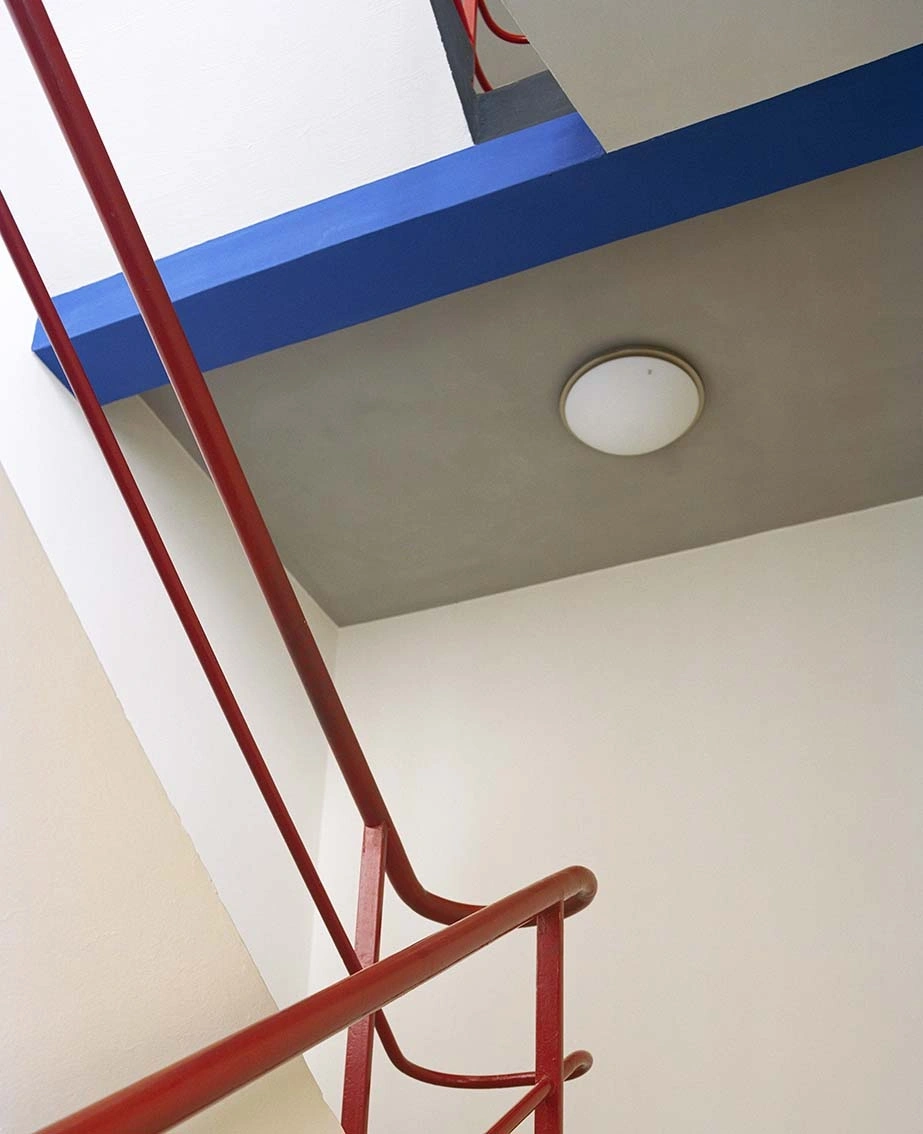
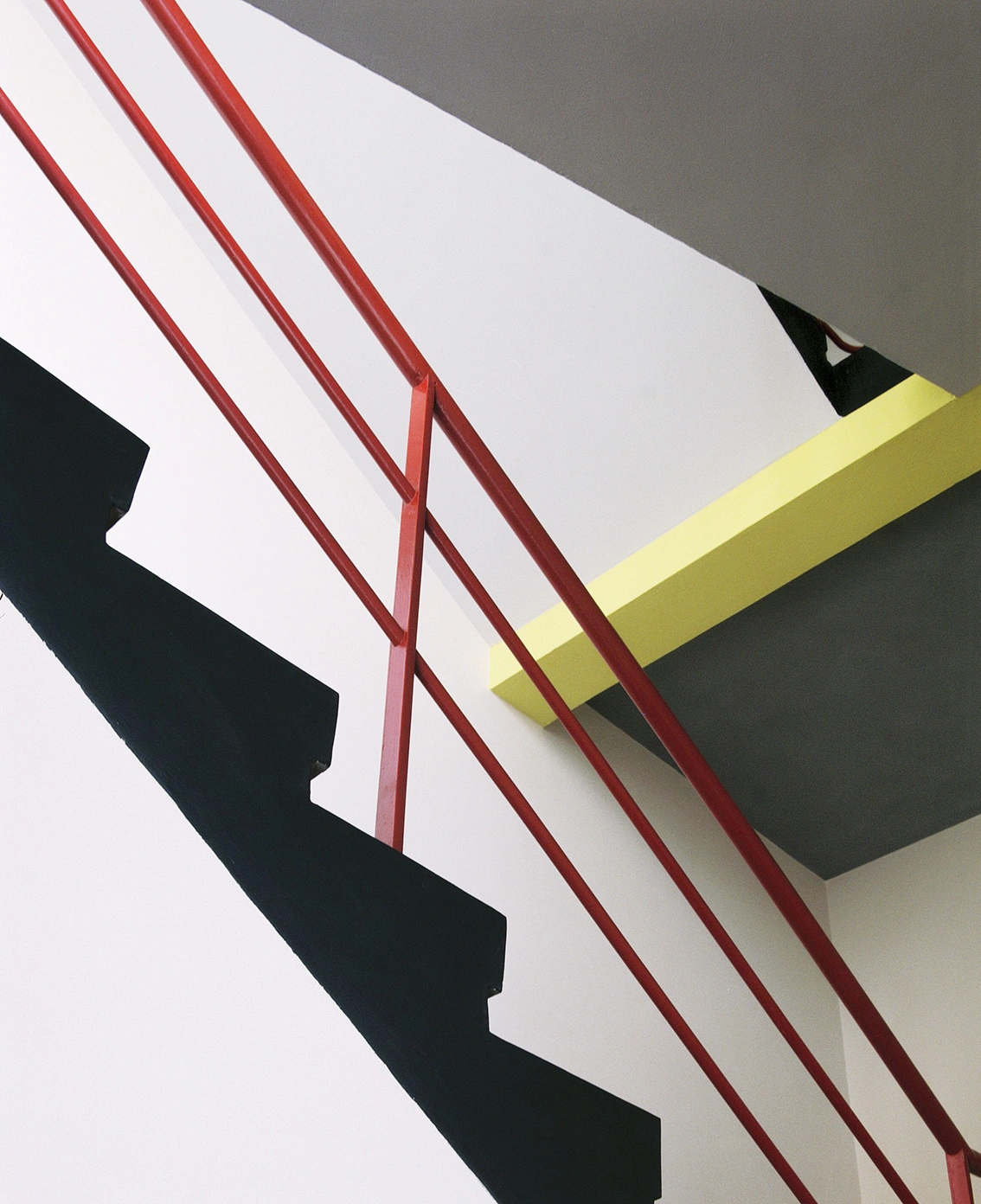
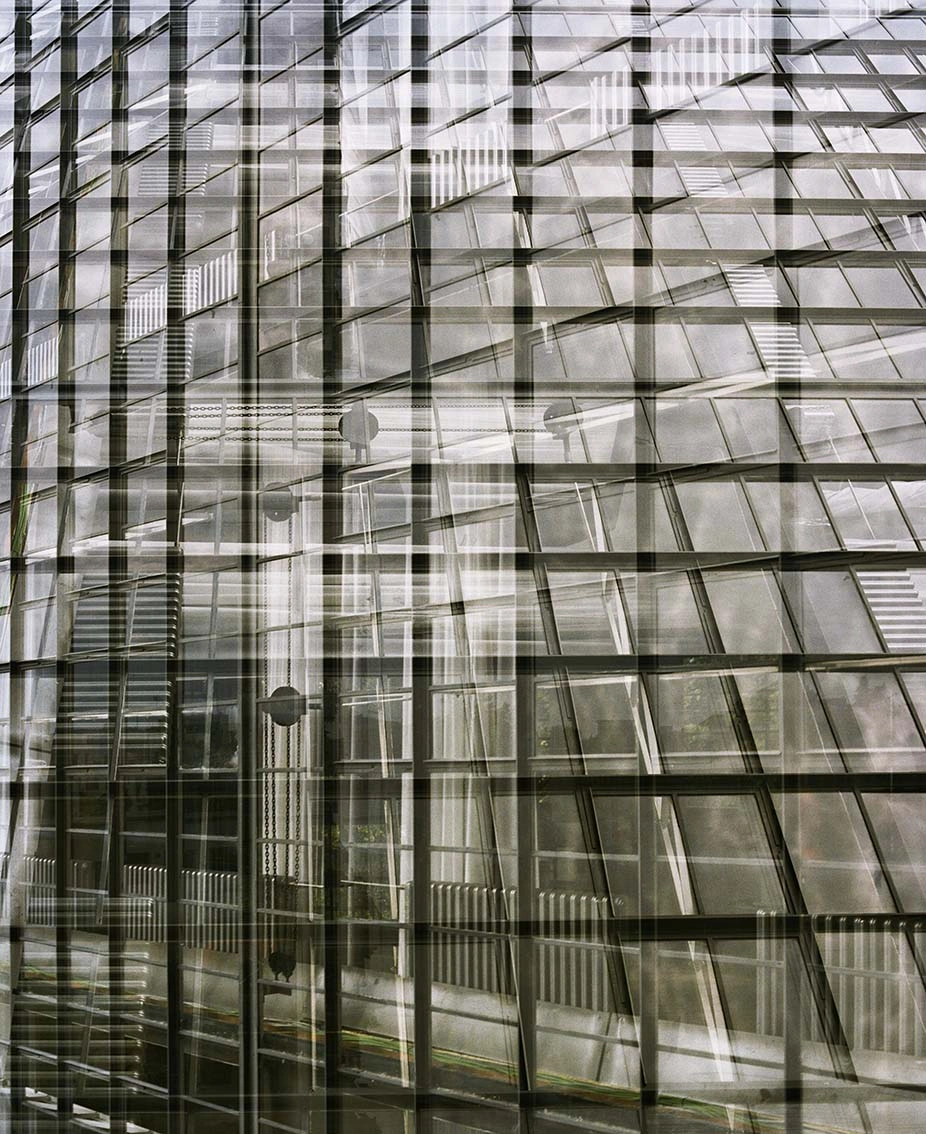
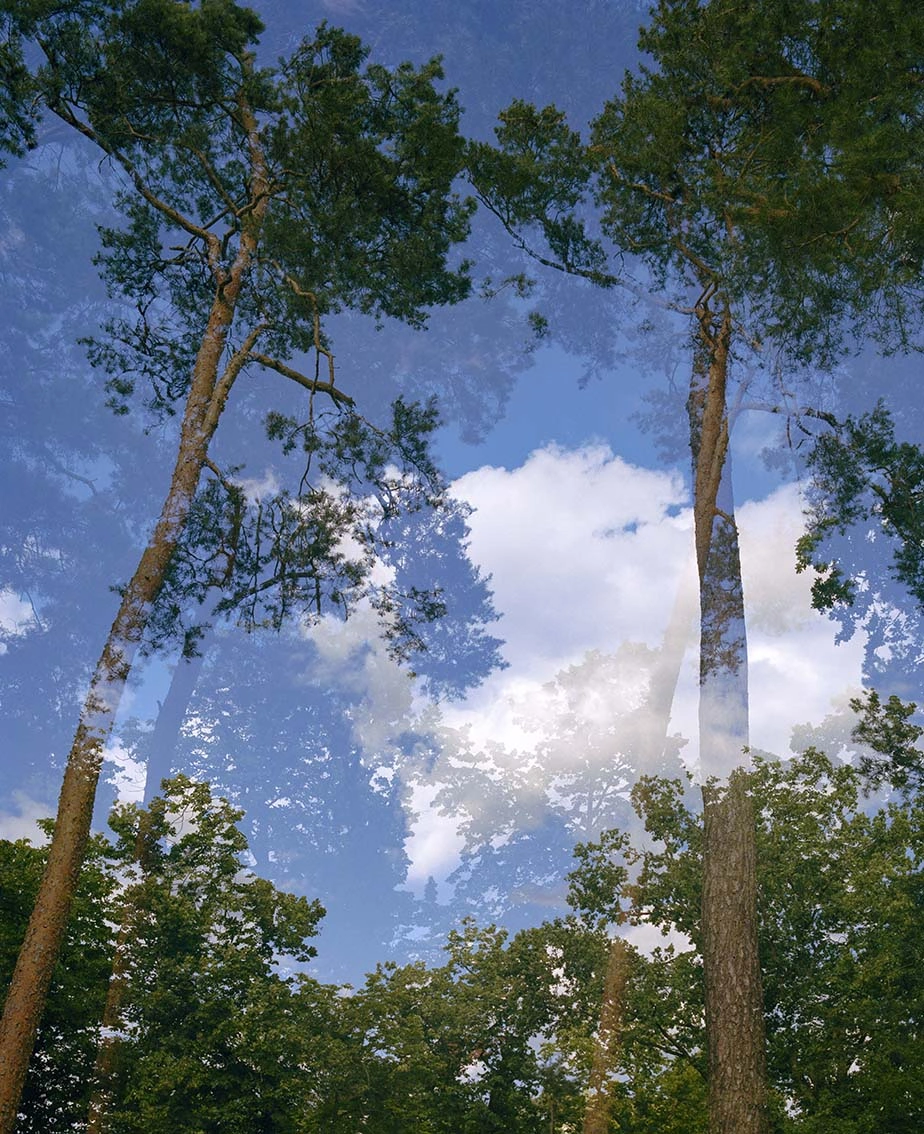
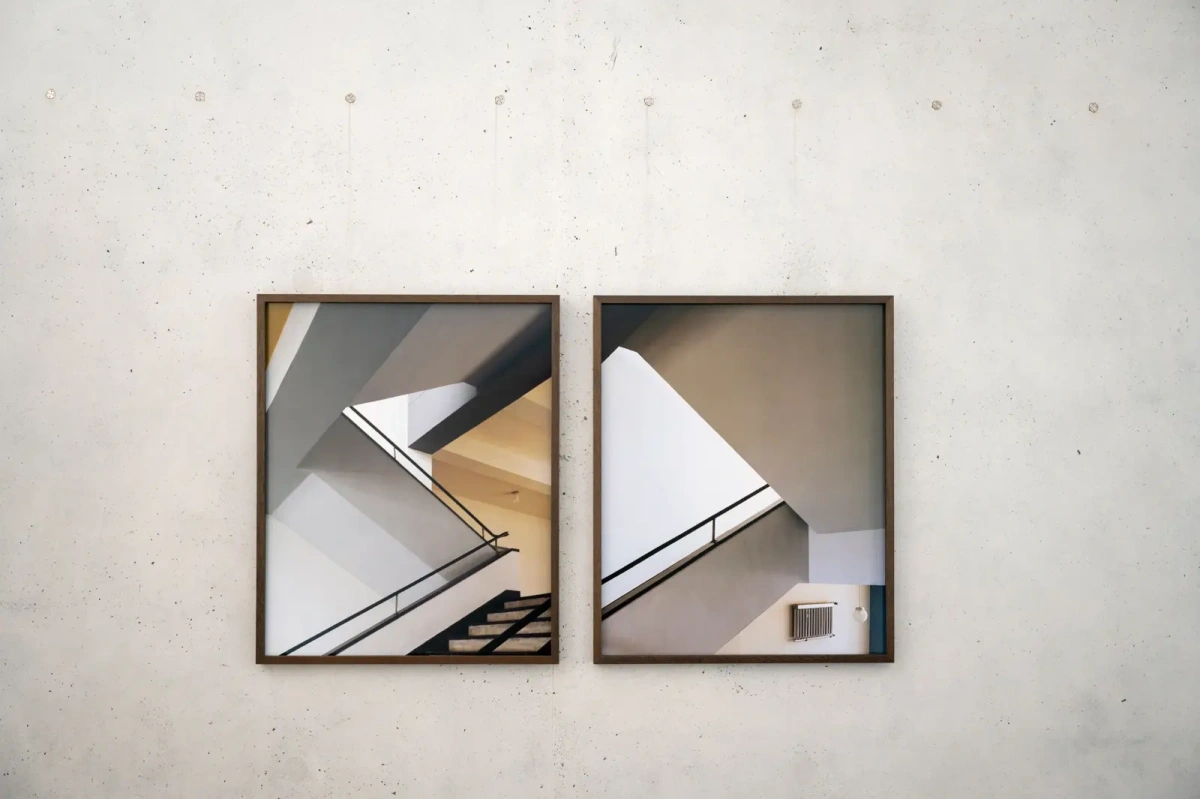
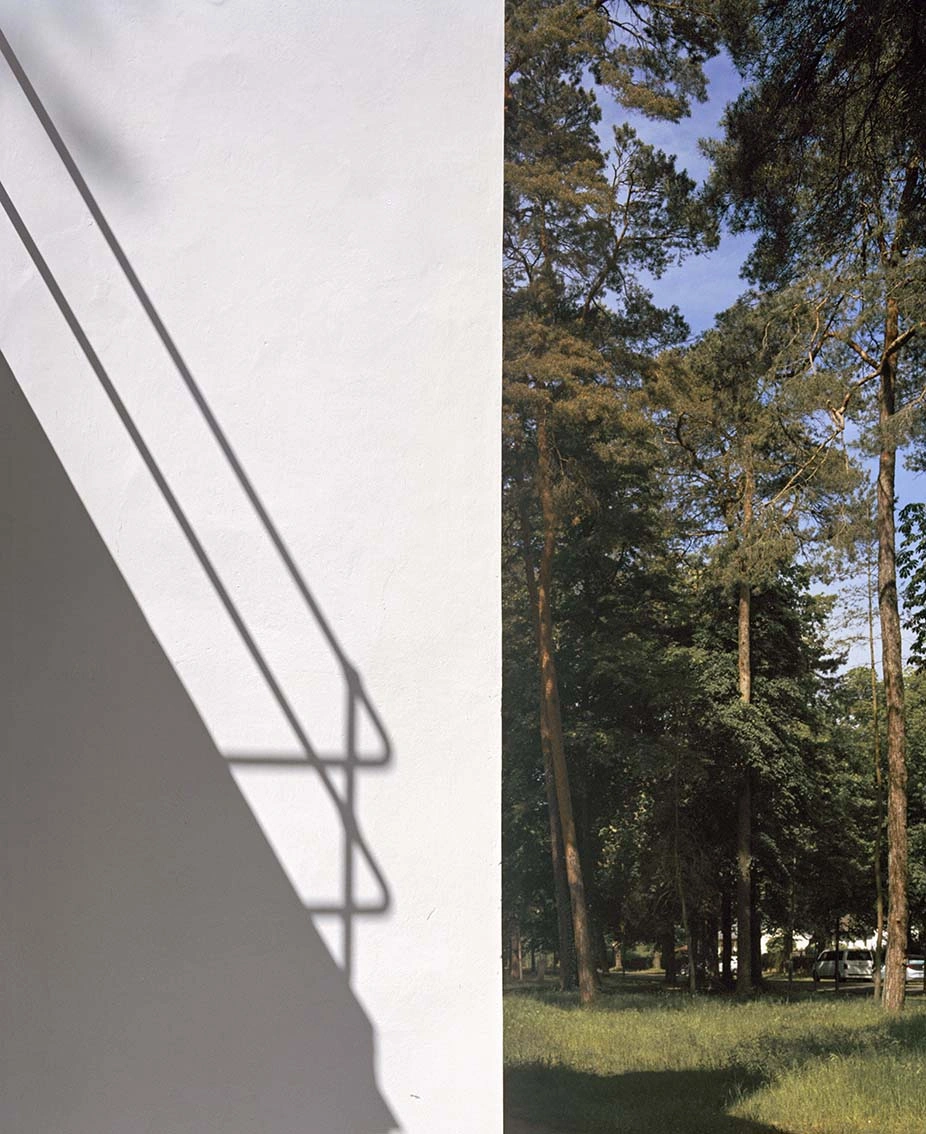
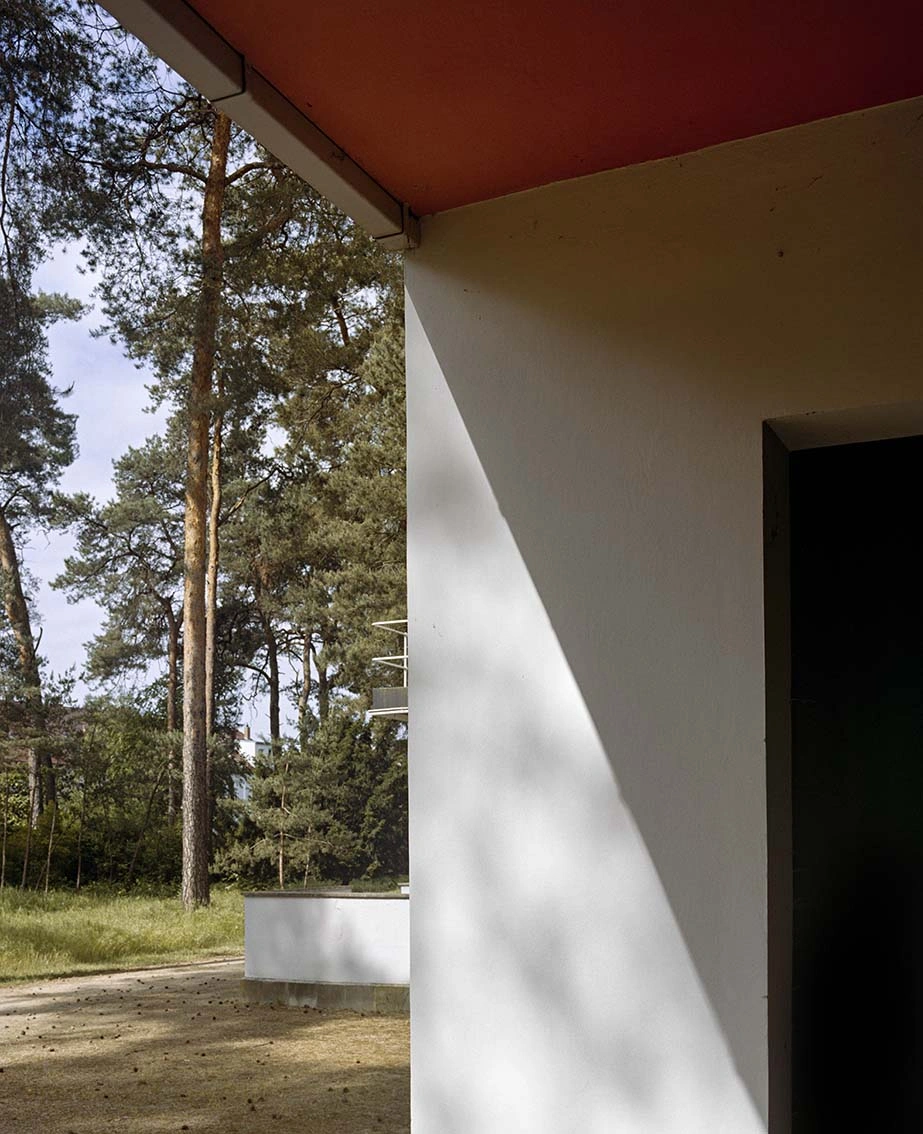
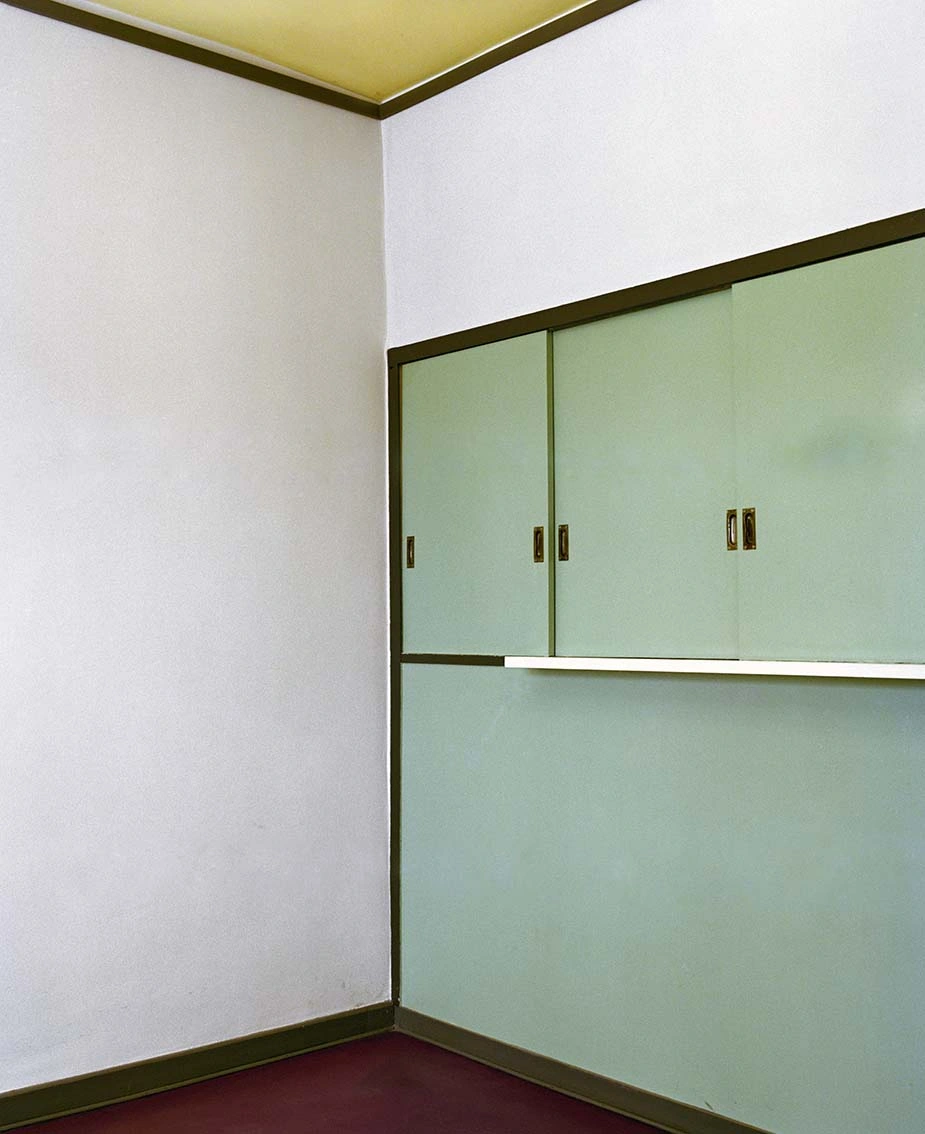
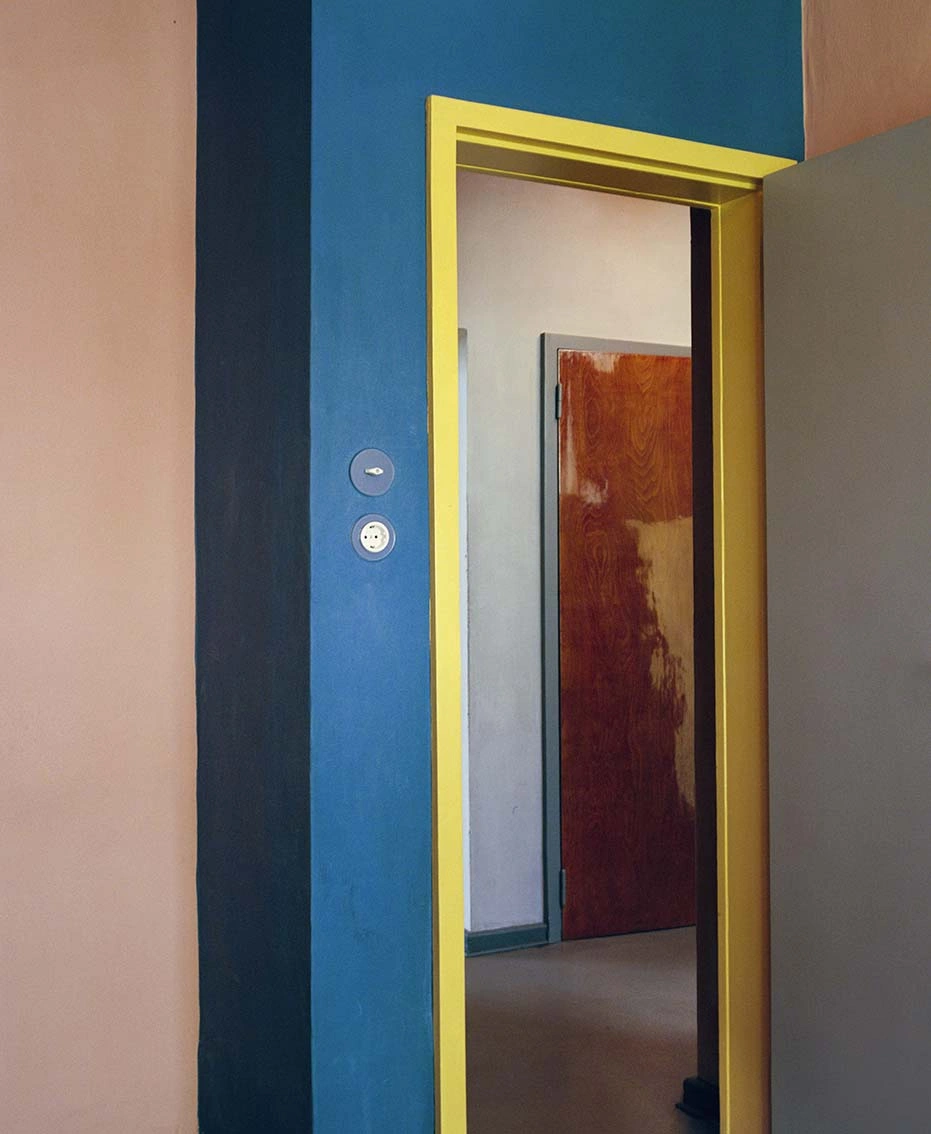
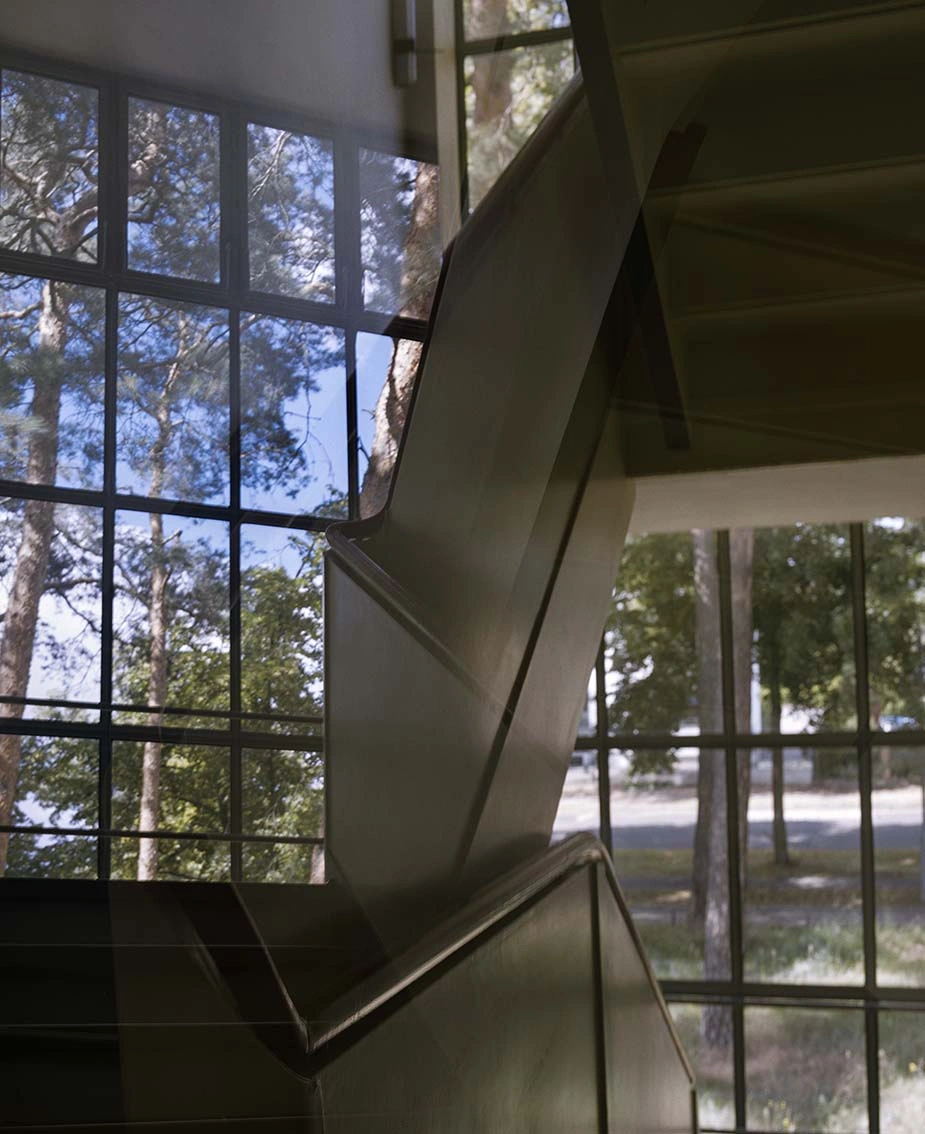
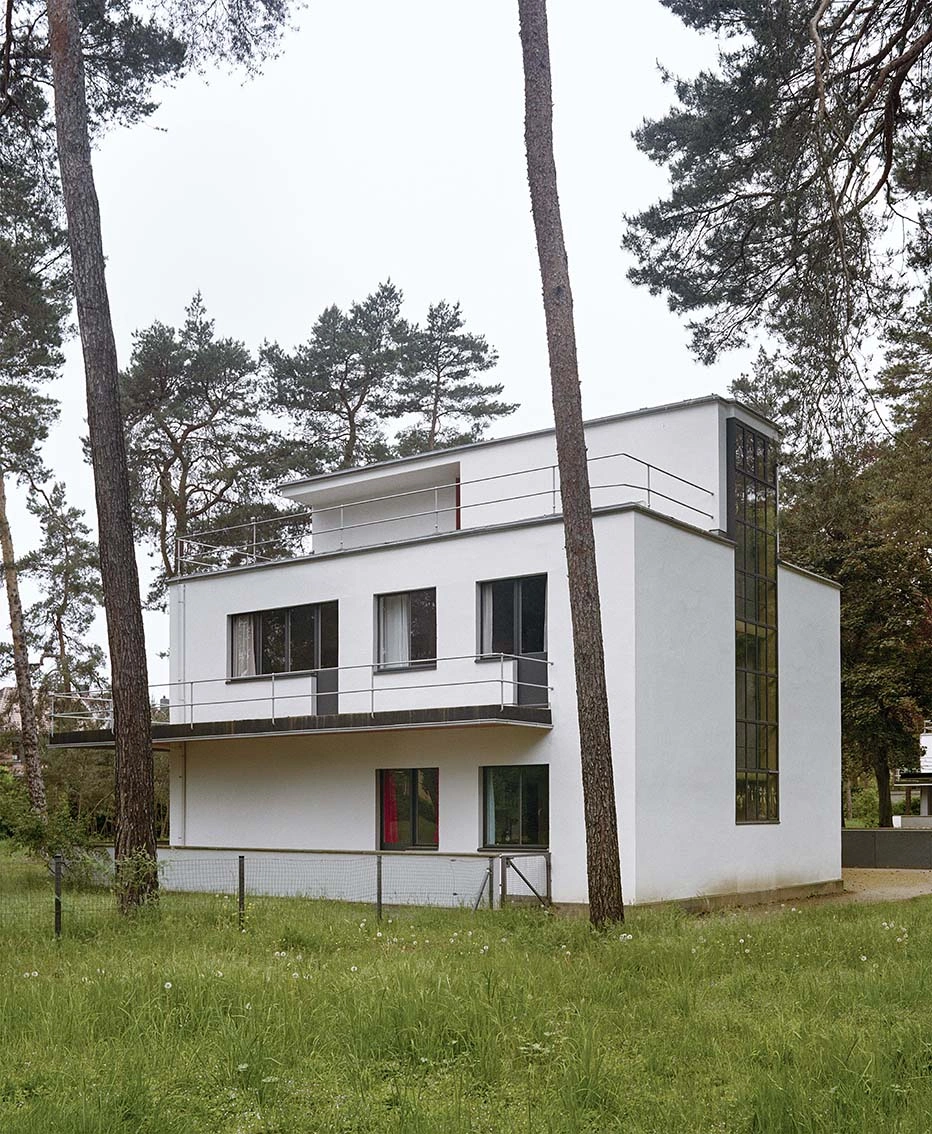
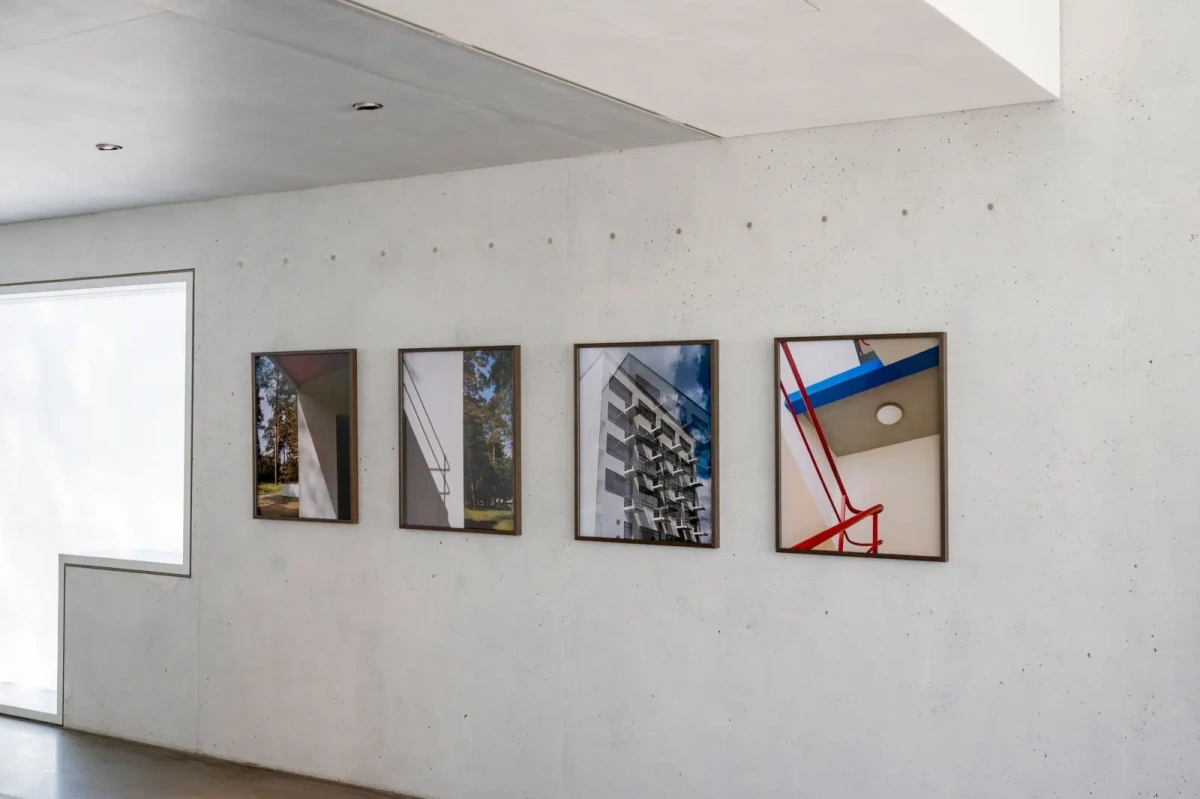
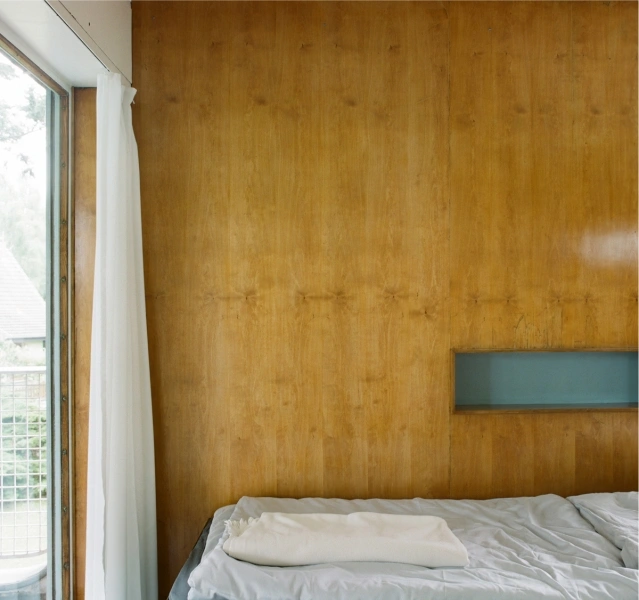
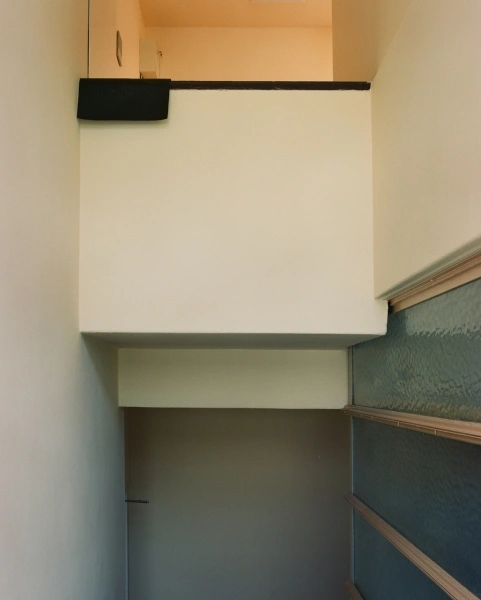
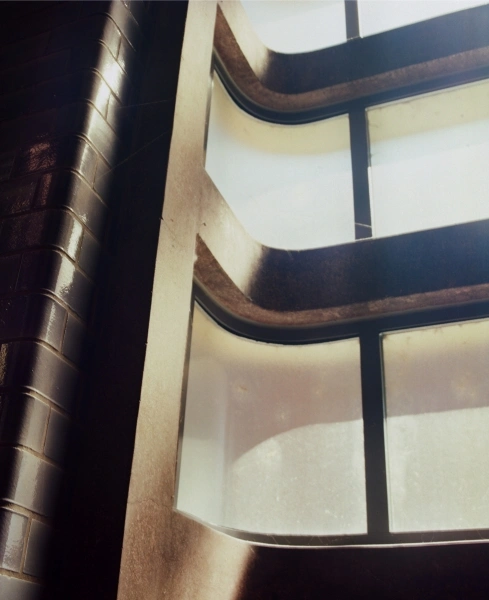
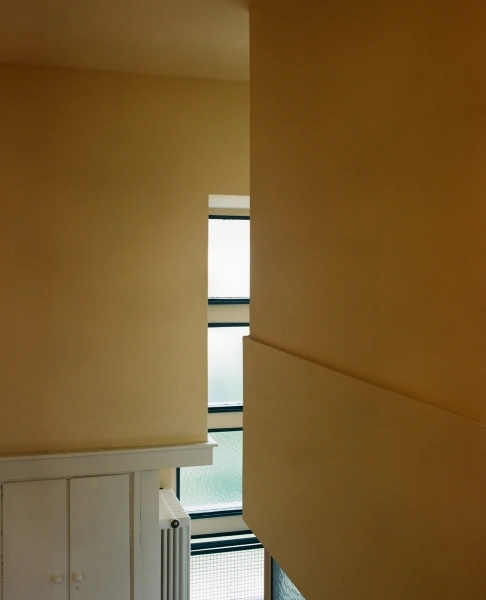
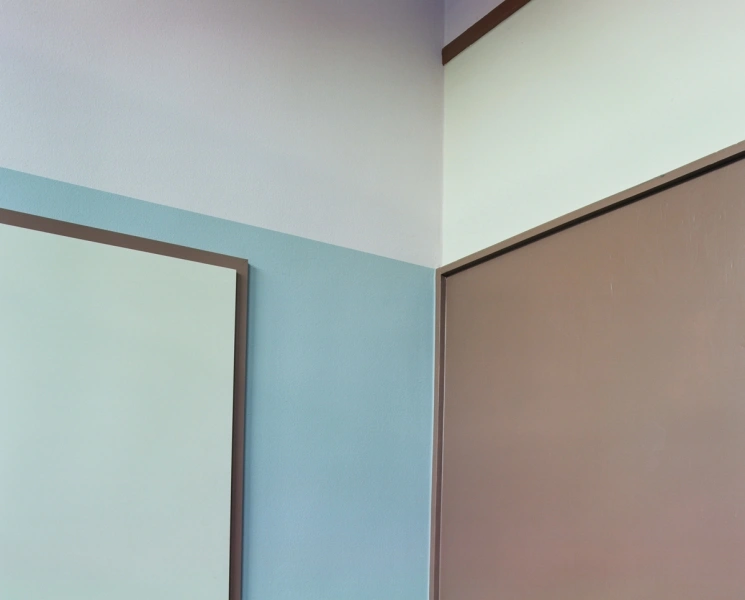
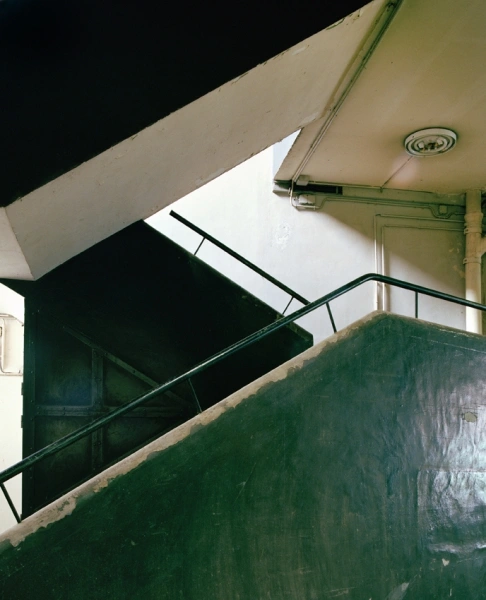
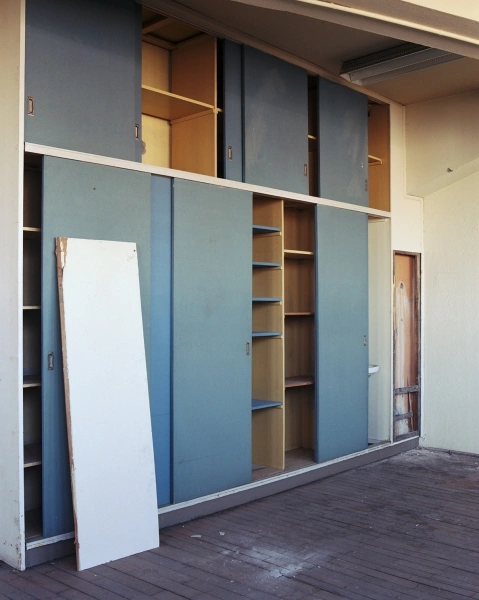
Margret Hoppe was a resident artist at the Bauhaus Dessau Foundation in 2024. The conceptual starting point of her photographic work was the examination of duplications. In addition to the Muche | Schlemmer House – where the artists in residence live and work – two reference images of the Masters’ Houses form the framework: a photograph by Lucia Moholy and a two-part image by photographer Benjamin Subtil. In correspondence with the Masters’ Houses, in each of which one half of the building is rotated 90 degrees, Hoppe has also rotated the back of the camera 90 degrees, creating double exposures. In her twelve-part series, Hoppe forms pairs. This happens through the double exposure in the pictures themselves or through similarities and neighbourhoods between the shots. At the same time, these pairs are repeatedly uncoupled by single images (unpair).

Text by Barbara Steiner, director Bauhaus Dessau Foundation

This series was created during a residency at House Muche, Bauhaus Dessau Foundation, supported by Dessau Masters’ Houses Foundation

01 Staircase and Heating, Bauhaus Building, Dessau, 2024, C-Print, 70 x 60 cm

02 Staircase II, Bauhaus Dessau, 2024, c-print, 30 x 24 cm

03 Windows, Bauhaus Building, Dessau, 2024, C-Print hinter Acrylglas, 130 x 110 cm

04 Staircase I, Bauhaus Dessau, 2024, c-print, 30 x 24 cm

05 Pine Trees, Dessau, 2024, C-Print, 70 x 60 cm

06 Stairs, Prellerhouse, 2024, C-Print, 70 x 60 cm

07 Exhibition View, House Gropius, Bauhaus Dessau Foundation, 2025

08 Facade and Shadow II, Dessau, 2024, C-Print, 70 x 60 cm

09 Facade and Shadow I, Dessau, 2024, C-Print, 70 x 60 cm

10 Closet, Master House, Dessau, 2024, C-Print, 70 x 60 cm

11 Door, Master House, Dessau, 2024, C-Print, 70 x 60 cm

12 Stairs, House Muche, 2024, C-Print, 70 x 60 cm

13 House Muche, Dessau, 2024, c-print, 70 x 60 cm

14 Exhibition View, House Gropius, Bauhaus Dessau Foundnation, 2025

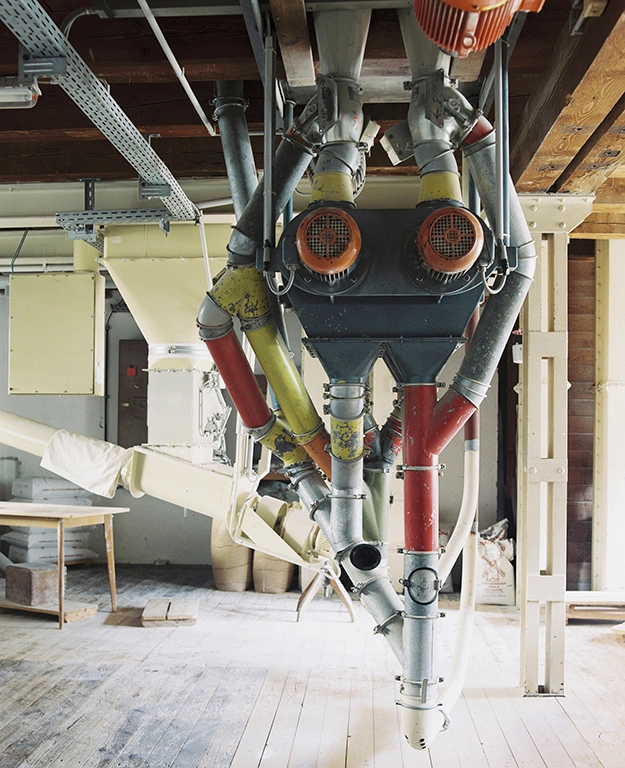
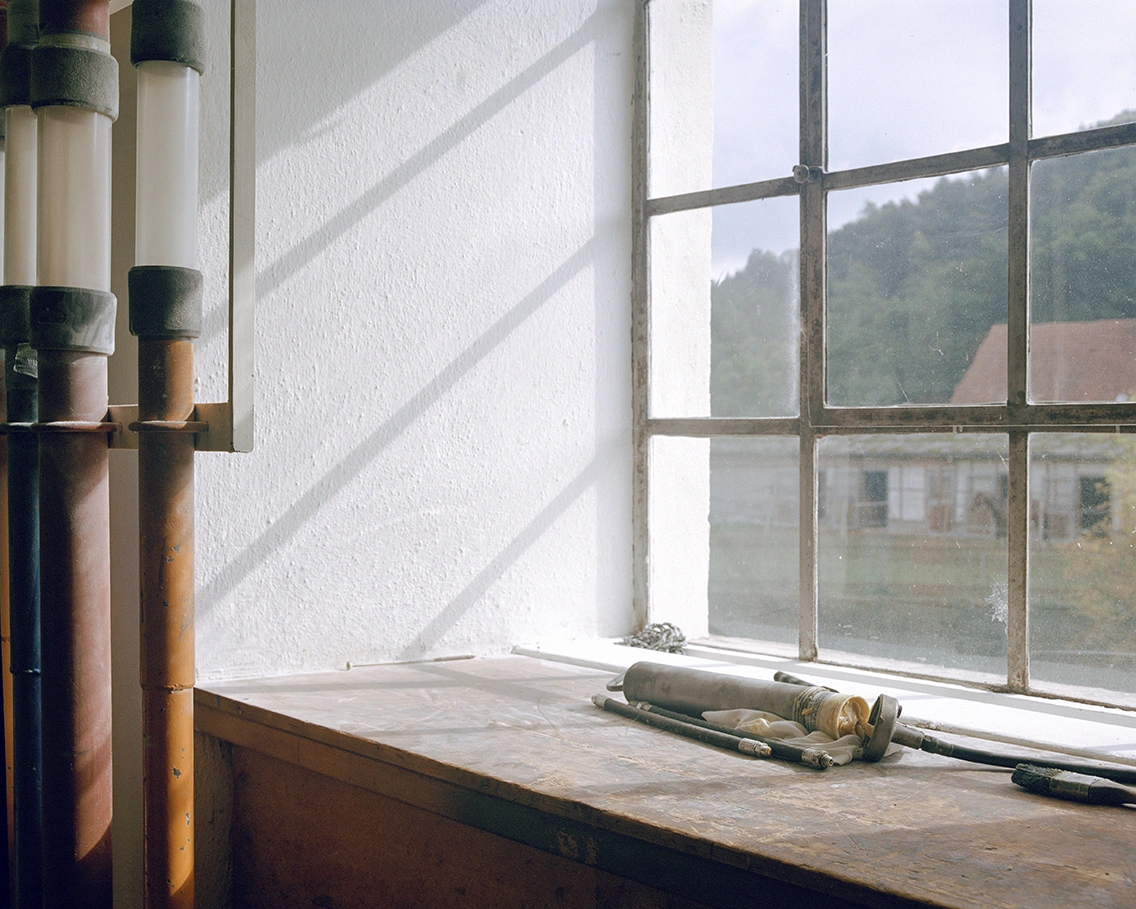
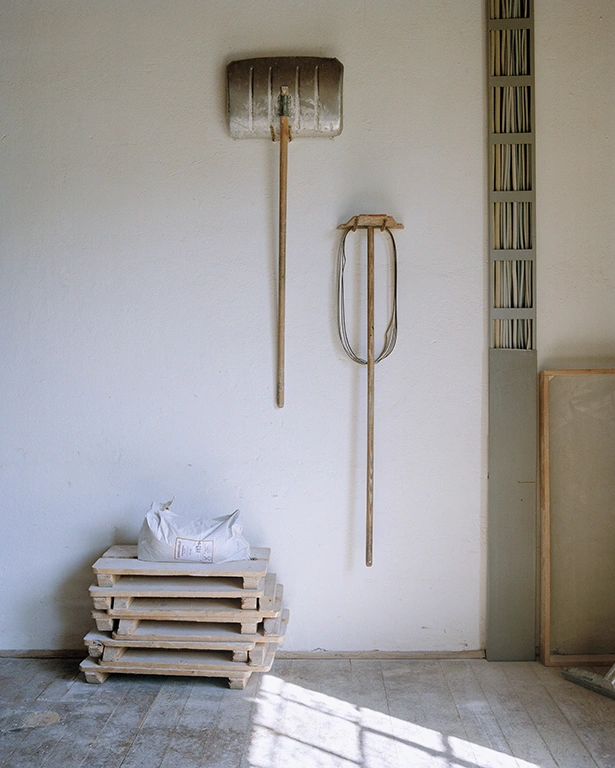
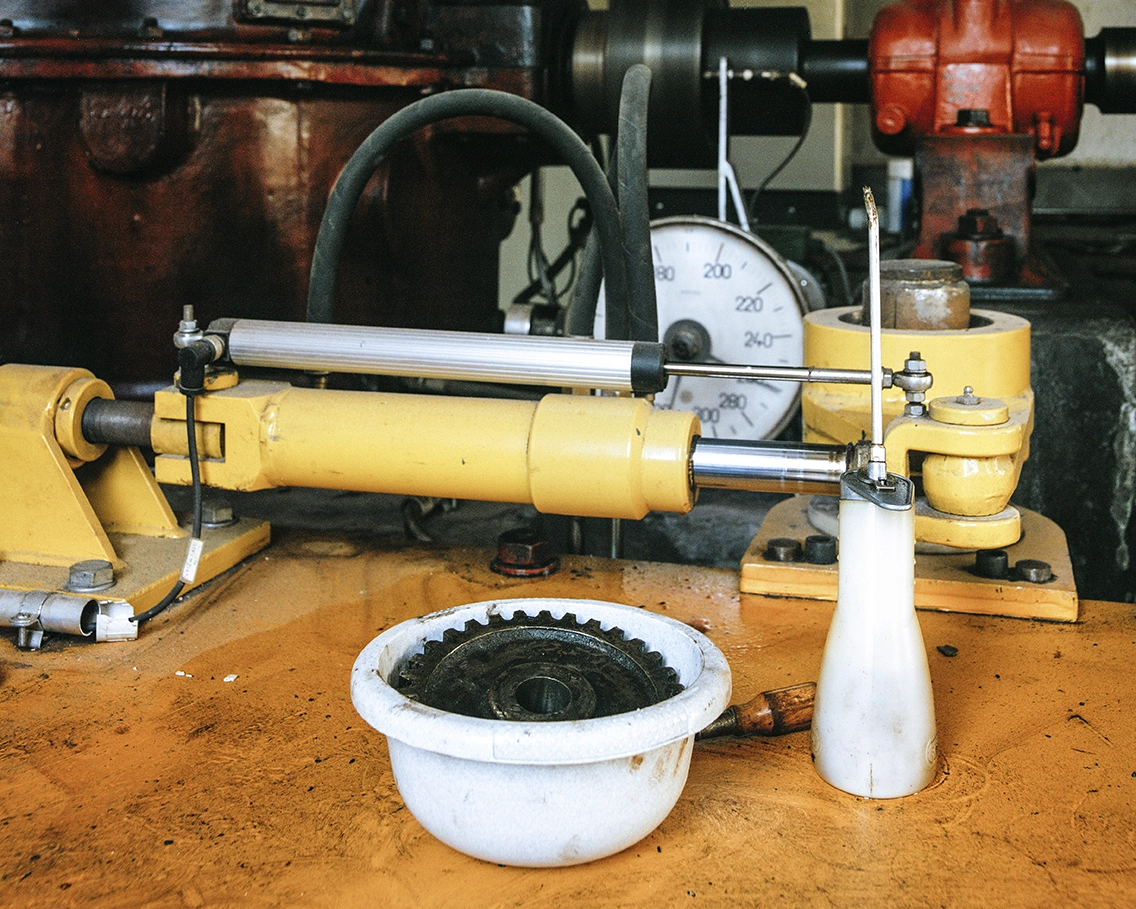
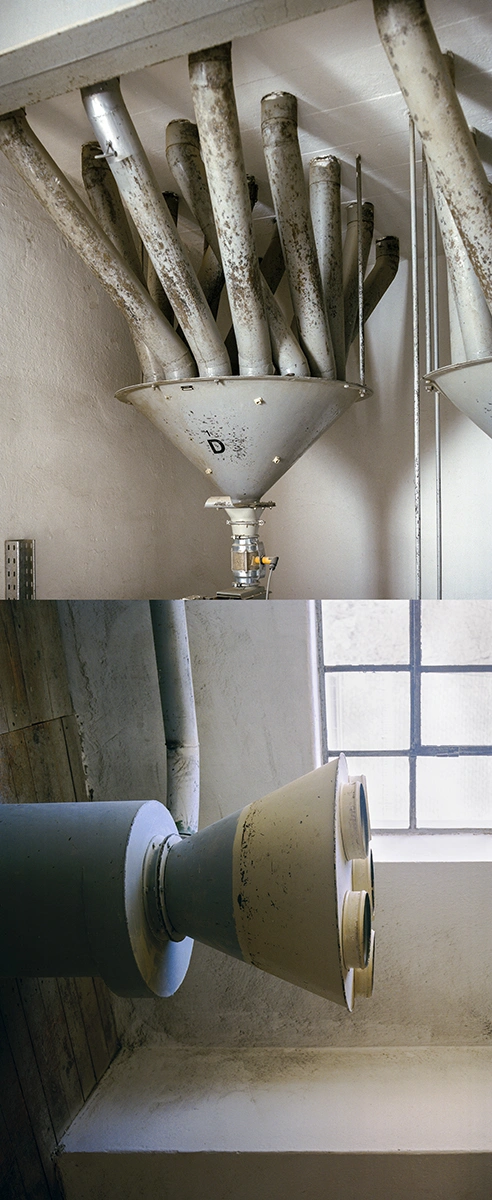
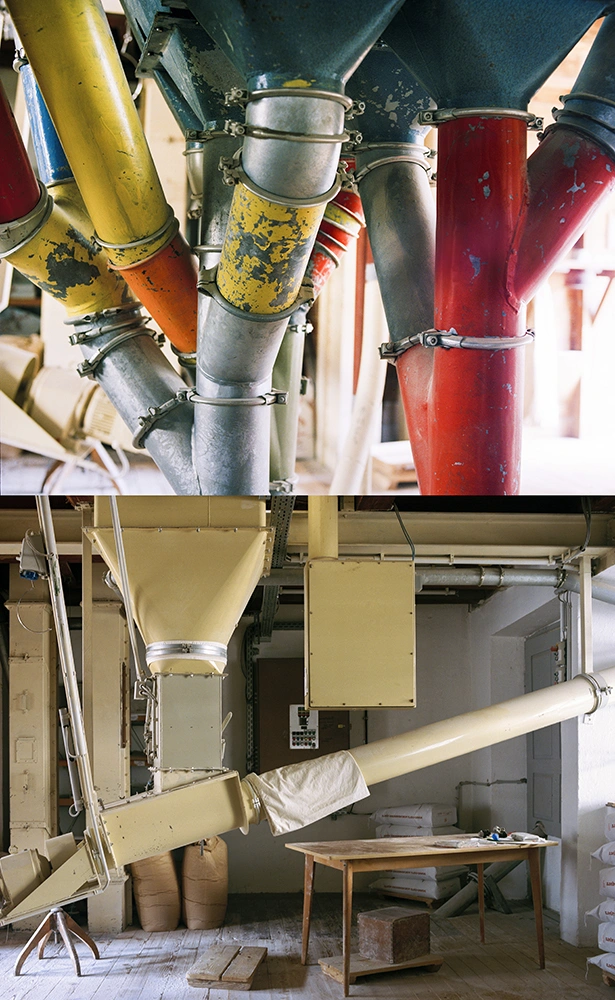
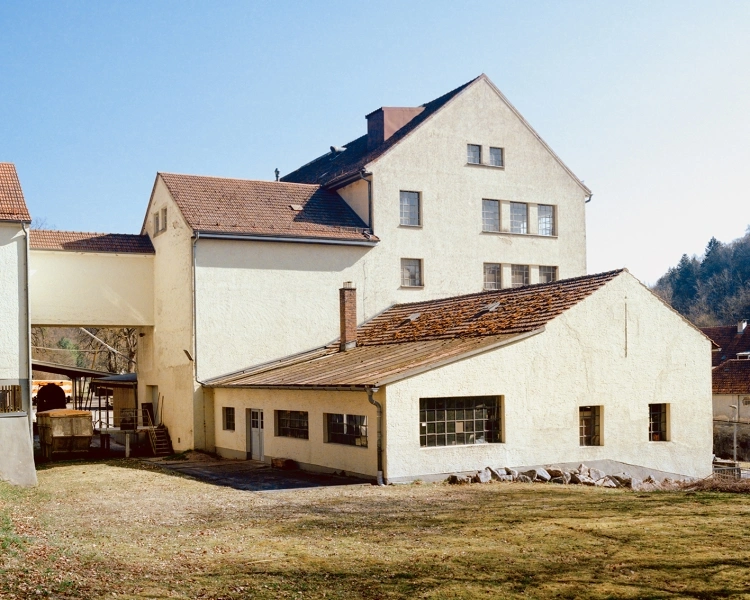
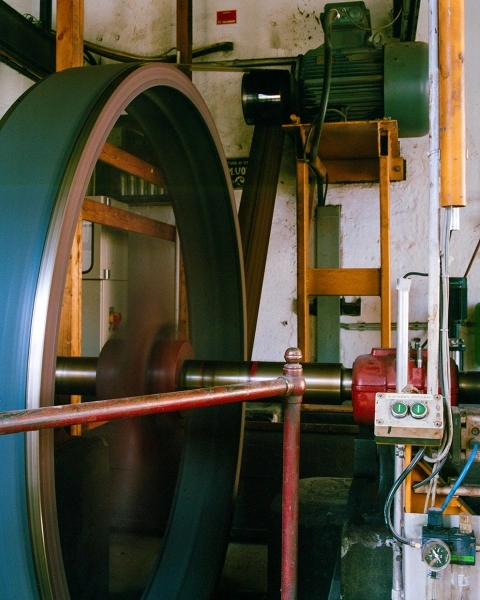
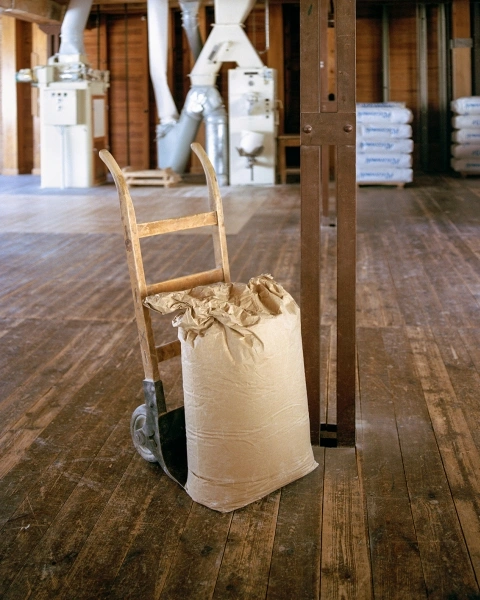
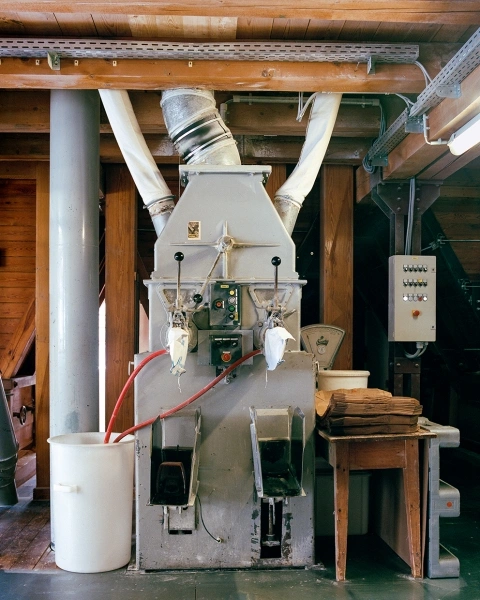
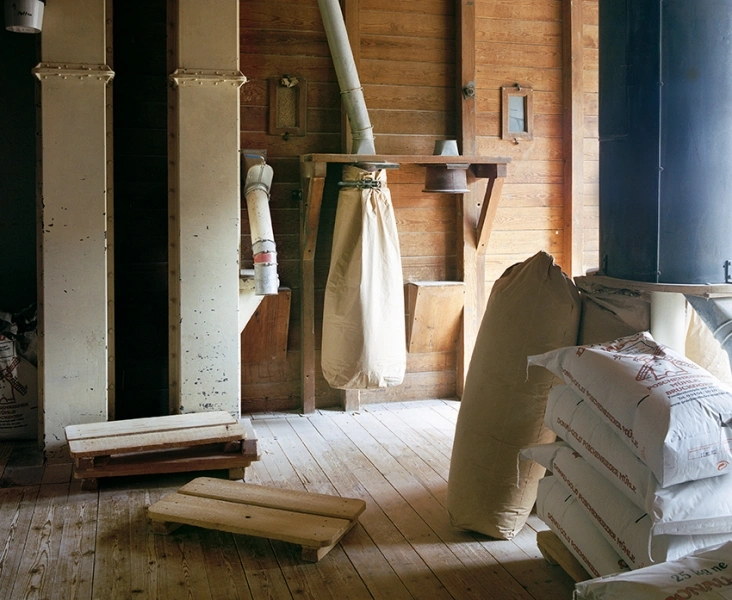
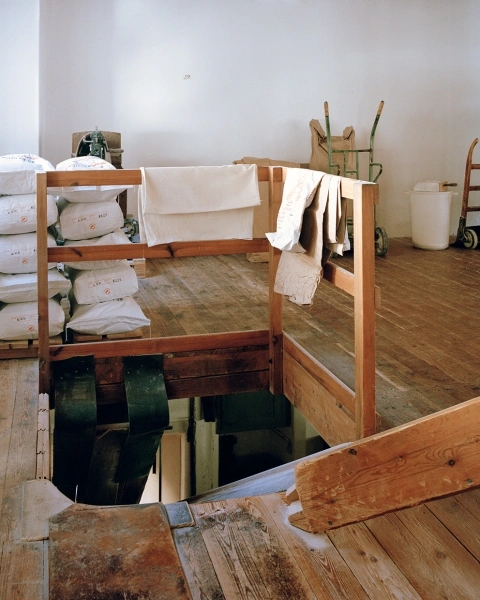
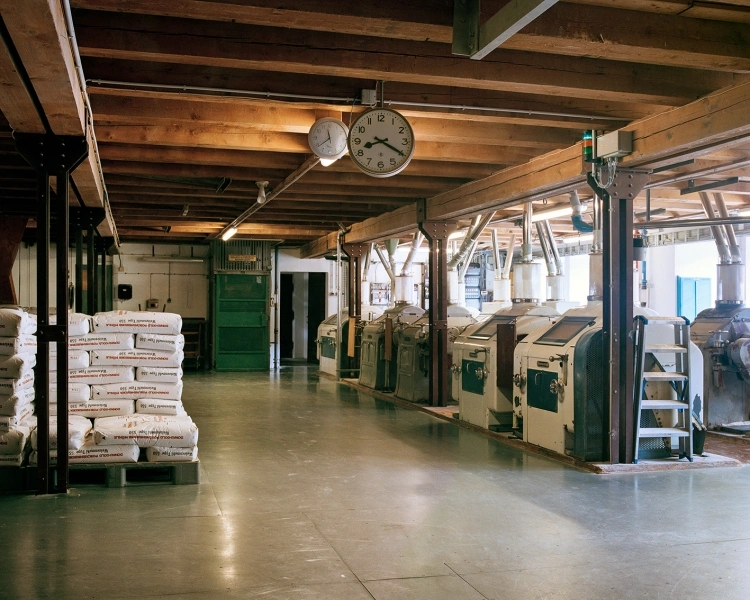
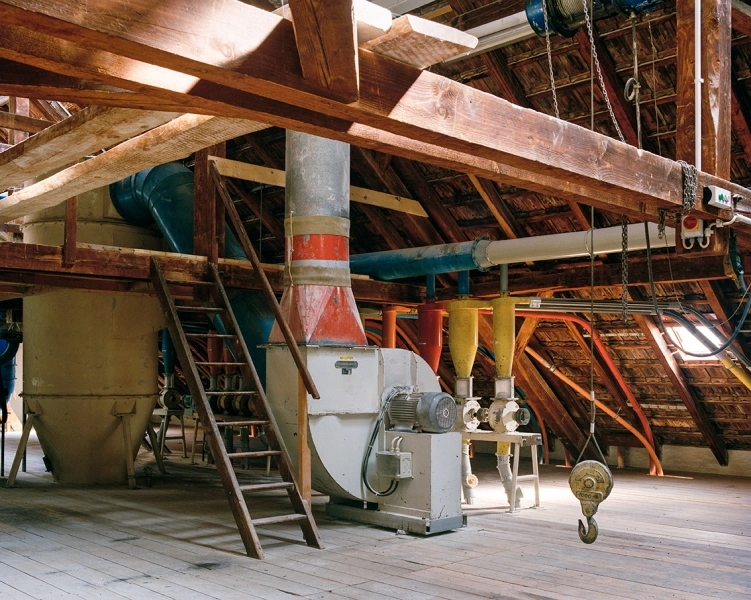
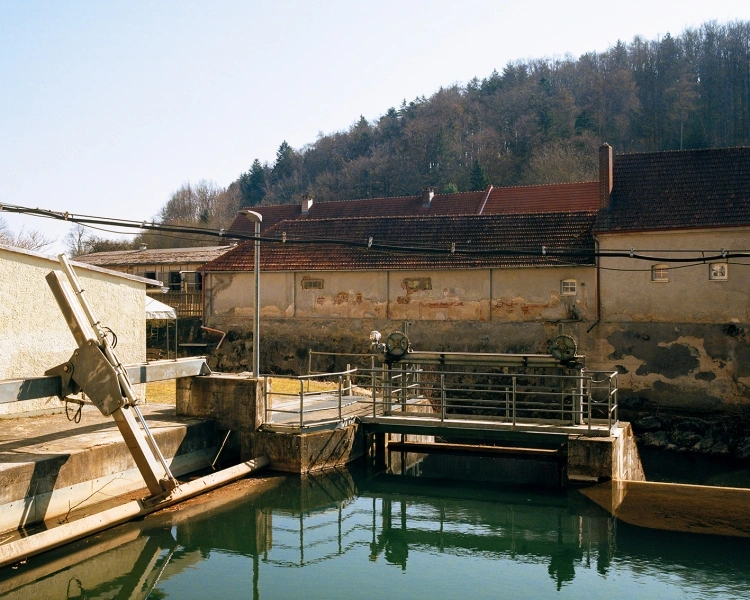
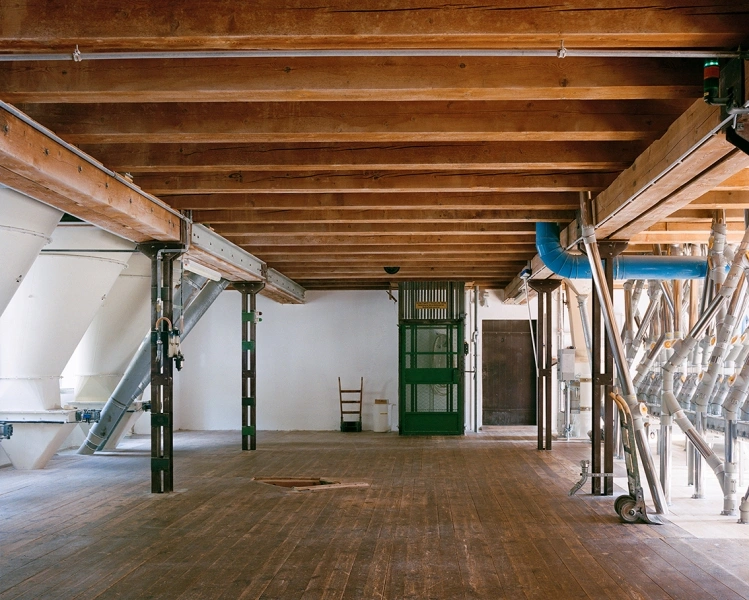
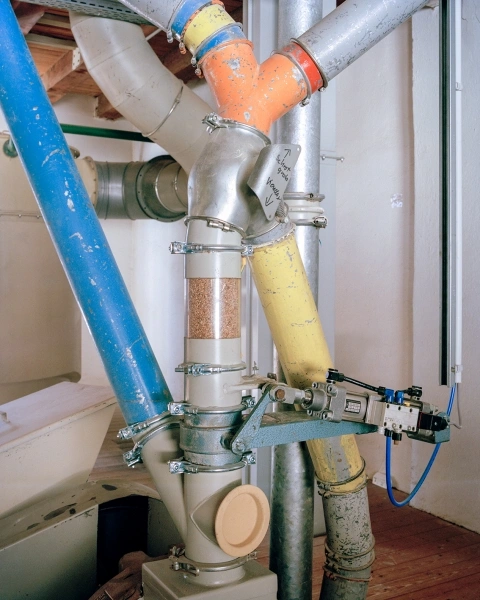
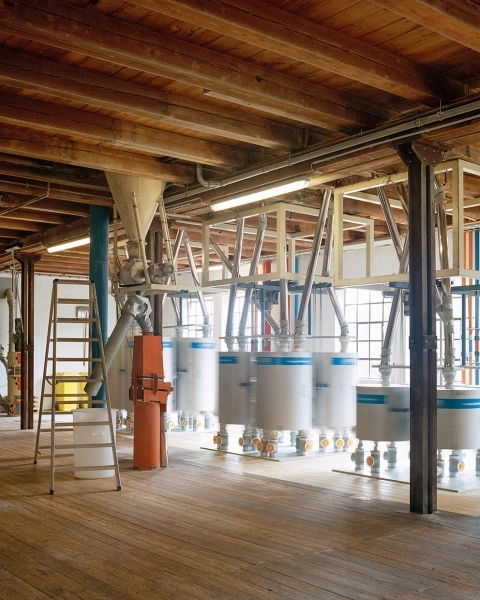
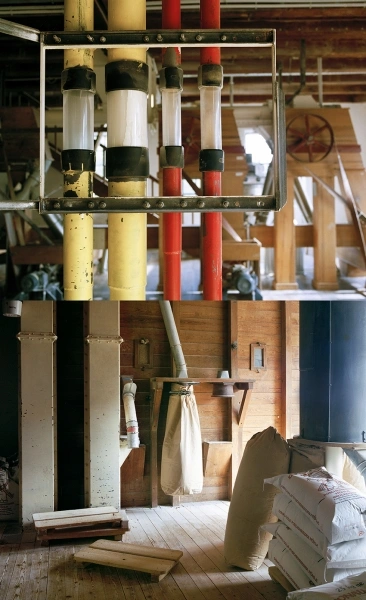
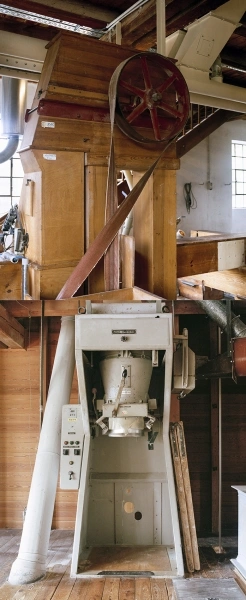
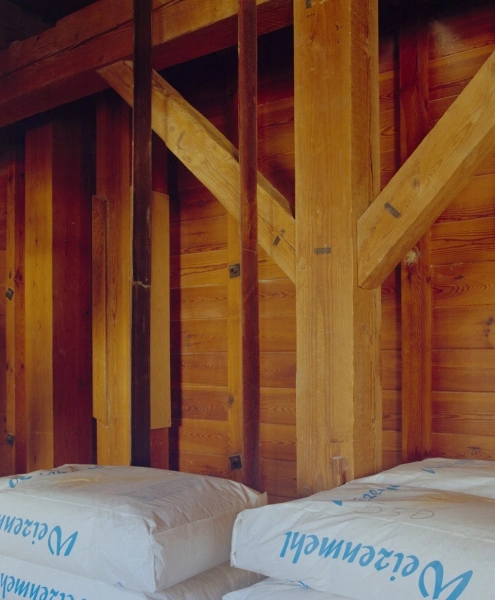
With the project "The Mill" Margret Hoppe focuses on an object that appears like a technical monument - water drive, transmission belts or handcarts suggest that. The mill, however, produces and supplies customers in the region.
Framed by the location of the mill on the watercourse of the Schwarze Laber the photographer depicts precisely the geometry of the rooms, crossed by downpipes, transmission belts and supply lines. There is no staff to be seen, it is the machines that are at work. Within the project, a separate chapter of collages is dedicated to them - the machines become figure-like actors.

01 Transmission V, 2022, c-print, 120 x 100 cm, Edition of 5 + 2 A.P.

02 Fettpresse, 2022, c-print, 30 x 40 cm, Edition of 5 + 2 A.P.

03 Schaufel und Schuber, 2022, c-print, 30 x 40 cm, Edition of 5 + 2 A.P.

04 Zahnrad mit Ölkännchen, 2022, c-print, 30 x 40 cm, Edition of 5 + 2 A.P.

05 Transmission I, 2022, c-print behind acryl, 200 x 80 cm, Edition of 5 + 2 A.P.

06 Transmission III, 2022, c-print behind acryl, 200 x 160 cm, Edition of 5 + 2 A.P.

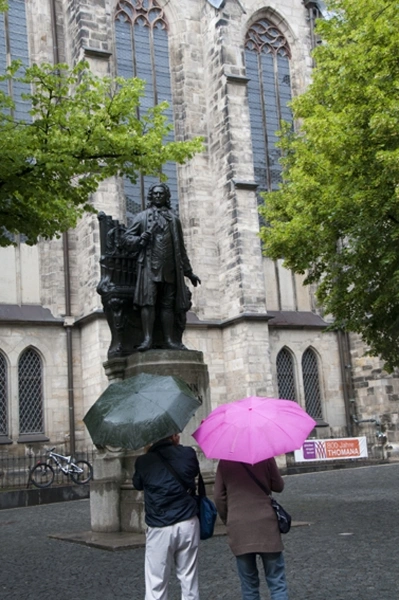
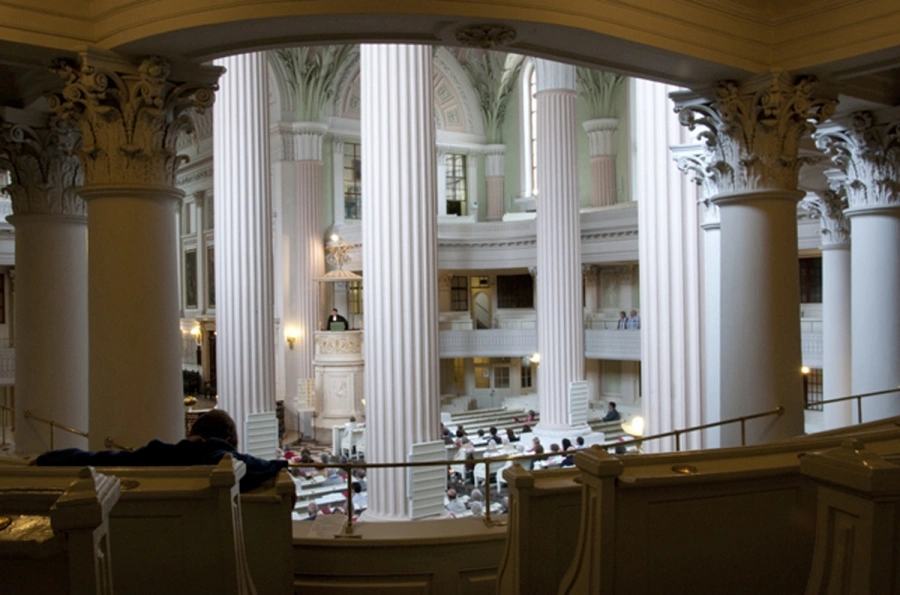
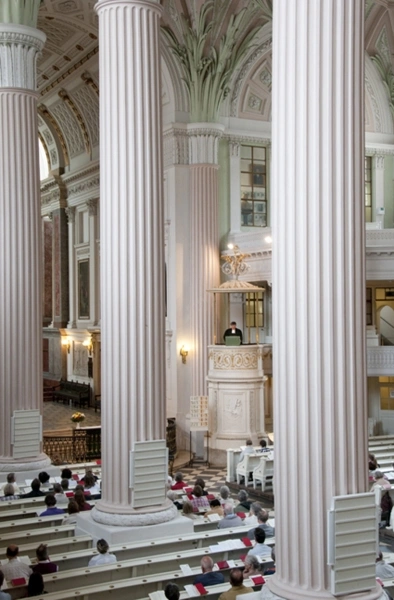
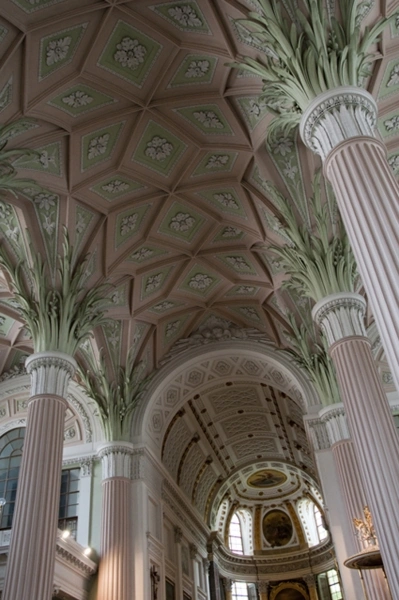
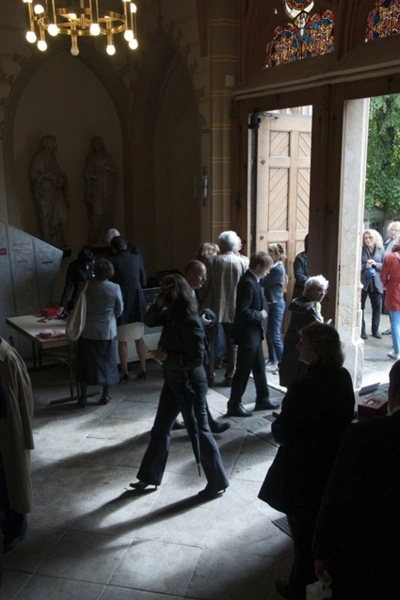
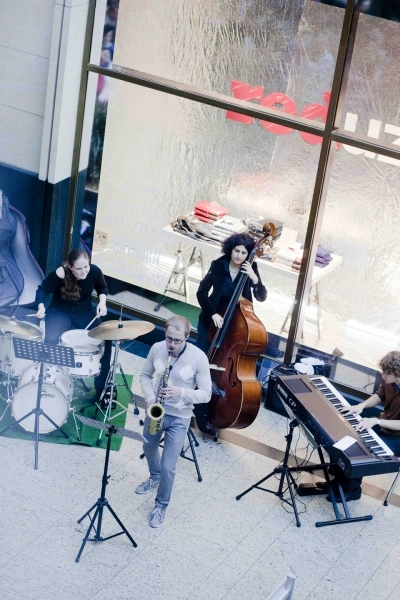
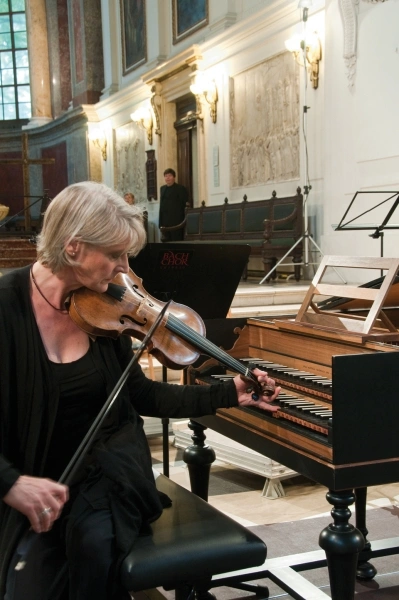
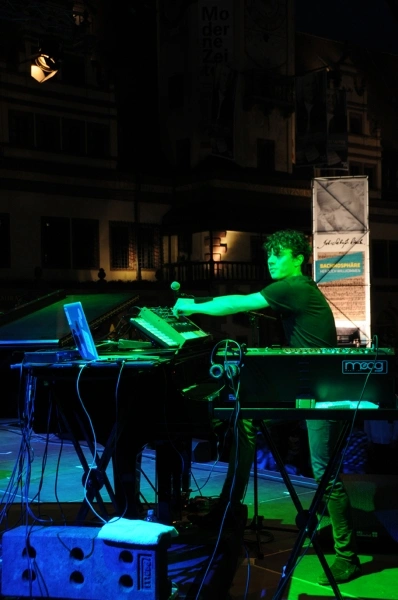
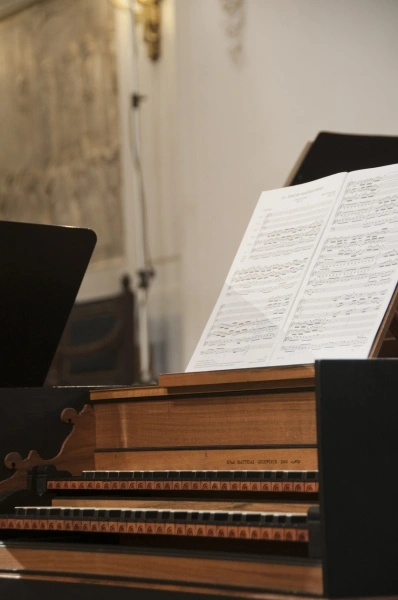
Photographs as Commission for the Bach Archiv to illustrate the programme of next years Bach Festival in Leipzig.

01 Bach Monument, Thomas Church, Leipzig

02 Nikolai Church, Leipzig

03 Nikolai Church, Leipzig

04 Nikolai Church, Leipzig

05 Thomas Church, Leipzig

06 Passage, Leipzig

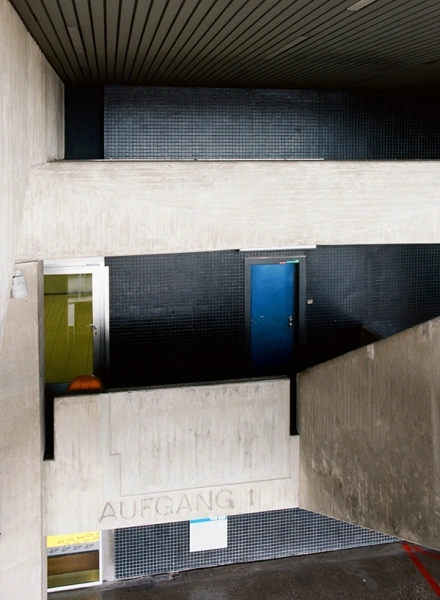
07 Band: Aufgang, Concert, Market Space, Leipzig

08 Evangelisch-Reformierte Kirche

09 Band: Aufgang, Concert, Market Space, Leipzig

10 Evangelisch-Reformierte Kirche

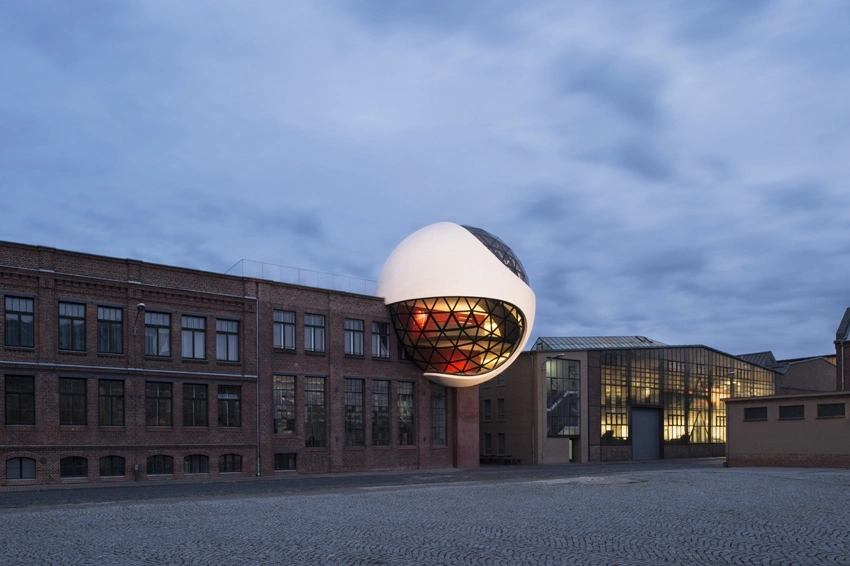
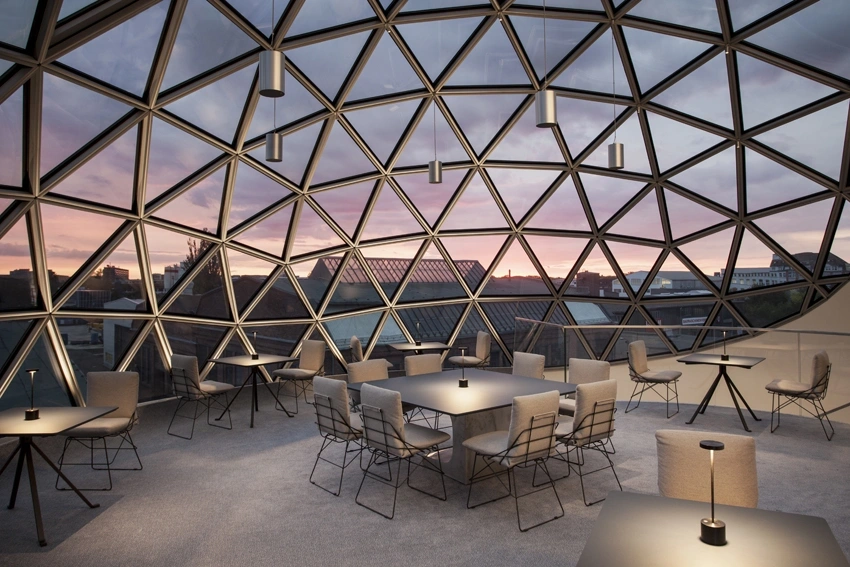
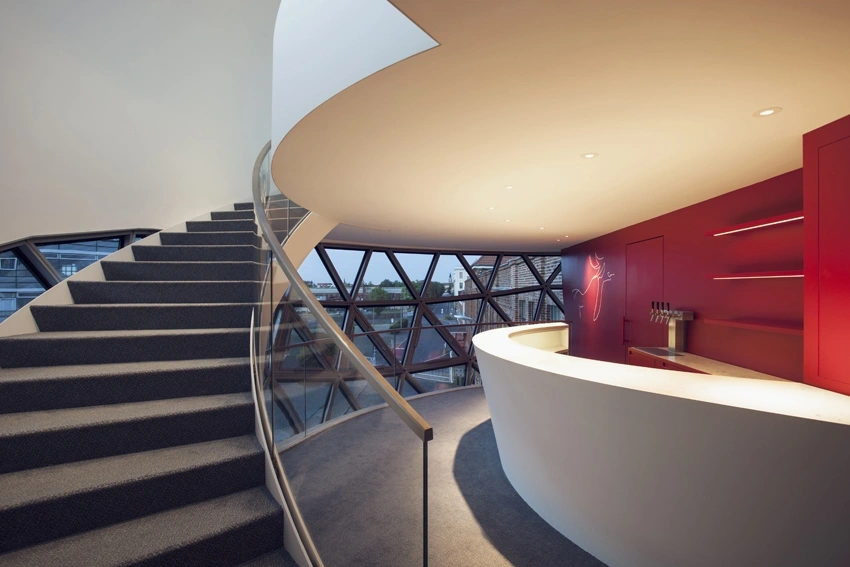
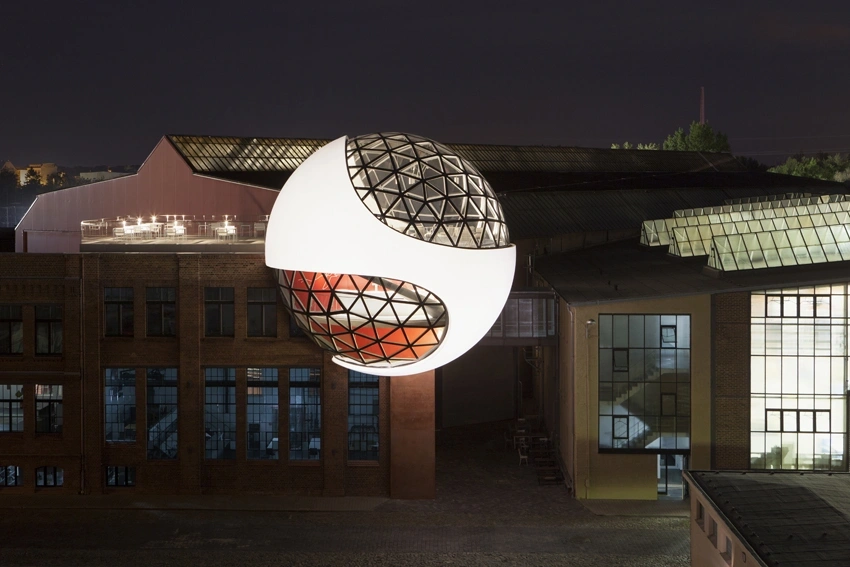
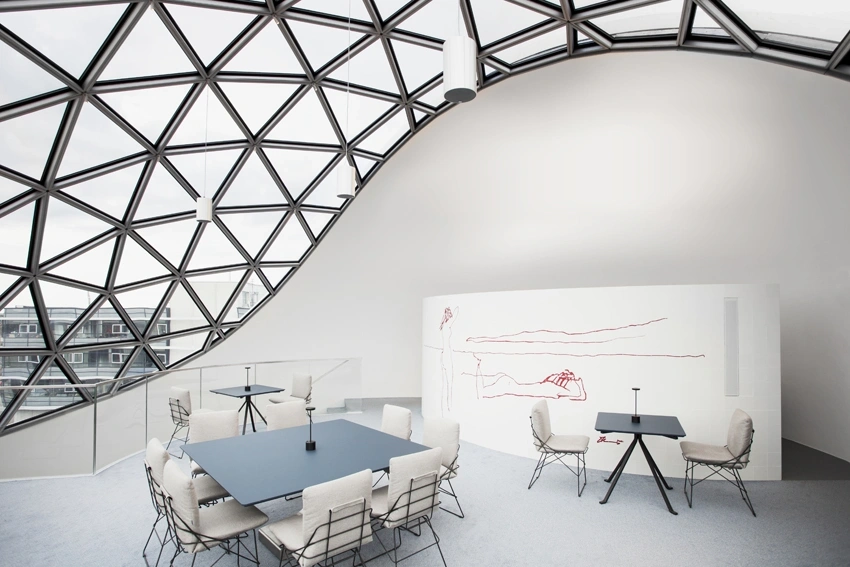
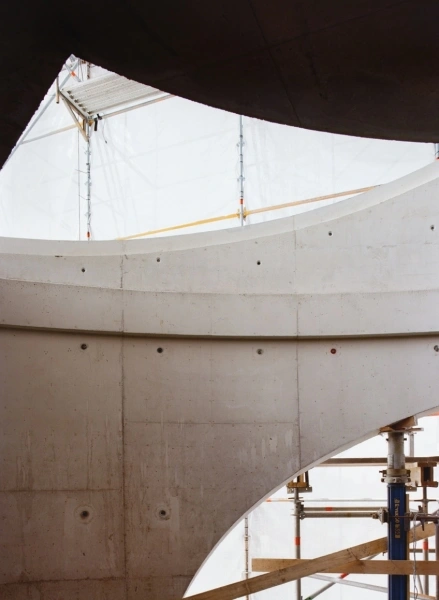
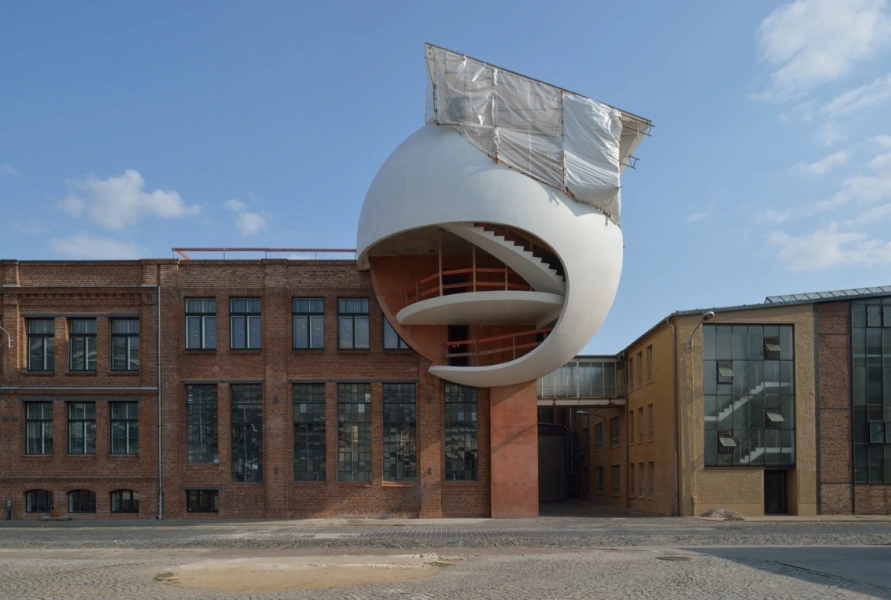
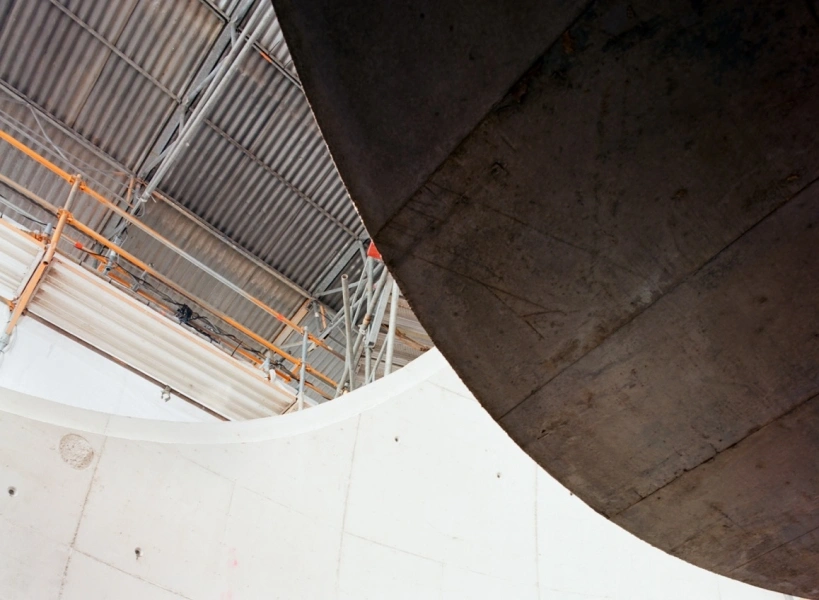
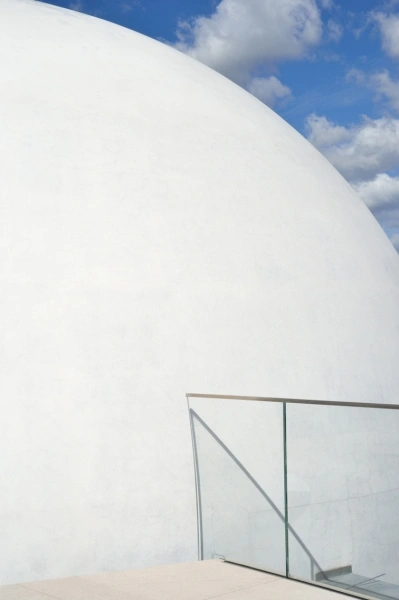
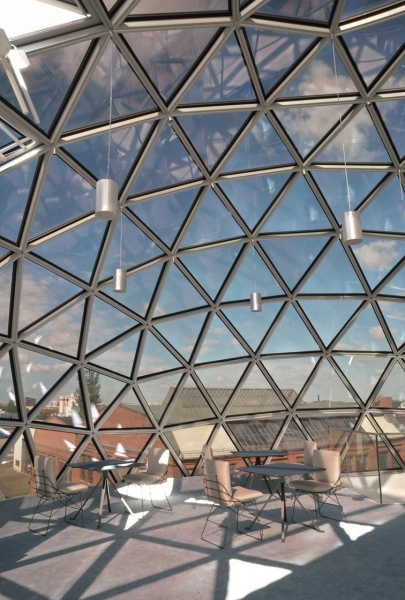
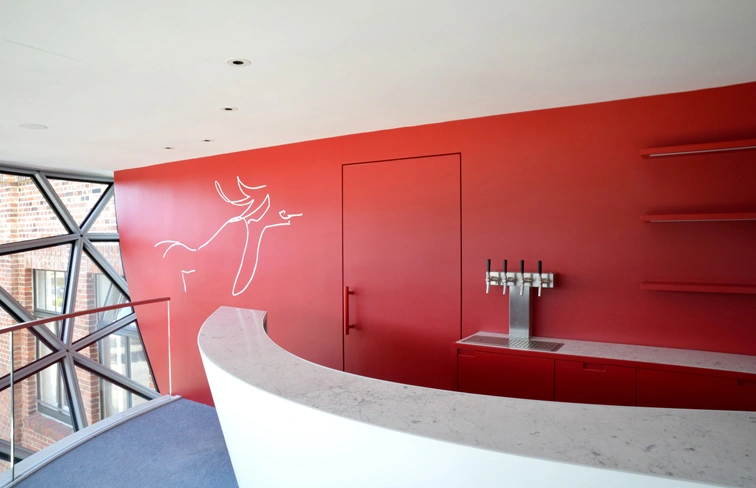
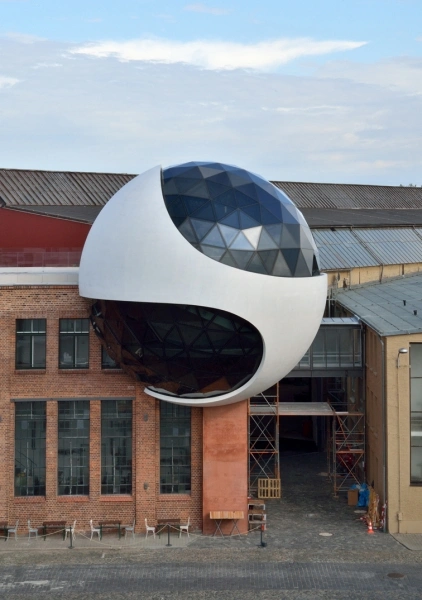
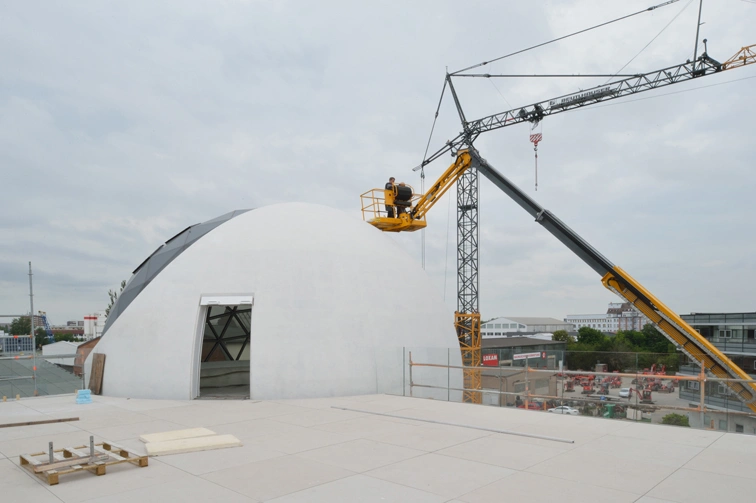
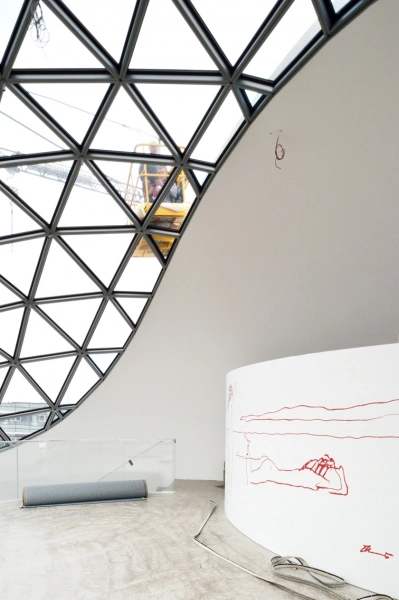
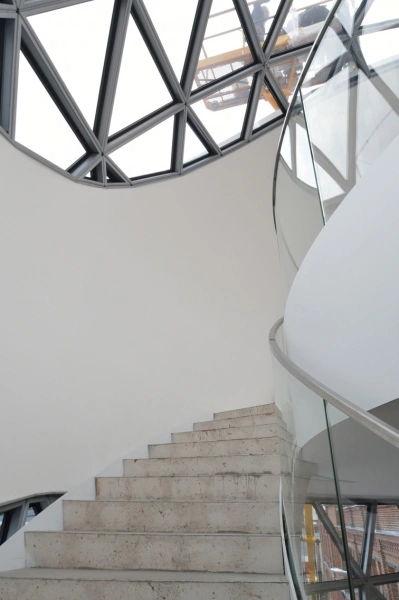
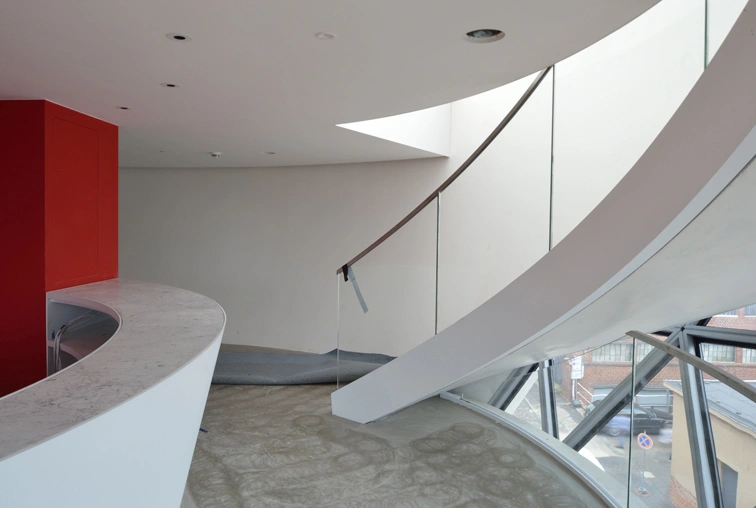
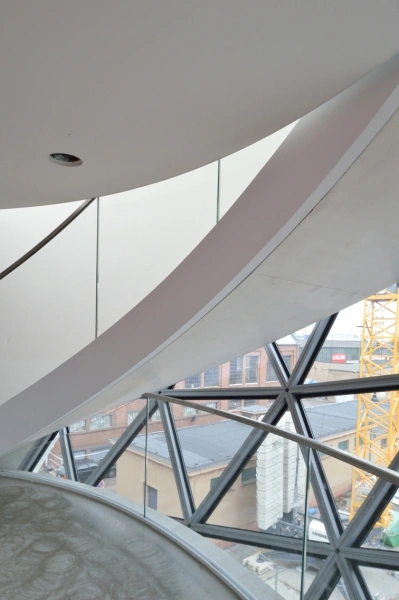
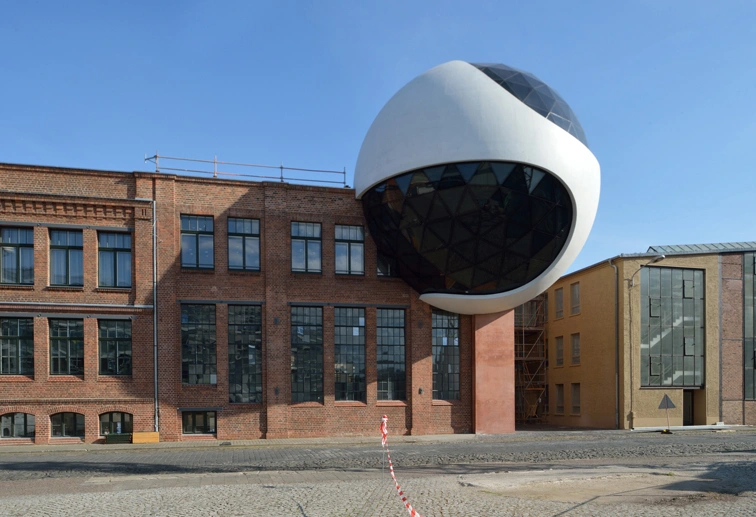
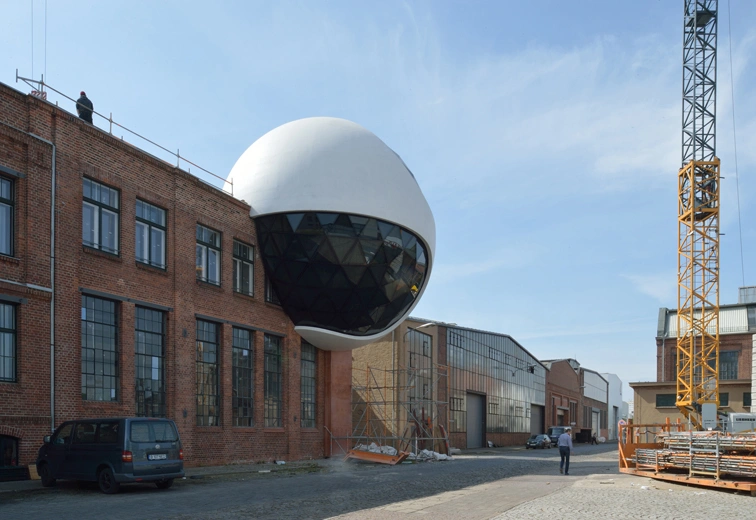
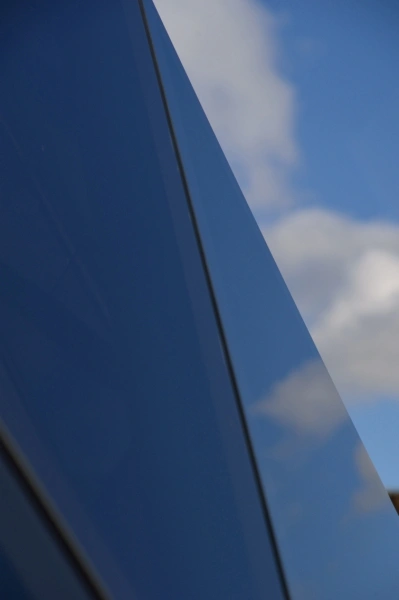
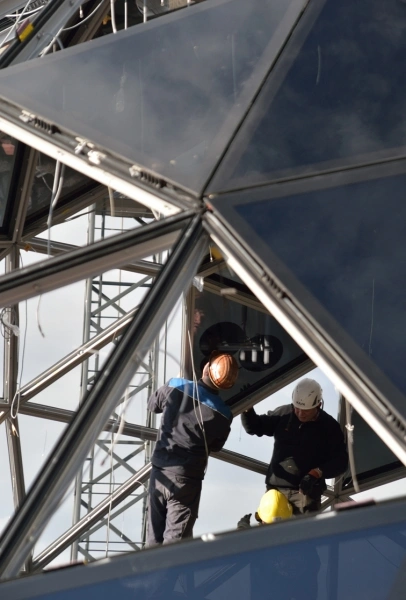
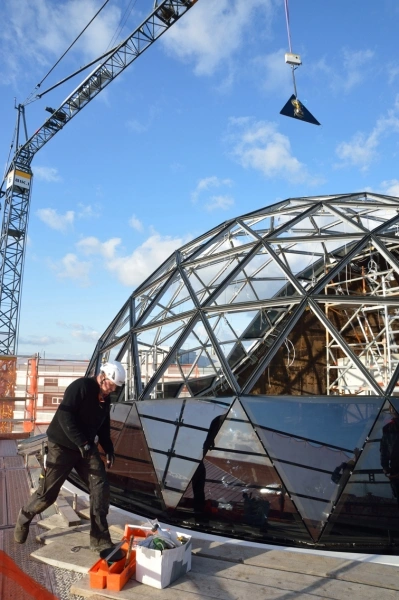
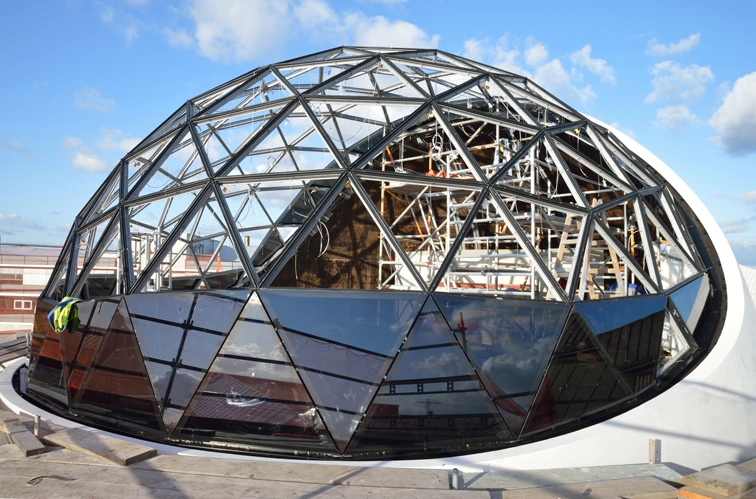
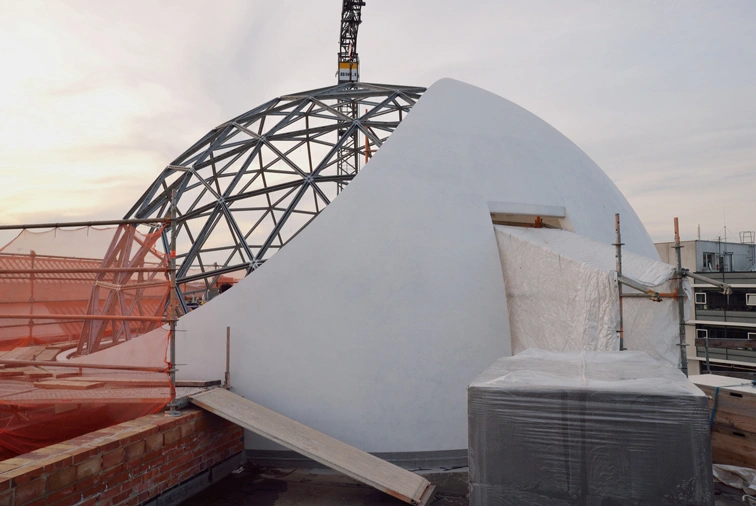
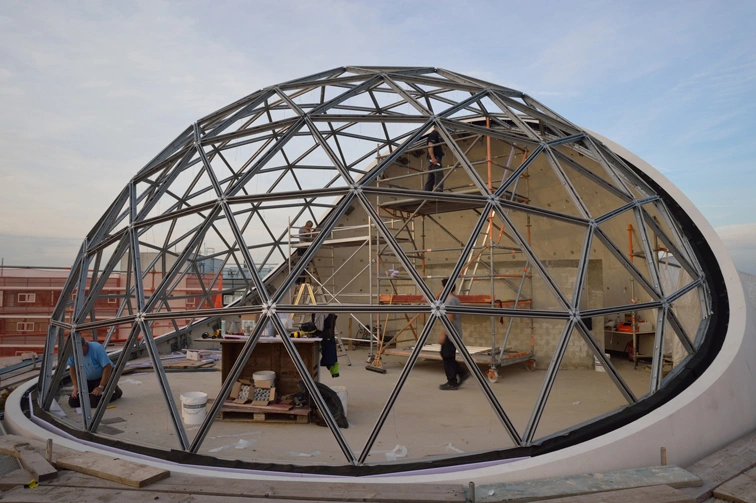
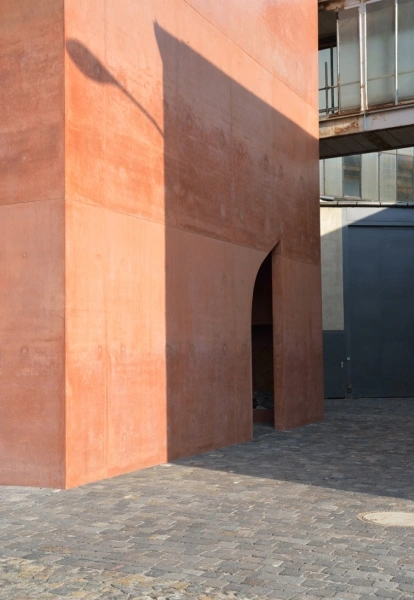
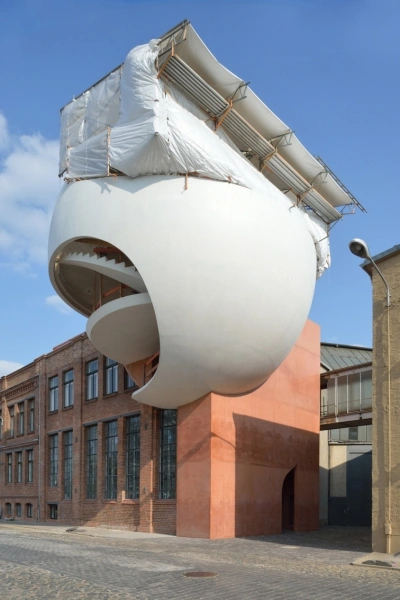
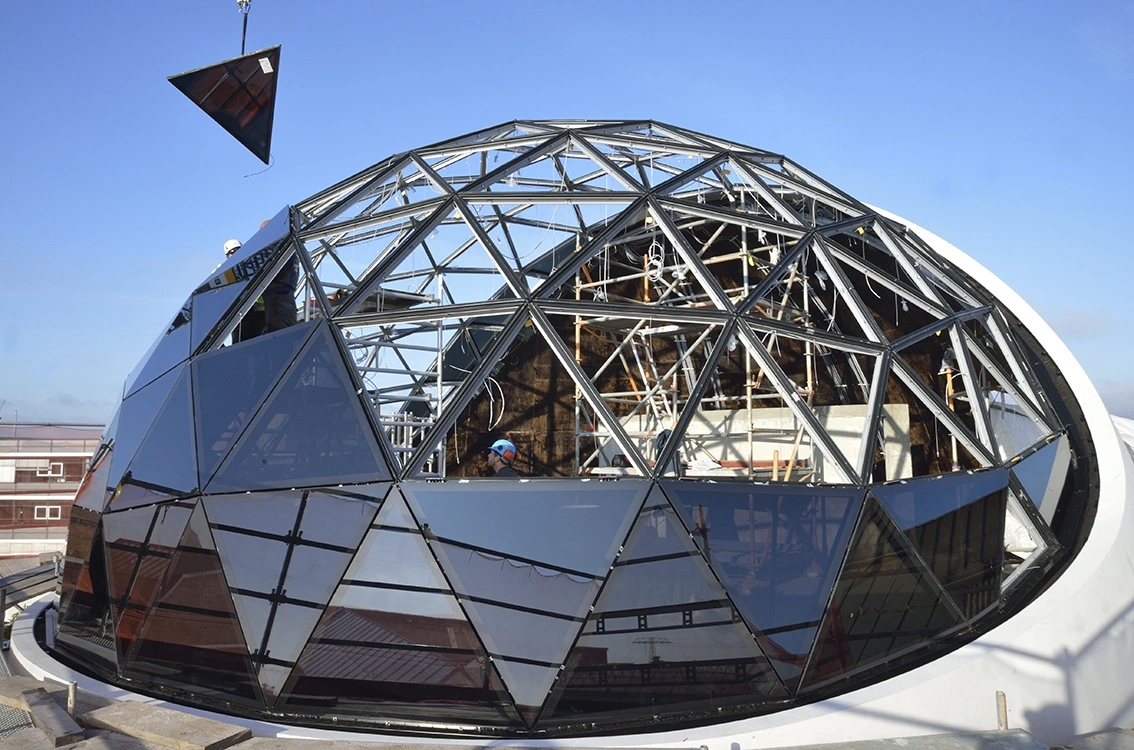
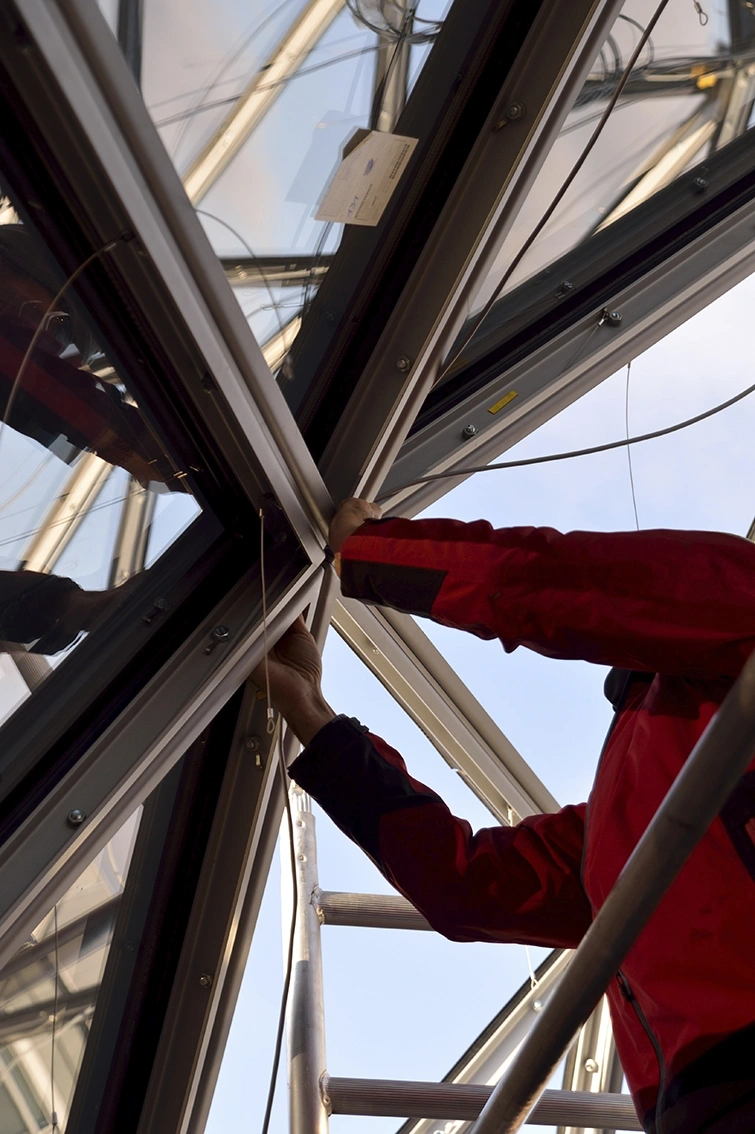
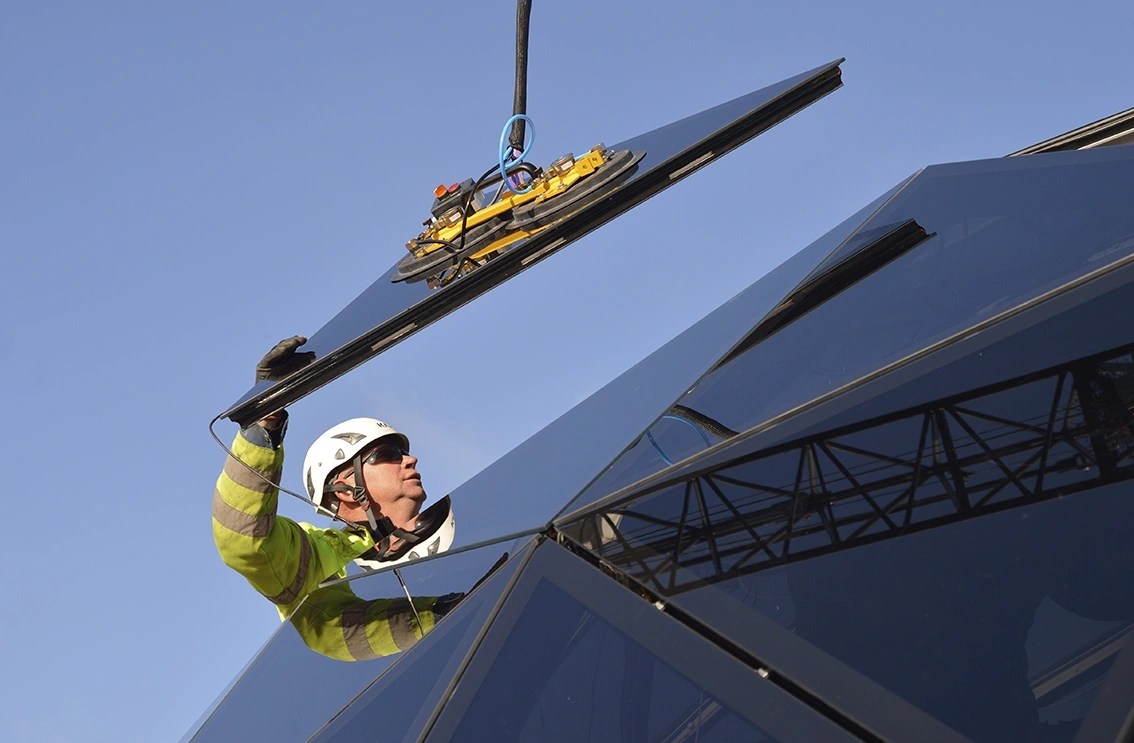
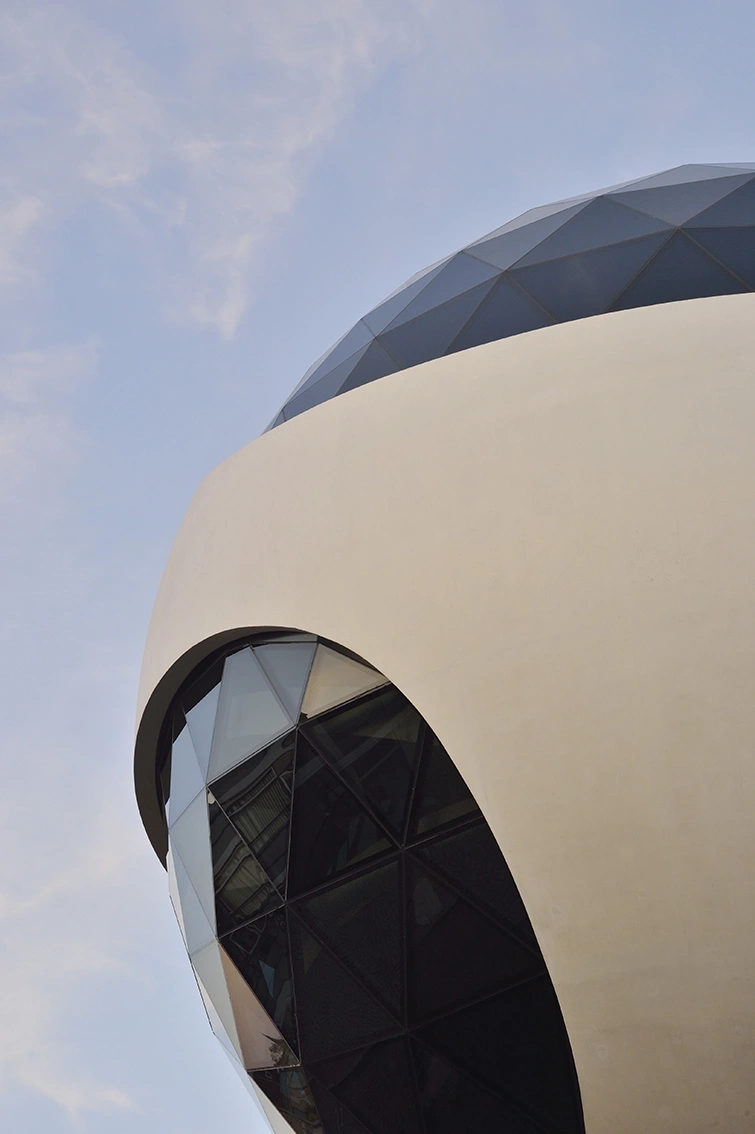
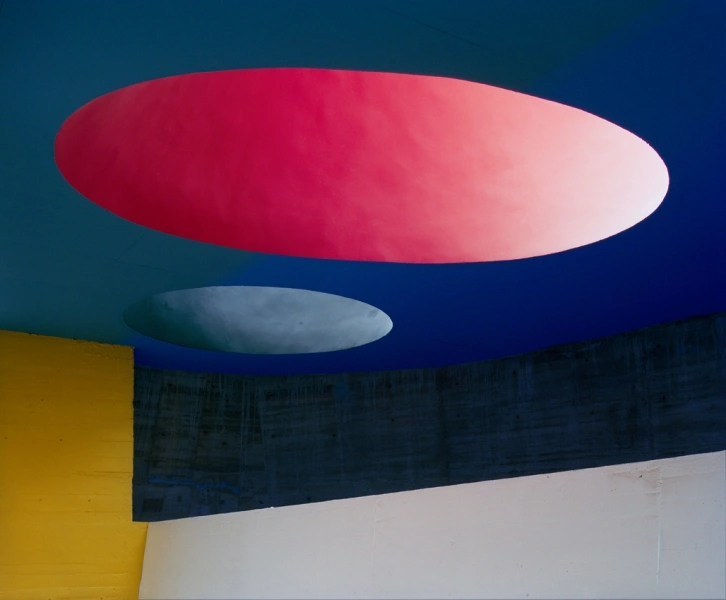
For the company Lichtkunst Licht, we photographed the architecture of the Niemeyer Sphere in Leipzig. To capture the unique lighting atmosphere of the sphere, we took photographs both inside and outside at various times of the day. For this project, I collaborated with the photographer Sebastian Stumpf.

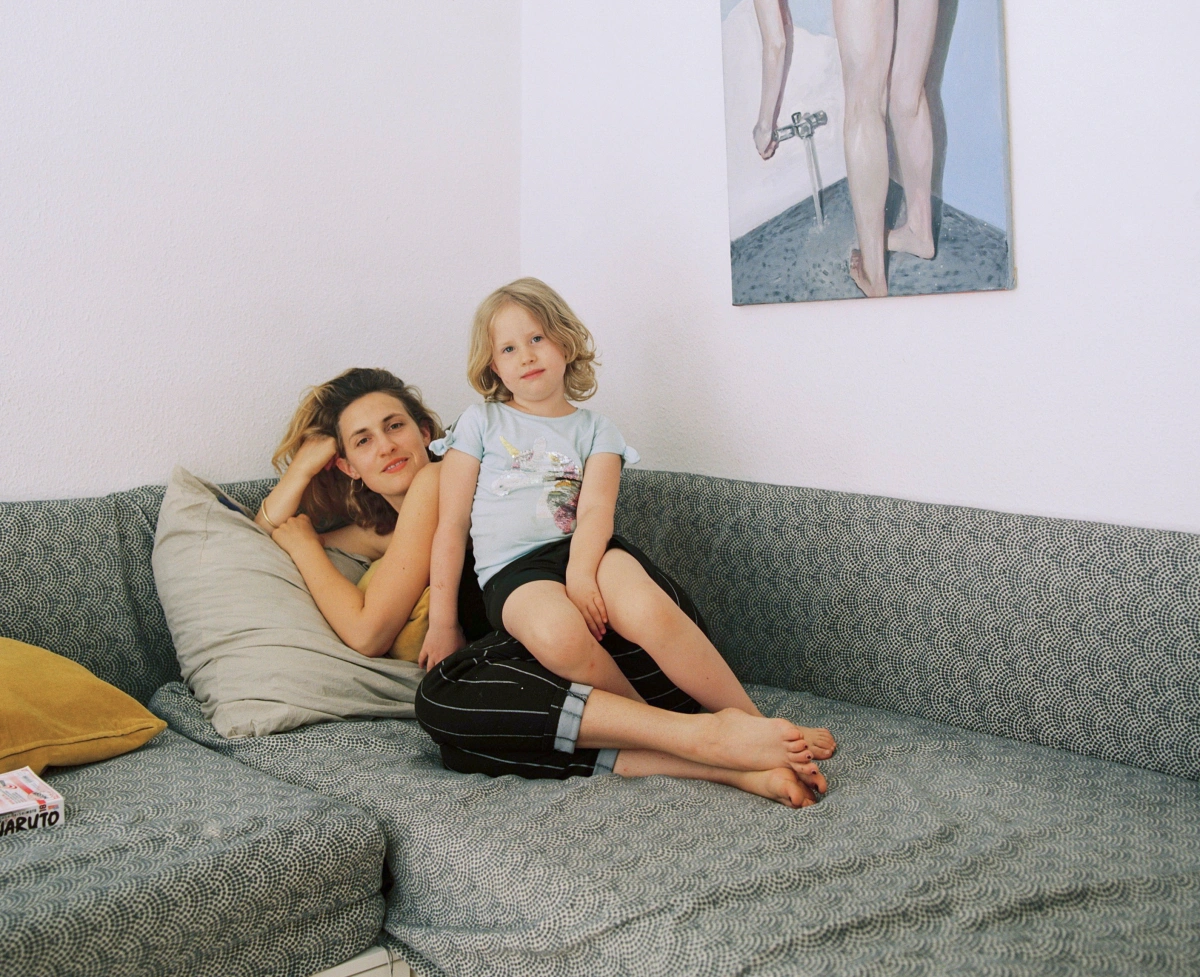
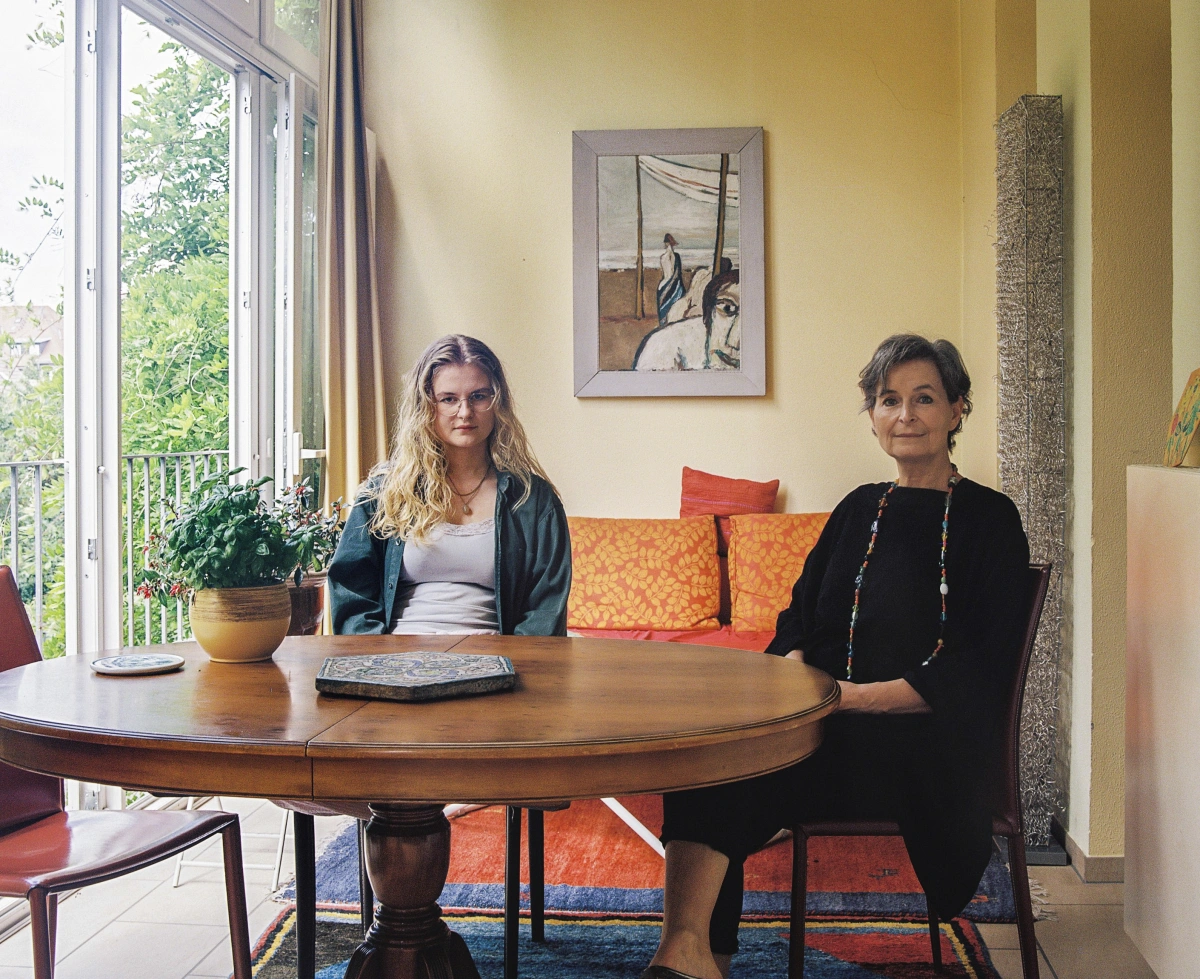
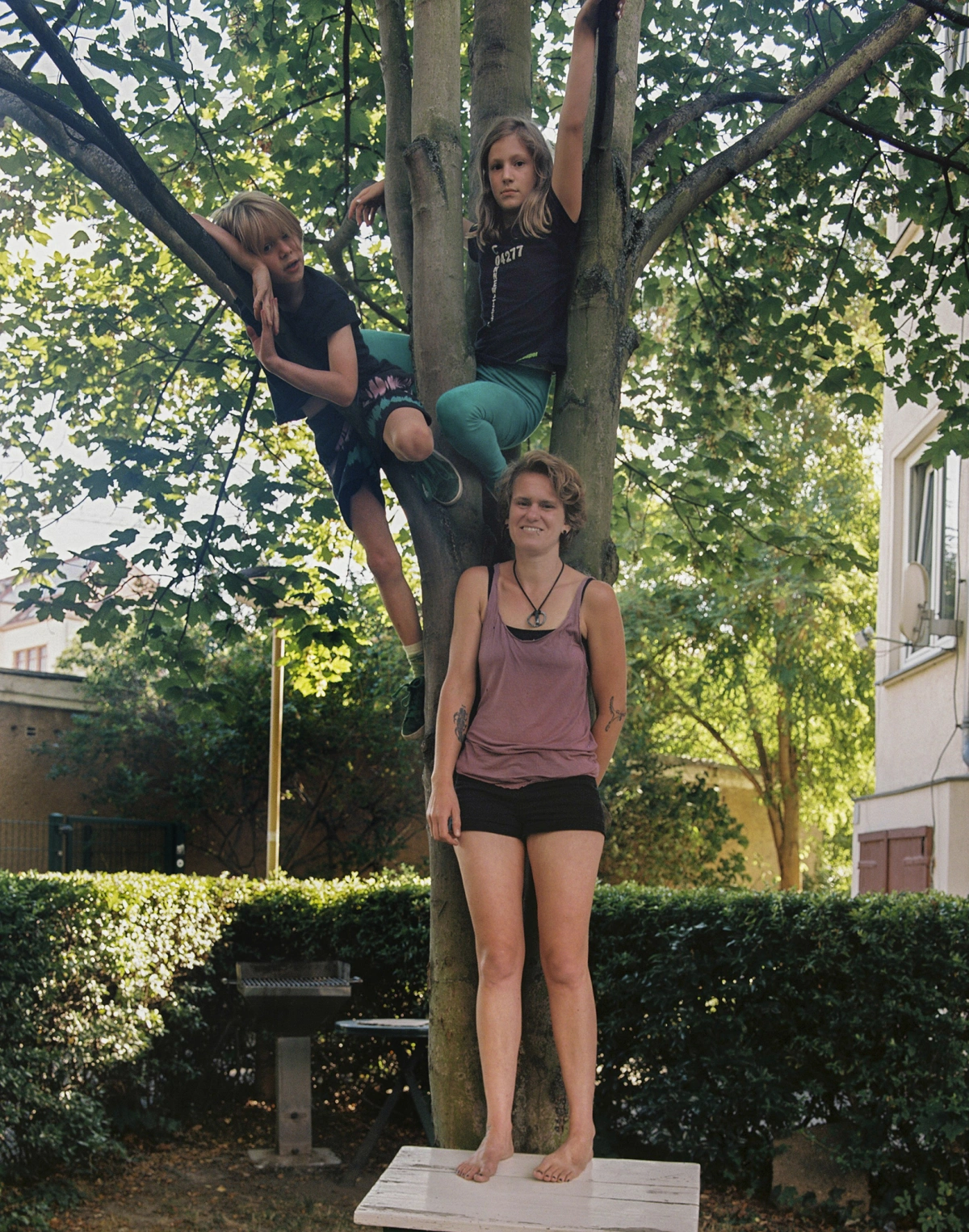
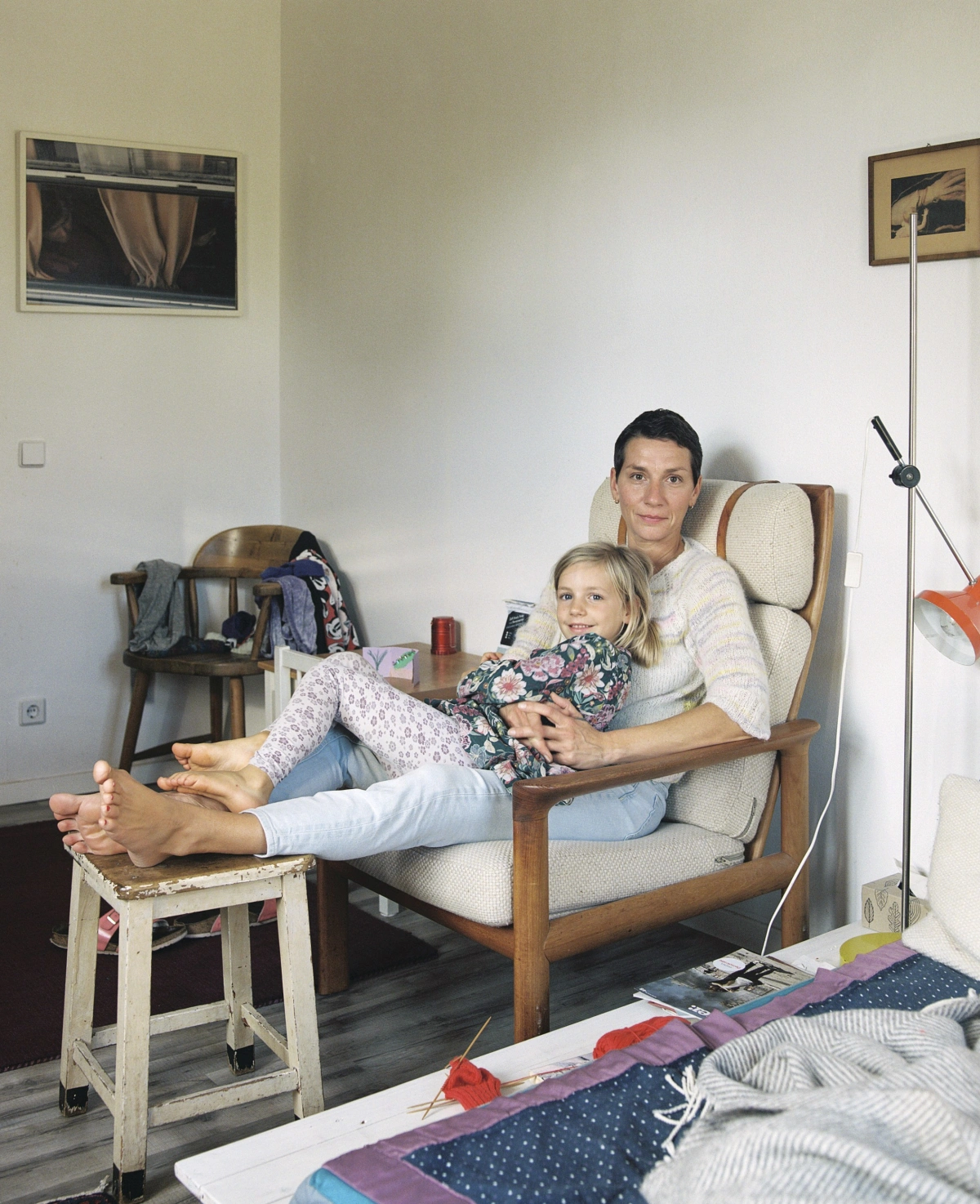
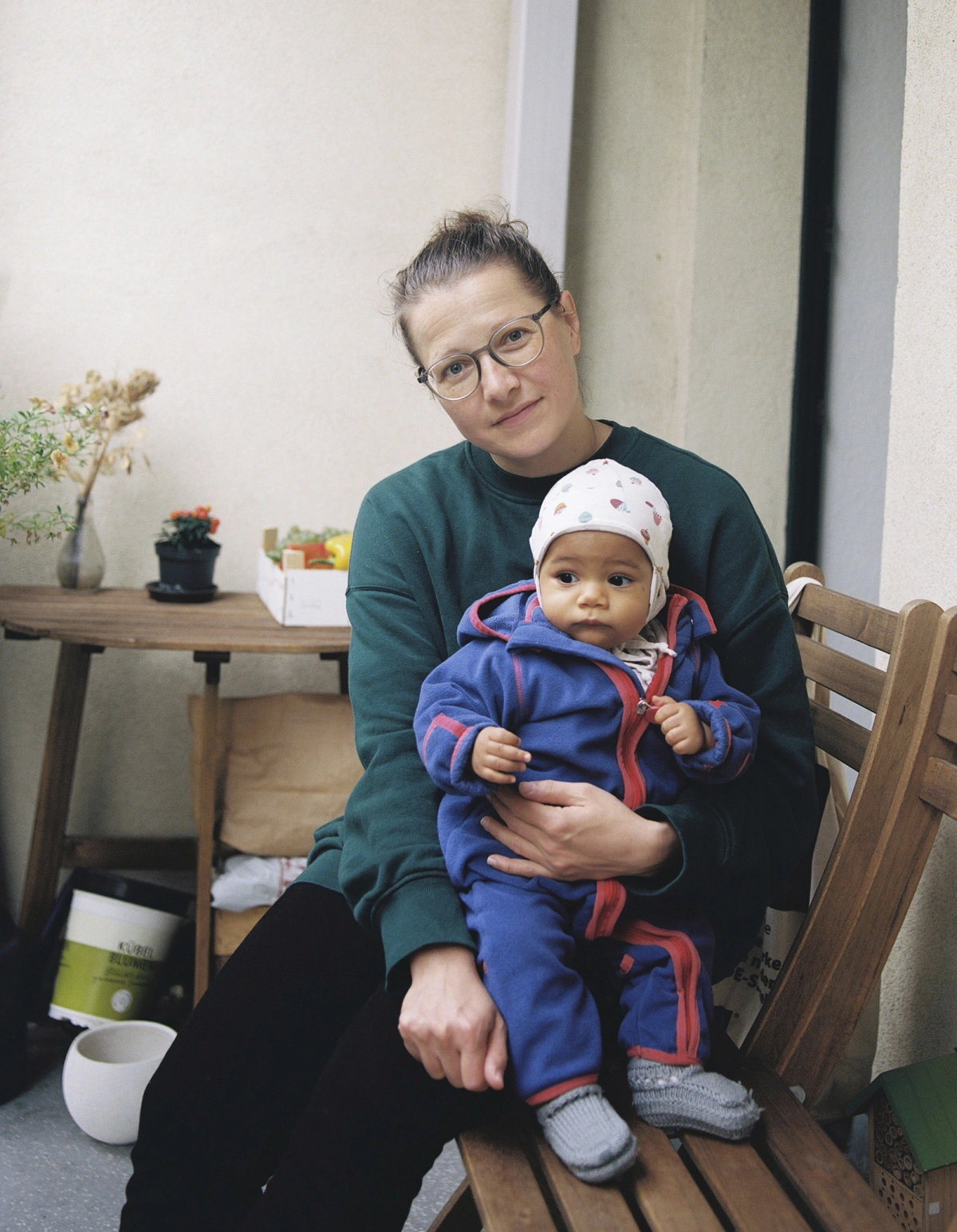
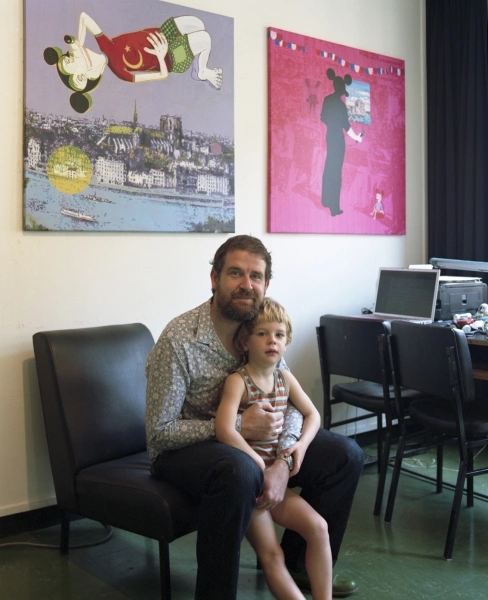
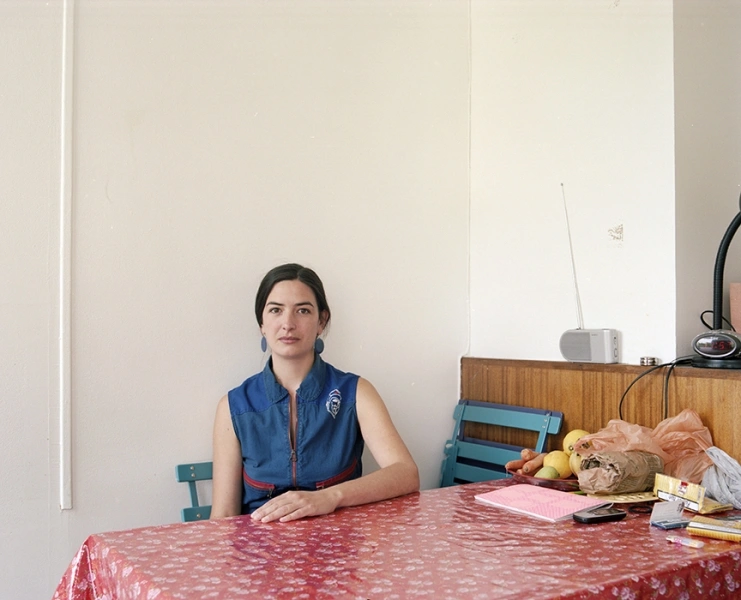
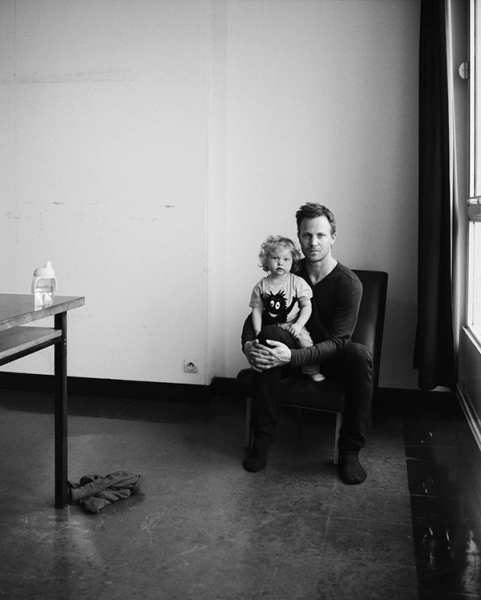
For the photographic series ‘Mono-Parents’, I have been photographing single-parent families since 2021. These are single-parent families where the father or mother is absent. Mono comes from the Greek and means: only or alone. In French, single parents are called ‘monoparental’.

The Ministry for Family Affairs writes: ‘In Germany, there are more than eight million families with underage children. Of these, 18 per cent are single parents, i.e. mothers or fathers who live alone with their children in the household. Between 1996 and 2021, the number of single parents with underage children rose from 1.3 million to just under 1.5 million. Of the approximately 13 million children under the age of 18, 18 per cent now live with one parent in the household. In nine out of ten cases, this is the mother.’

These are families in which one parent is solely responsible for the care, education and upbringing of the children, rather than the alternating model. Most of the families photographed live in the city of Leipzig, where I also live and work with my 6-year-old son.

With my pictures, I show a family model that is still not considered socially acceptable, in which parents often receive little support and understanding, and which many people in our society do not recognise as a family model. Being a single parent often means a great challenge for children and parents, often a life in precarious circumstances and a double burden for the single parent. Nevertheless, I perceive the families I photograph as strong, independent, reflective and self-confident.

01 Therese, PR Managerin, and Cosima, Leipzig, 2021

02 Isabella, Drama Teacher, and Sophie, Leipzig, 2022

03 Mandy, Financial Accountant, and Lotti, Leipzig, 2023

04 Tiffi, Art Educator, with Jenö and Tünde, Leipzig, 2022

05 Annemarie, Vocacional School Teacher, and Winnie, 2023

06 Anett, Dance Teacher, and daughter, 2023

07 Johanna Artist and Educator,with Marlen and Willi, Leipzig, 2024

Exhibition with works from Azra Akšamija, Éric Baudelaire, Margret Hoppe, Sharon Lockhart, Christian Nyampeta, Marcel Odenbach, Artūras Raila, Natascha Sadr Haghighian, Michael Scheffer, Maya Schweizer, Shirana Shahbazi, Andrzej Steinbach and Anna Witt, all from the GfZK Collection, along with works on loan from Clemens von Wedemeyer

22.5.26–27.6.27
GfZK Altbau
More Information

Series of 20 Archival Inkjet Prints, 40 x 50 cm, Framed behind Glas,
18 C-Prints, different sizes, 18 Offset Prints, 42 x 30 cm


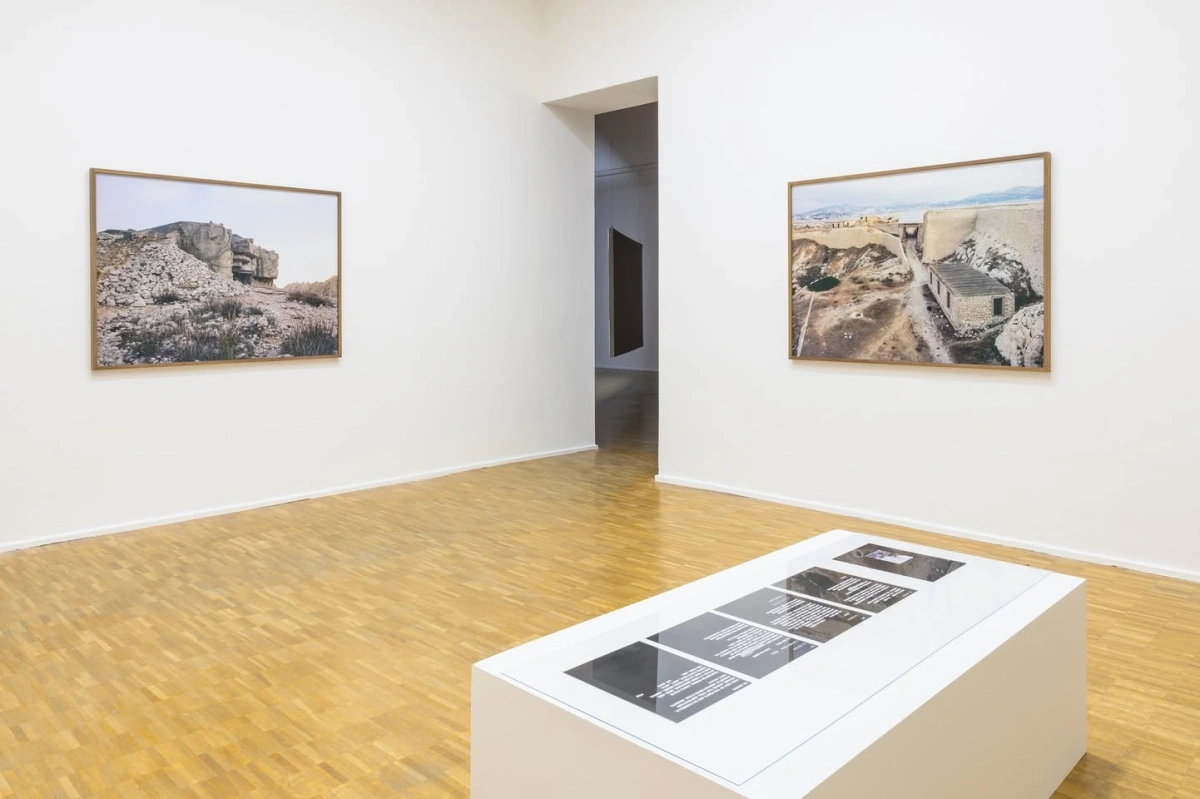
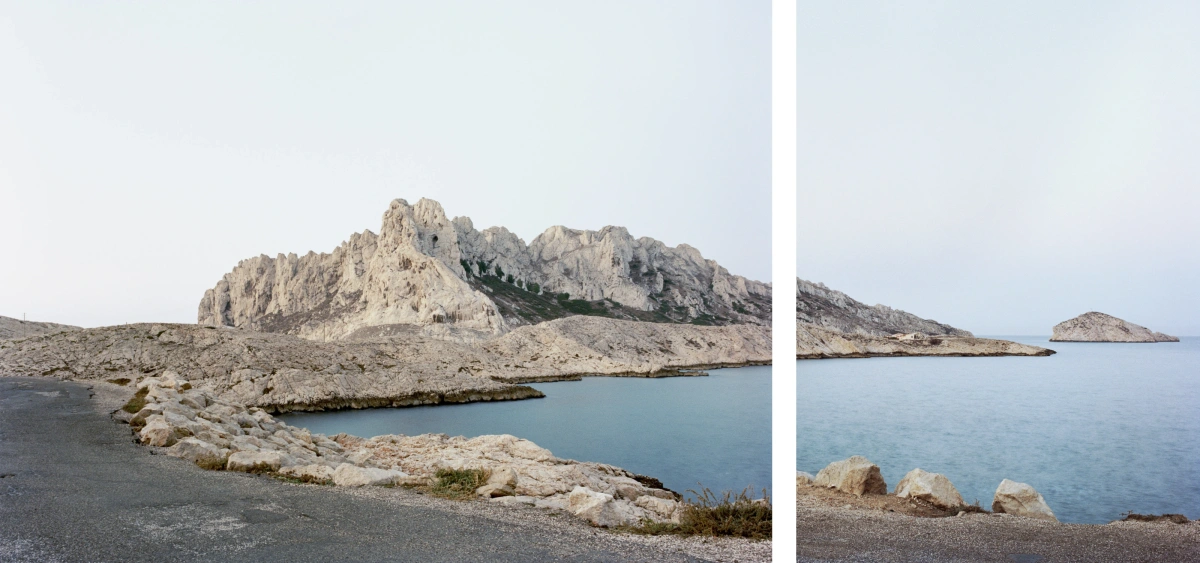
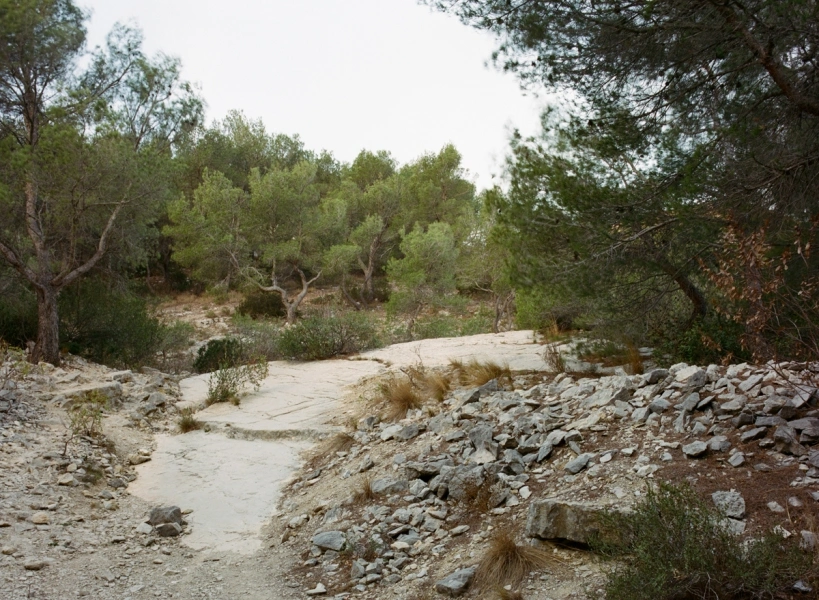
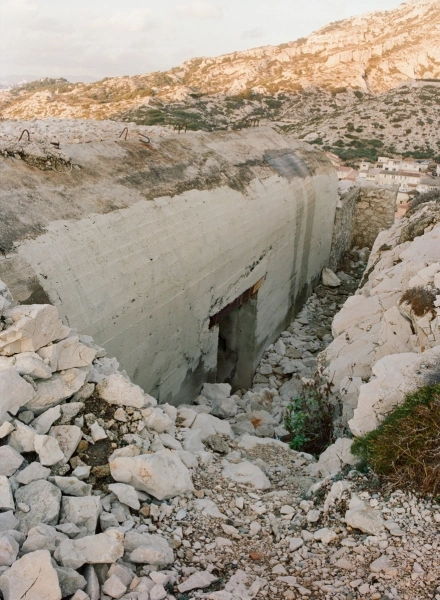
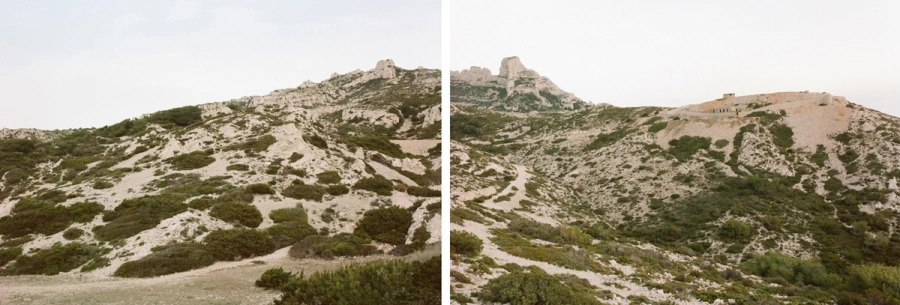
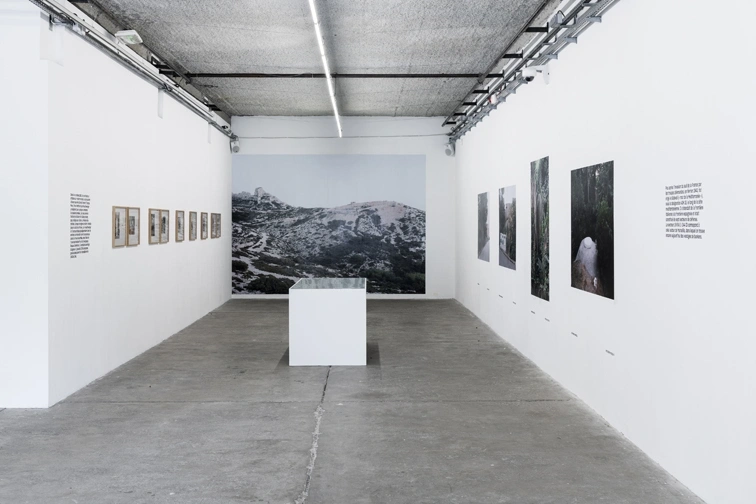
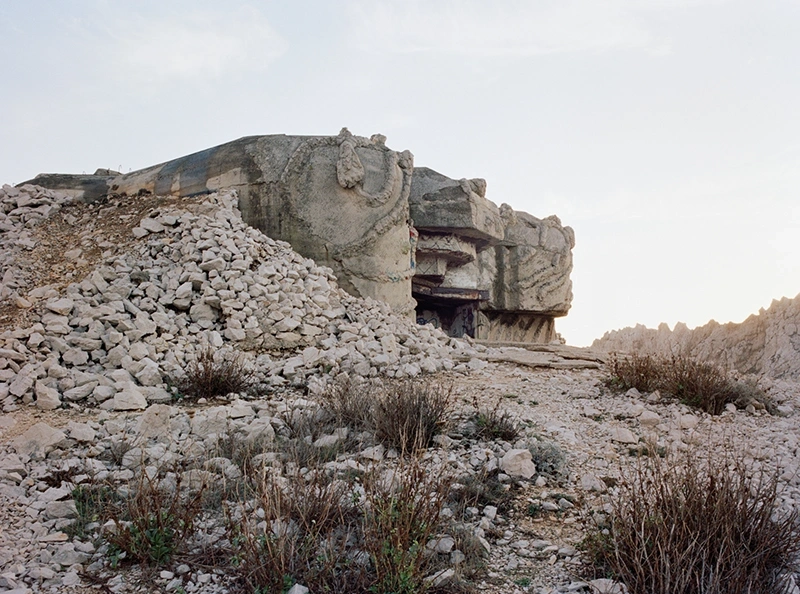
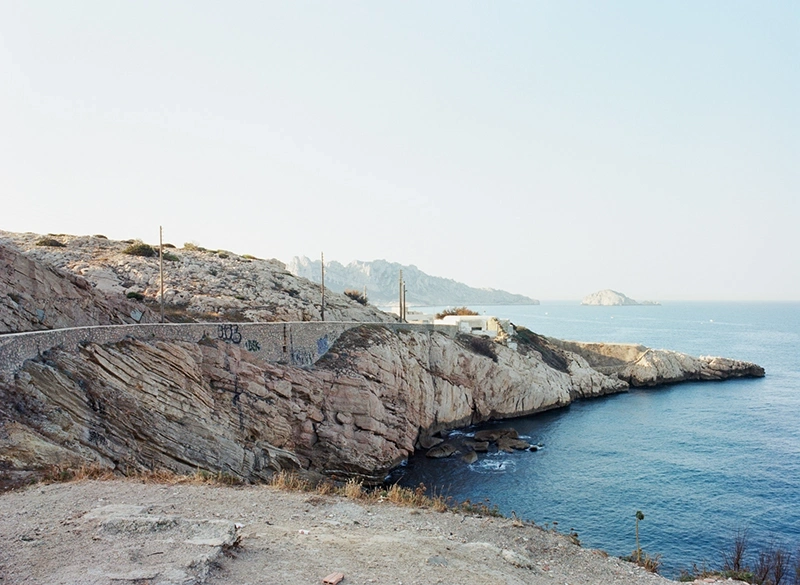
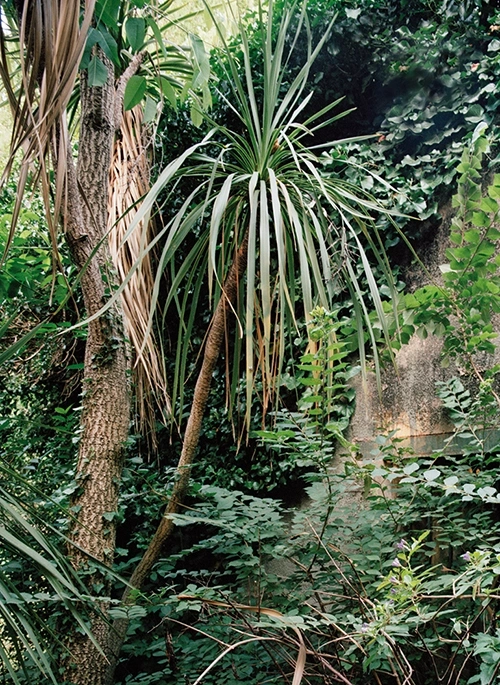
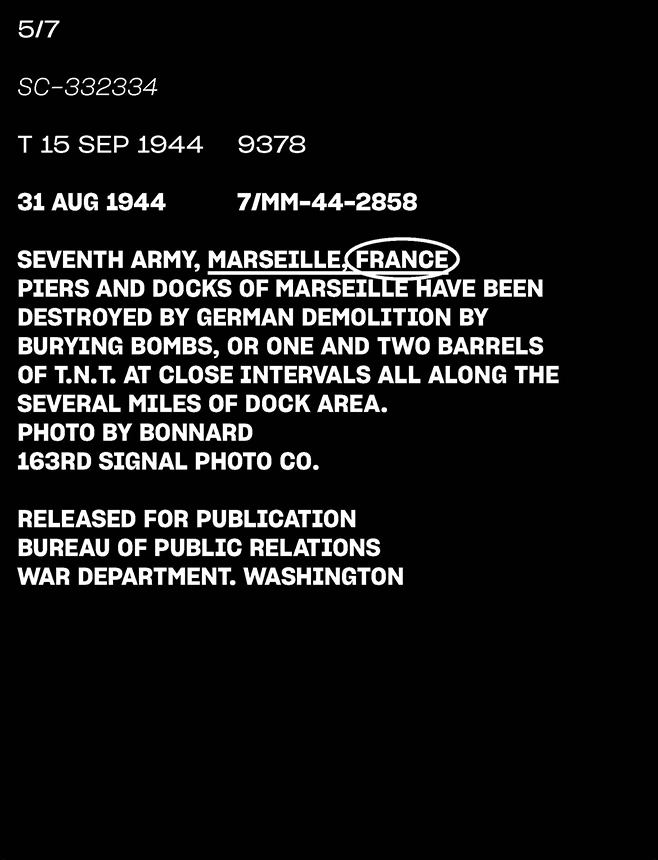
During the Second World War the southern front (Südwall) was established from the Spanish to the Italian boarder around the coastline of Marseille. It served the German Wehrmacht, who occupied the area from 1943, as a line of defense against the allies. Until today, one can see remnants from military bunkers and forts in Marseille, on the white rocky coast of the Calanques and on the surrounding islands like the Iles du Frioul. In contrast to the bunkers in Brittany and Normandie the history of the southern front (Südwall) is not well known. For my series I am photographing these bunkers and forts which are through their material and their concrete color integrated in the rocky landscape of the coast. If they were not covered with colorful lines, letters and faces of graffiti, one could say they are camouflaged into the landscape, like soldiers who wear camouflage patterns of nature that protect them from being discovered. When Paul Virilio photographed the blockhouses of the North Atlantic coast for his Bunker Archeology project, he was interested in studying the different forms of bunkers and developed a typology of these fortifications. His black and white photographs show us the shape of the bunker from different perspectives like a medical examination where he compares different bodies. “These buildings are no longer just receptacles but binnacles, which is what distinguishes them from ordinary architecture and what gives them this anthropomorphic character. There is here a close relationship between the function of the arm and that of the eye.“ (Virilio, Bunker Archeology, P.43) In contrast to Virilio I´m not interested in a study of anthropomorphic forms, i am interested in the form of the landscape as an environment of bunkers, because through their stony characteristic they become the landscape. In addition to the photographs of the bunkers I made images of the plants and the rocky coast of the Calanques. The coast by itself is a wall, a post of defense that separates the sea from the land. In this way the word Südwall stands not only for the bunkers and fortresses but also for the rocks of the mediterranean coast. At the edge of the streets and former military paths grow agave plants in the dry earth. The word agave is in its origins greek and means sublime or noble. Also the agave is a century plant because it flowers only once in its life and this can take decades. Actually the agave is a migrant plant because it grows originally only in South and NorthAmerica. When I photographed the plant it reminded me of a gun or sword because at the end of its leaves there are thorns for protection. In the harsh landscape the agave resists the wind and sun. The Südwall has changed over the decades from a fortress into a landscape where the traces of the Second World War are visible, in ruins and architectural relicts. The man made wall has turned into a natural structure. Nature and architecture come together and seam to be made of one material. Some bunkers were later transformed into homes where people now live. In one image one can see a stone memorial that reminds us of the victims of war – three resistance fighters that died at a young age. In this picture three persons appear, who are only present through their names: Jean Odelin, 17 years, Serge Loiseau, 19 years and Jaques Baby, 23 years.
The Südwall stands for the complex and conflicted history of Germany and France and the catastrophe of the two World Wars. This former line of defense is a place that reminds us that the Europe of today has suffered from many wars and that its position as a peaceful union of different countries can not be taken for granted, it is a fragile construction.

01 Ile Maire, Marseille, C-Print, Diptych 100 x 125 cm and 100 x 80 cm

02 Exhibition View, Südwall, Friche la Belle du Mai, Marseille, 2020, Photo: Geoffroy Mathieu

03 Chemin des Goudes, Marseille, C-Print, 110 x 135 cm

04 Chemin des Goudes, Marseille, C-Print, 11x 135 cm

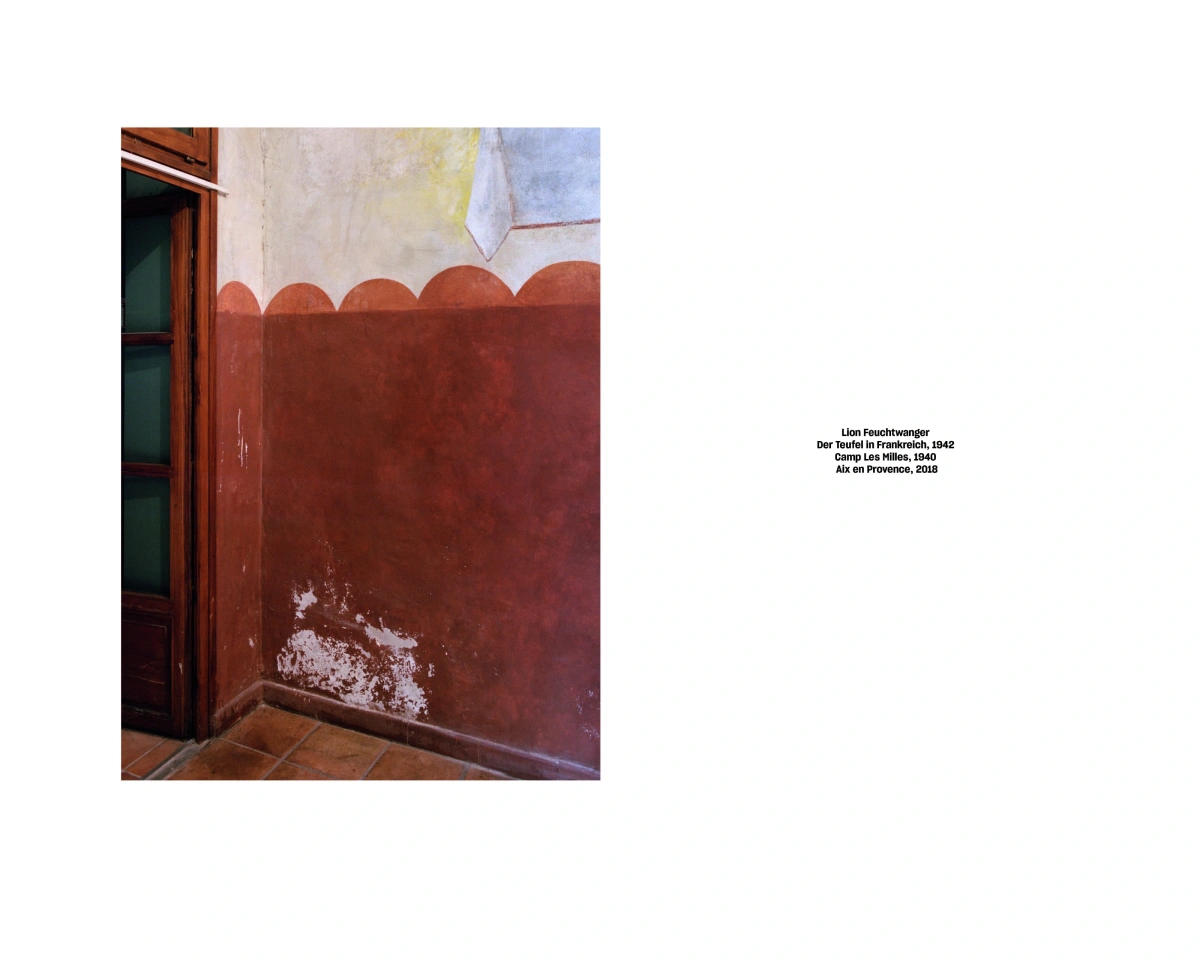
05 Lion Feuchtwanger, Der Teufel in Frankreich, Camp Les Milles, 1942, Archival Inkjet Print

06 Parc Borely, Marseille, 2020, C-Print, 135 x 110 cm

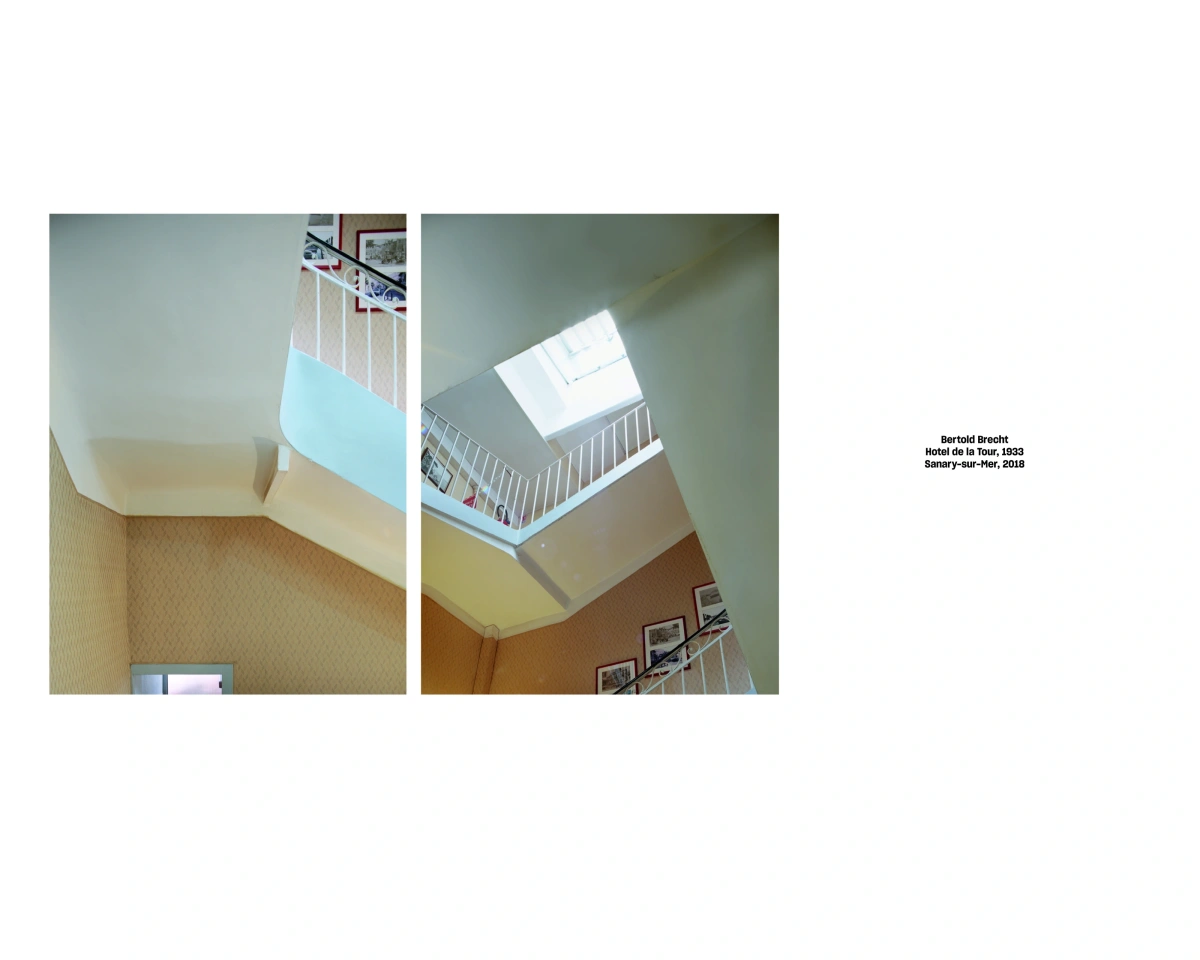
07 Bertolt Brecht, Hotel de la Tour, 1933, Sanary-sur-Mer, 2018, Archival Inkjet Print

08 Offset Print, 40 x 30 cm

09 Offset Print, 40 x 30 cm

Series of 18 Analog Photographs, Framed behind Glas, Edition of 5+2 A.P.

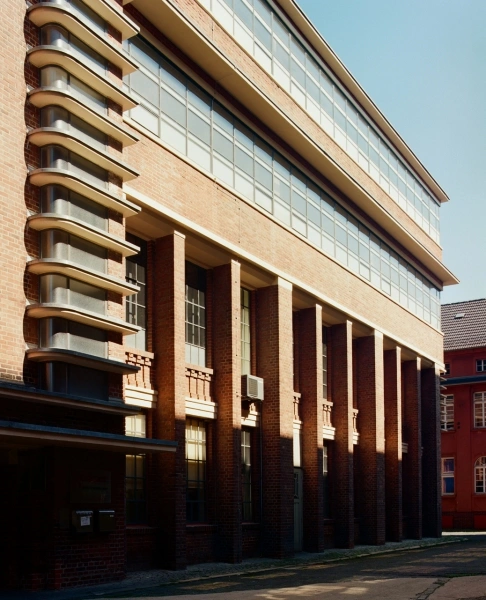
“Underexposed Modernity“ is a series which shows buildings from the period of classical modernism which attracted little consideration so far. These are in particular the buildings of Thilo Schoder who projected a women's hospital and a textile factory in Gera, a hospital in Zwenkau near Leipzig and a residential area in Hermsdorf. Schoder invented between 1919 and 1932 further important works mainly im Thuringia ansd Saxony before emigrating to Norway. His buildings as well as his furnitures fell into oblivion and still are in the shadow of architectural history. They are underexposed. The photographies of these buildings are documentary because they depict the existing buildings and likewise subjective because they show the architecture solely en detail and in a new perspective.

01 Hans Scharoun, Haus Schminke II, Löbau, 2017, C-Print, 99 x 120 cm

02 Hans Scharoun, Haus Schminke III, Löbau, 2017, C-Print, 80 x 80 cm

03 Thilo Schoder, Textilfabrik Gera II, 2017, C-Print, 95 x 125 cm

04 Thilo Schoder, Textilfabrik Gera I, 2017, 40 x 30 cm

05 Thilo Schoder, Frauenklinik Gera III, 2017, 125 x 90 cm

06 Thilo Schoder, Textilfabrik Gera III, 2017, 125 x 90 cm

07 Thilo Schoder, Frauenklinik Gera II, 2017, 40 x 30 cm

08 Thilo Schoder, Textilfabrik Gera IV, 2017, C-Print, 30 x 40 cm

Series of 9 Analog photographs, c-prints, 160 x 130 cm and 130 x 160 cm, edition of 3 + 1 A.P.

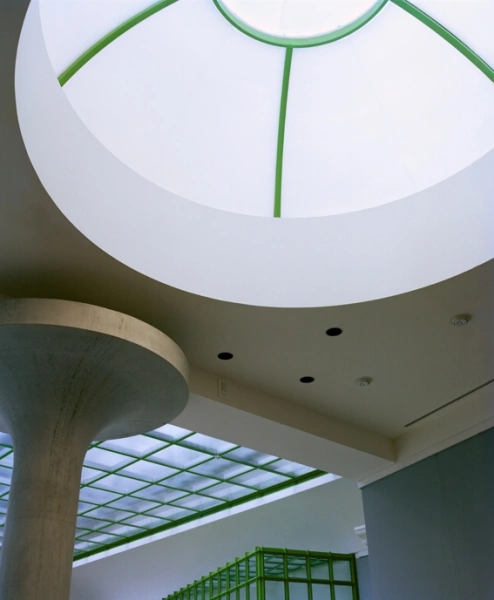
The Neue Staatsgalerie Stuttgart by James Stirling is today considered a masterpiece of postmodern architecture. In its complex design the museum is an Art Work in itself together with its collection of pictures and sculptures. This is especially signified by the many visual quotations from the history of architecture which are a striking feature of the Neue Staatsgalerie. Further more these features parody assumptions about architecture.

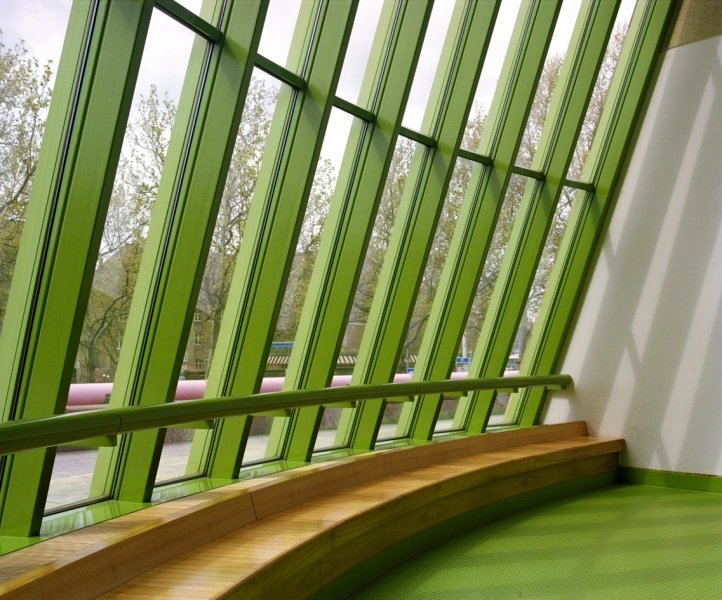
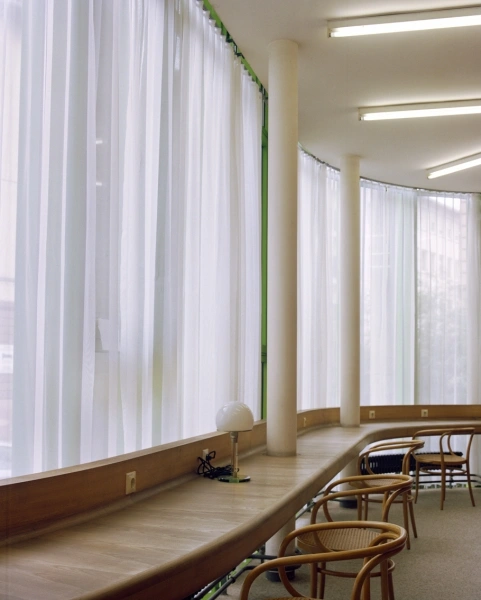
The series Staatsgalerie Stuttgart I – IX are dedicated to the special design elements in the Stirling building. Deliberate examples in the representation of the architecture refer to the use of colour, form and materials which promote contradiction. The pictures I and IX of the series are quotations in a double sense – they acknowledge Stirling has taken up the formal language of Le Corbusier's semi-detached houses at the Weißenhofsiedlung in Stuttgart and Margret Hoppe's photographs refer to her own series about Le Cosbusier’s architecture.

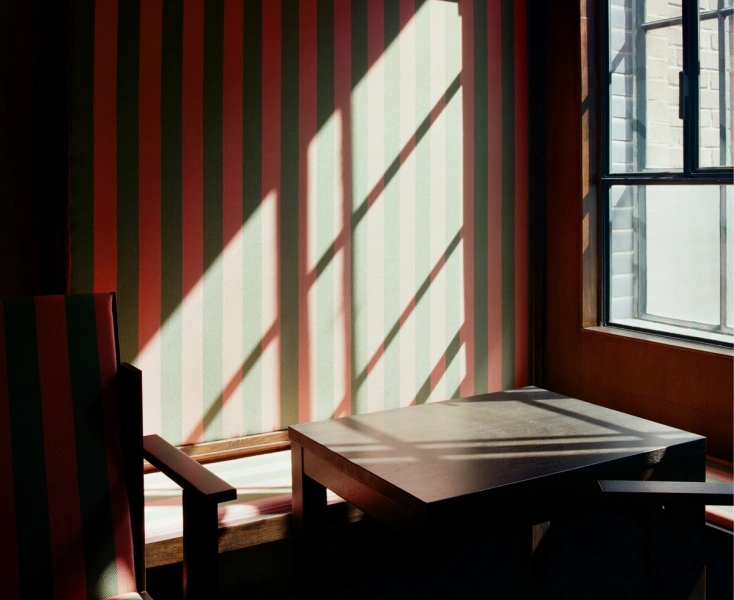
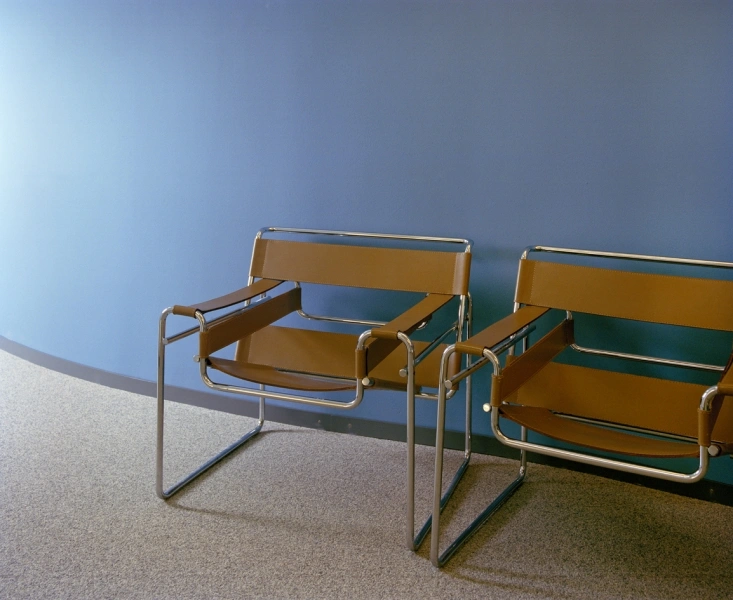
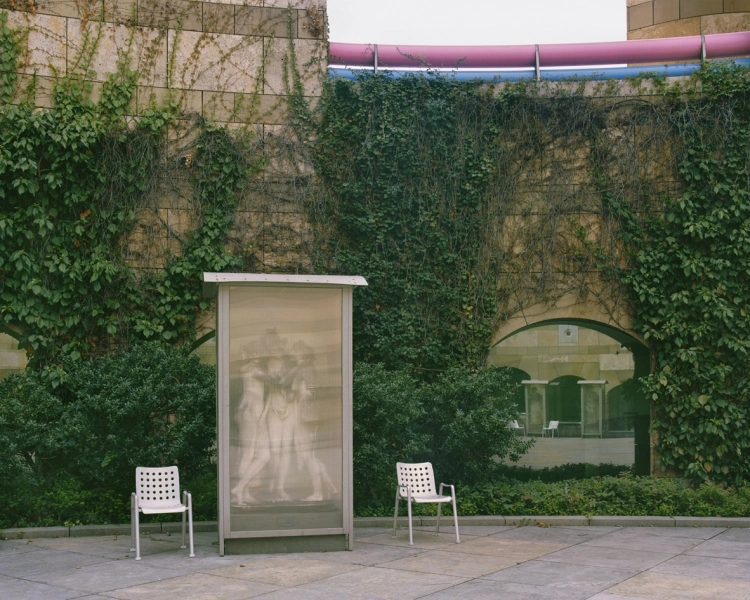
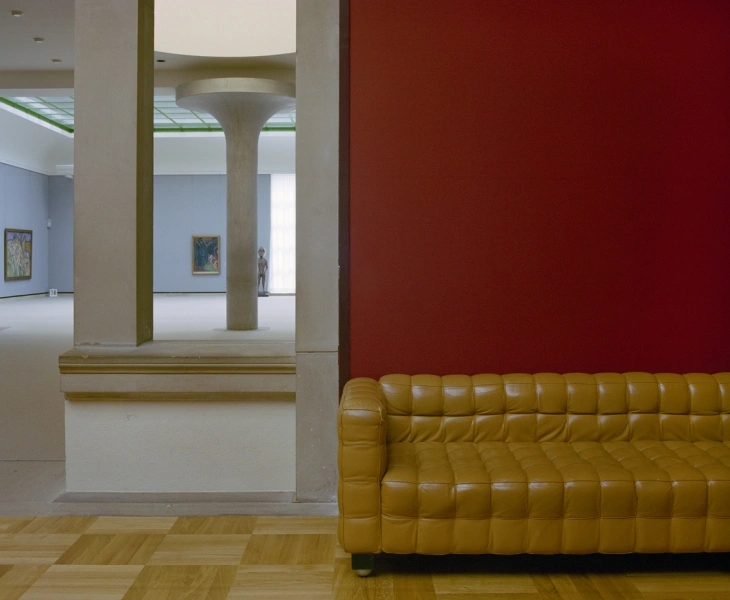
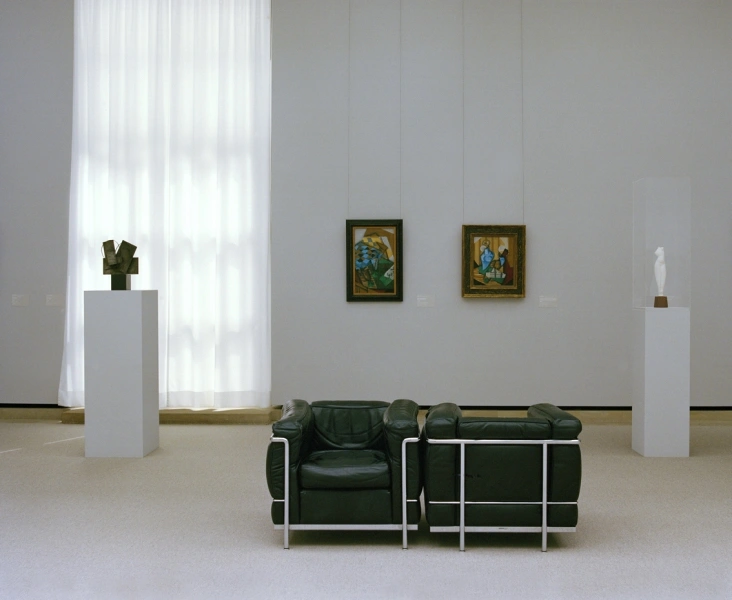
As a synthesis which unites architecture and art Stirling has also chosen the furnishings of the museum which are integrated in the design of the building. The series Reposer shows the different seats in the museum to be consistent with the eclectic architecture of the Neue Staatsgalerie Stuttgart.

Text by Christiane Fiebig

Acquired by The Staatsgalerie Stuttgart

01 From the Series: Reposer, c-print, 30 x 40 cm

02 From the Series: Reposer, c-print, 30 x 40 cm

03 From the Series: Reposer, c-print, 30 x 40 cm

04 From the Series: Reposer, c-print, 30 x 40 cm

05 From the Series: Reposer, c-print, 30 x 40 cm

06 From the Series: Reposer, c-print, 40 x 30 cm

07 From the Series: Reposer, c-print, 40 x 30 cm

08 From the Series: Reposer, c-print, 30 x 40 cm

09 From the Series: Reposer, c-print, 30 x 40 cm

10 From the Series: Reposer, c-print, 30 x 40 cm

11 From the Series: Reposer, c-print, 40 x 30 cm

12 Staatsgalerie Stuttgart IX, 2016, c-print, 160 x 130 cm

13 Staatsgalerie Stuttgart I, 2016, c-print 160 x 130 cm

Series of 18 analog photographs, diasec and c-prints, different sizes, edition of 5 + 2 A.P.

The images in the series „Cotton and Capital – Le Corbusier in India“ are a contiuation of the work »Après une Architecture« that was shown two years ago in Archiv Massiv. In the last four years I have followed the Architecture ofLe Corbusier in France and Germany and I´m now exhibiting photographs of his buildings from India. The title „Cotton and Capital“ refers to the function of the different buildings in the cities of Ahmedabad and Chandigarh. In 1954 the architect designed the building for the „Ahmedabad Textile Mill Owners Association“, also know as ATMA by the citizens. Coincidentally „Atma“ is also the name for the soul in Sanskrit language. One of the most important Mill Owners in India is the Sarabhai family who comissioned a private villa by Le Corbusier, known as Sarabhai House. „Capital“ refers to Chandigarh which was built as the new seat of governement for the north indian state of Punjab. The capital was based on the plans of Le Corbusier in the nineteen-fities. The government buildings of the HighCourt, Secretariat and Assembly Hall are constructed from colourful raw concrete. Now in the 50th year since thedeath of Le Corbusier these buildings still stand as a monument to the architect in India.

01 High Court IV, Chandigarh, 2015 Diasec, 172 x 120 cm

02 Parliament I, Chandigarh, 2015, C-Print, 40 x 30 cm

03 ATMA I, Achmedabad, 2015, C-Print, 54 x 40 cm

04 ATMA III, Achmedabad, 2015, C-Print, 40 x 54 cm

05 ATMA I, Achmedabad, 2015, C-Print, 54 x 40 cm

06 High Court V, Chandigarh, 2014, Diasec, 173 x 131 cm

07 High Court II, Chandigarh, 2015, Diasec, 100 x 134 cm

08 ATMA V, Achmedabad, 2015, Diasec, 137 x 100 cm

09 Assembly Hall I, Chandigarh, 2015, C-Print, 54 x 40 cm

Series of 56 photograph, different sizes, digital prints and projection

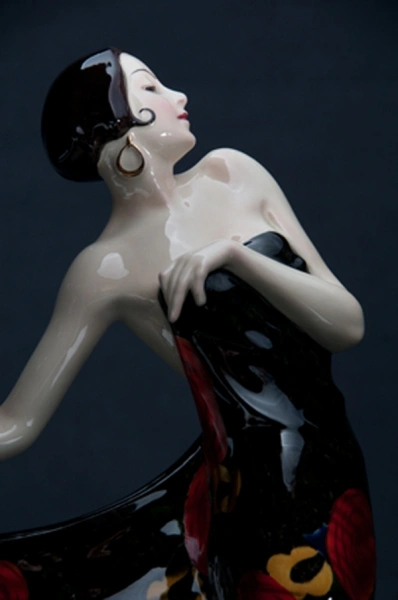
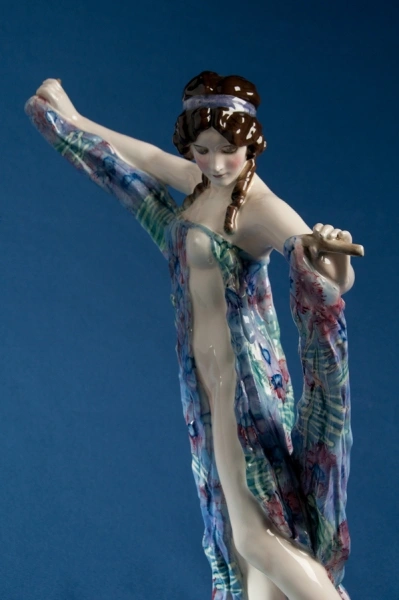
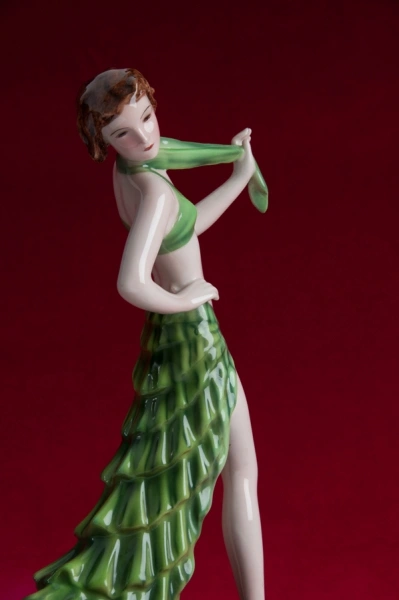
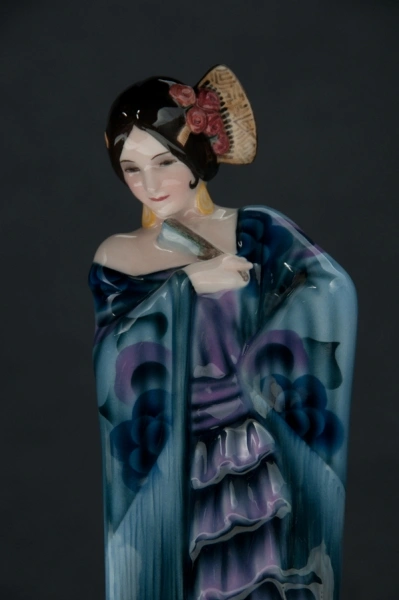
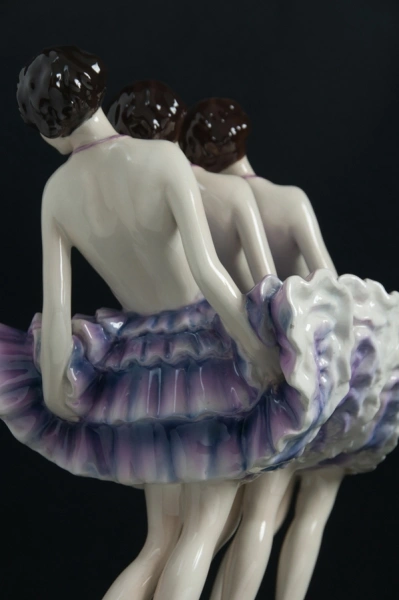
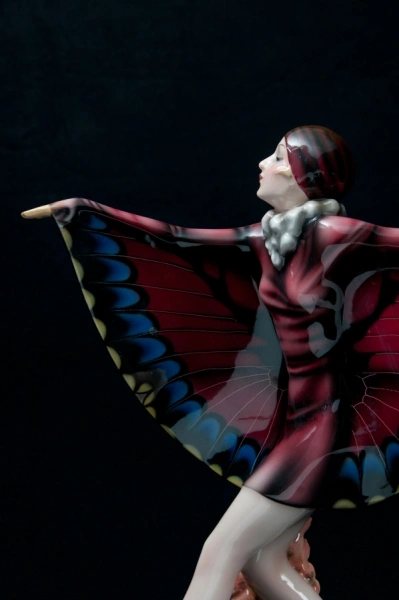
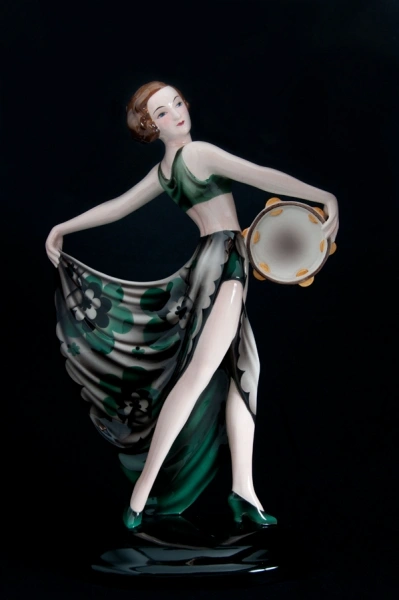
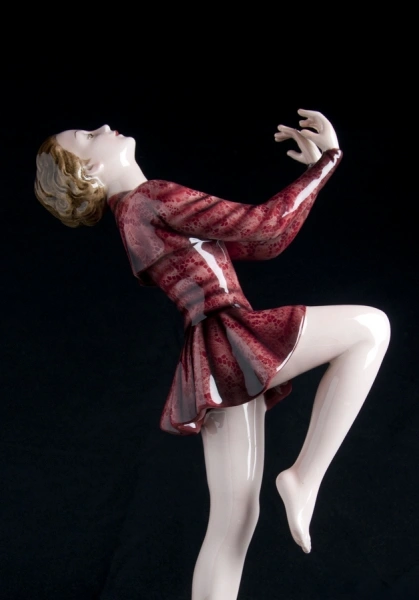
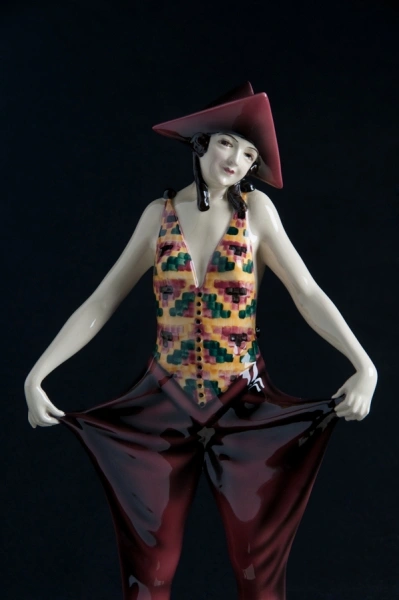
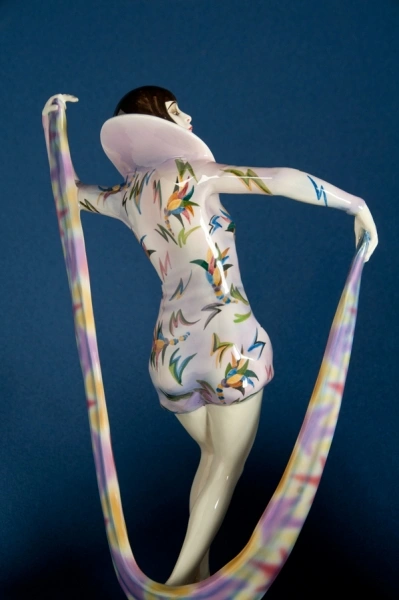
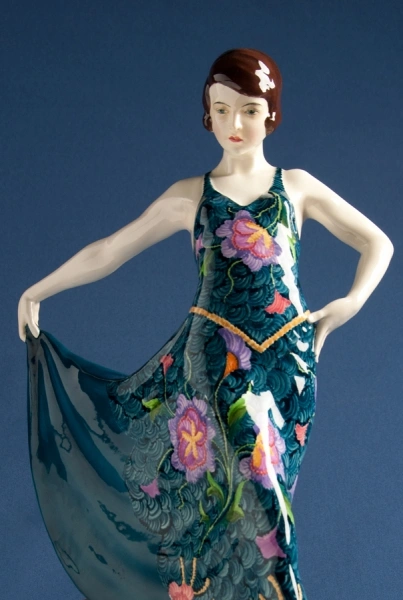
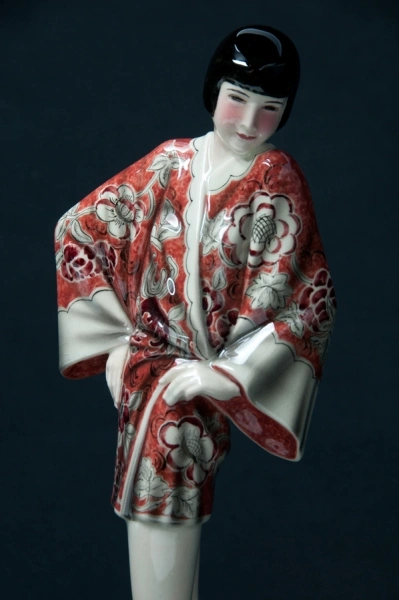
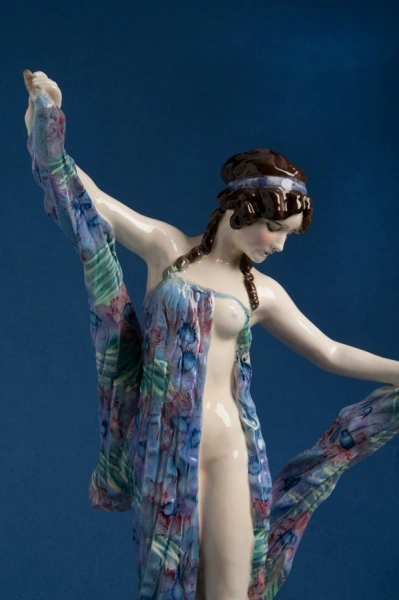
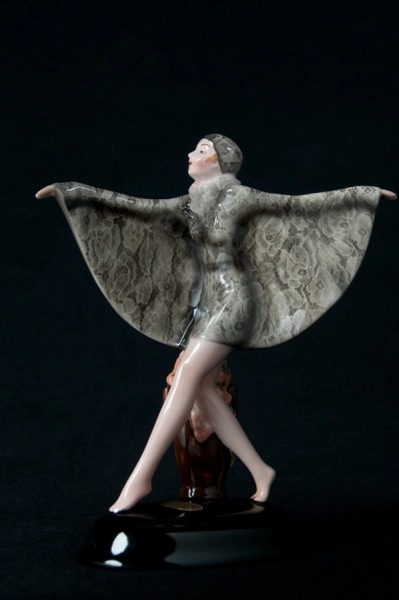
Commission for the Grassi Museum for Applied Art in Leipzig with photographs of figures by the brand Goldscheider from the Collection Peter Kaus. On the occasion of the exhibition a catalogue was published.

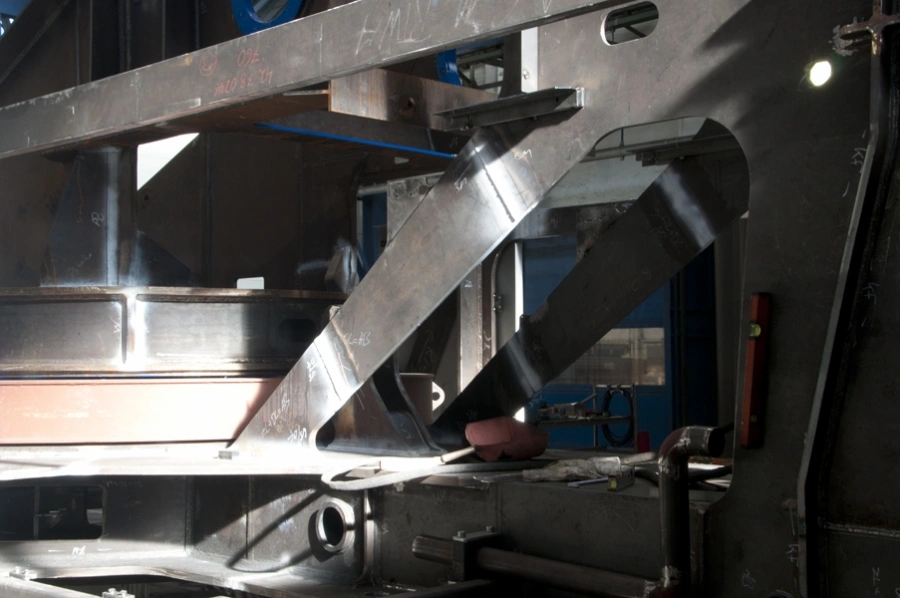
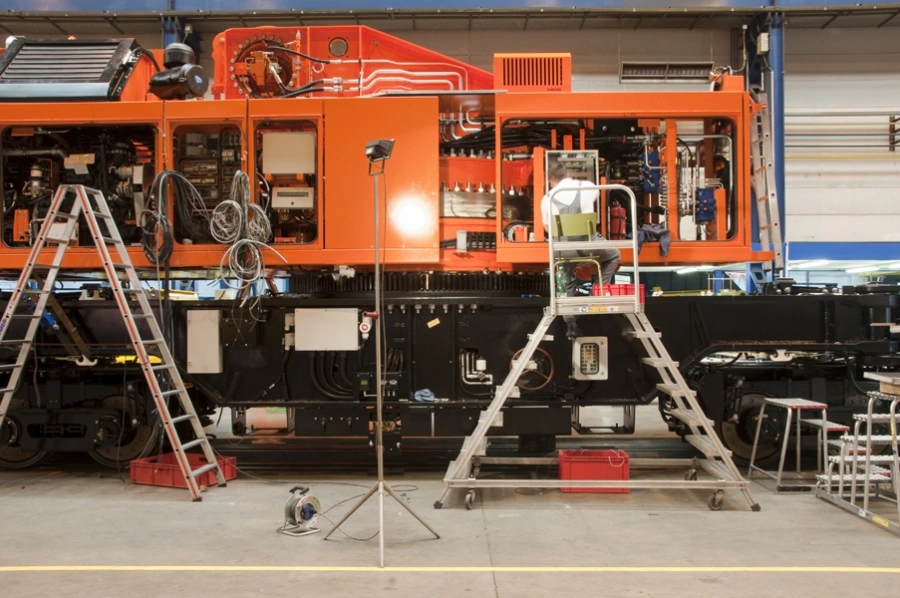
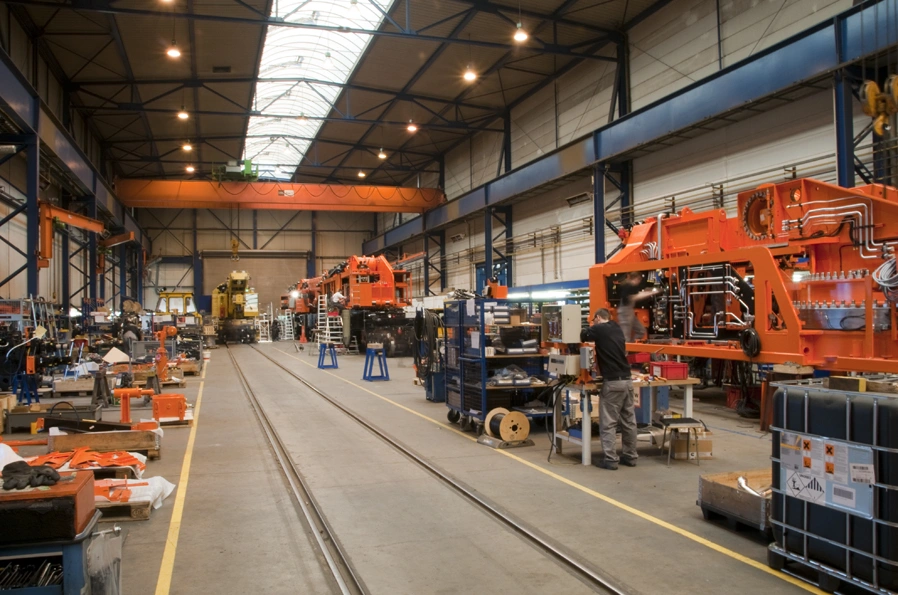
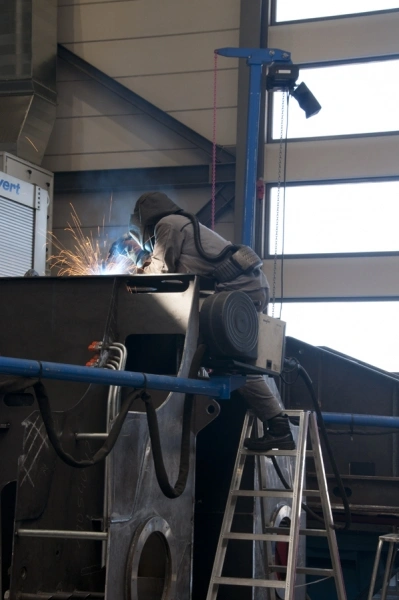
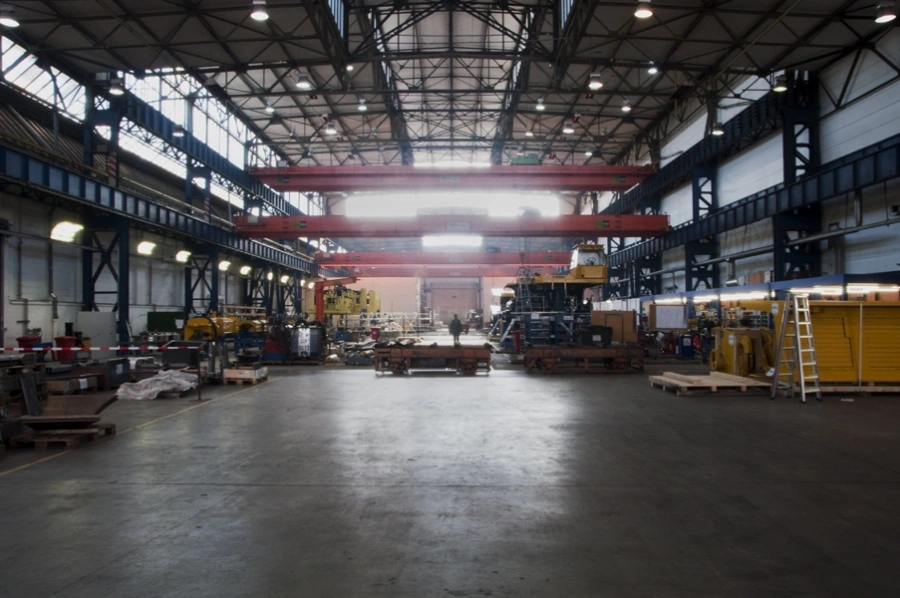
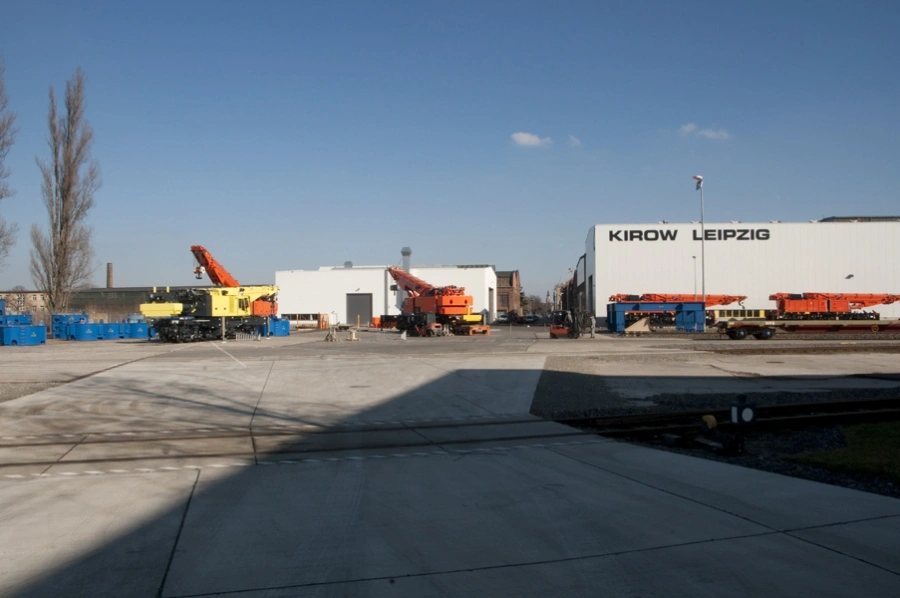
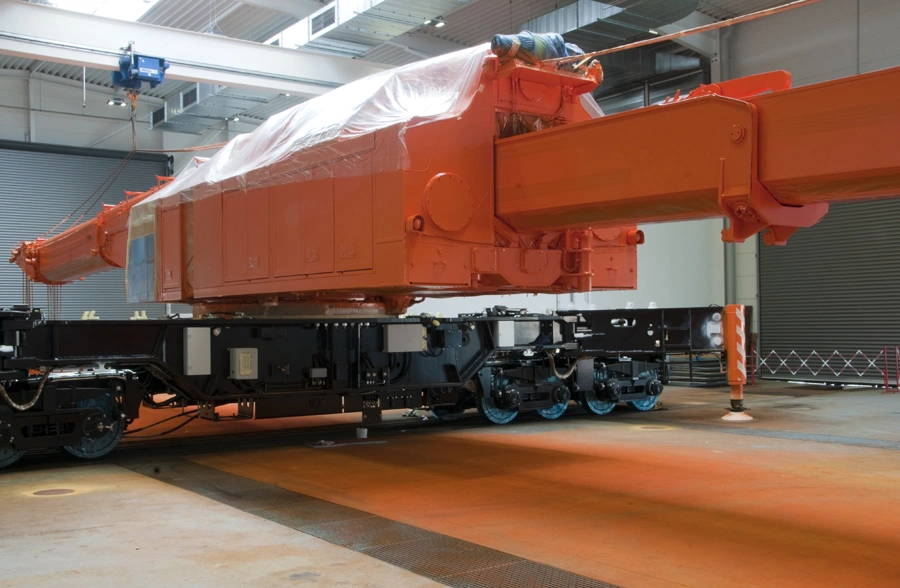
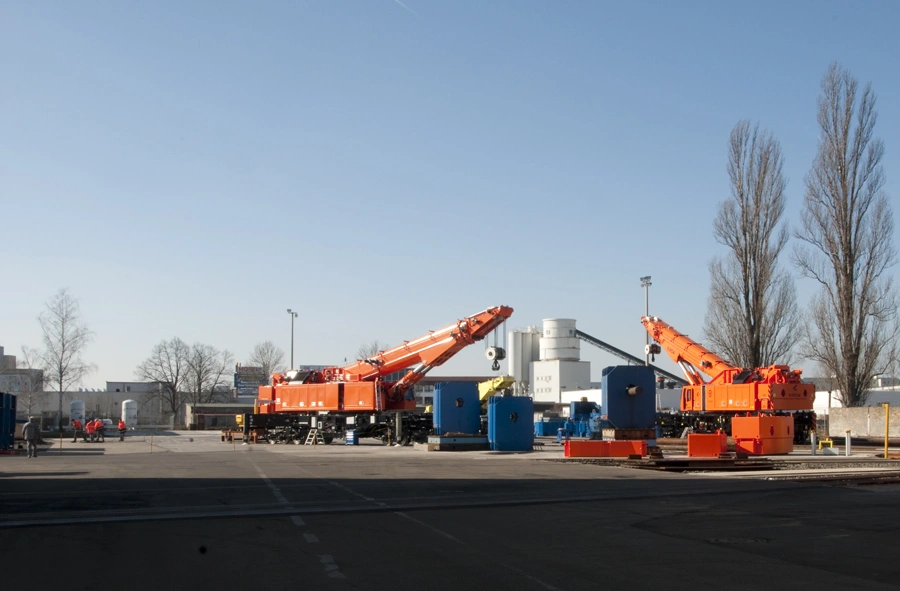
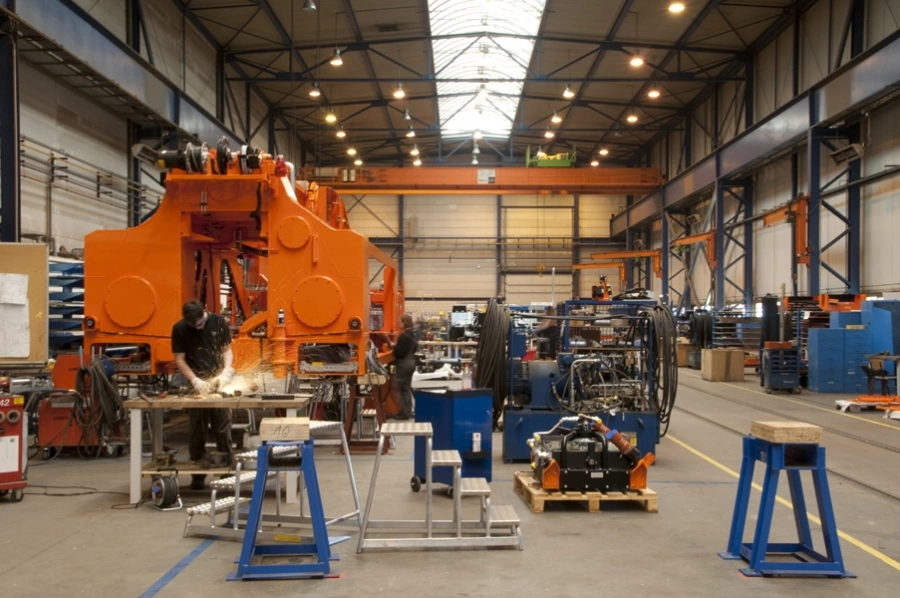
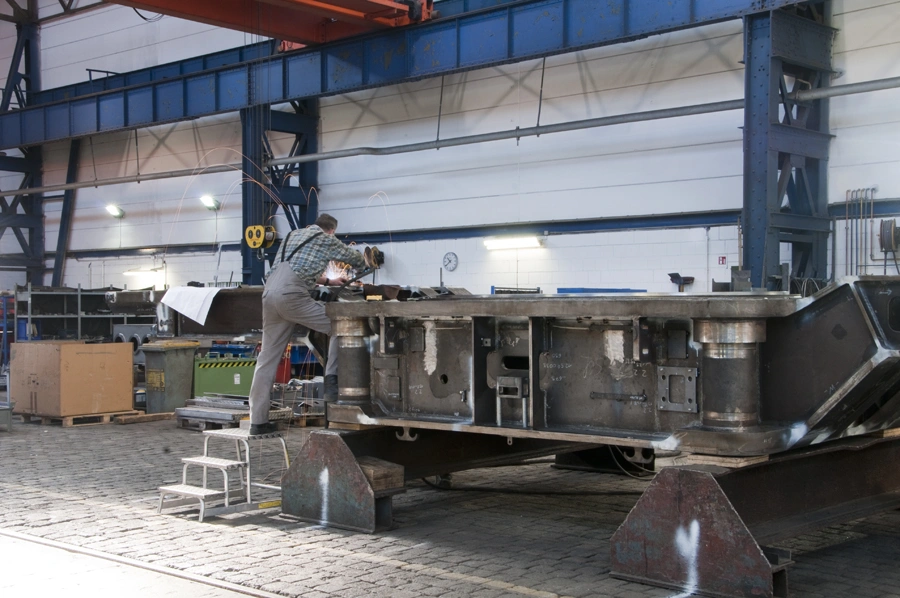
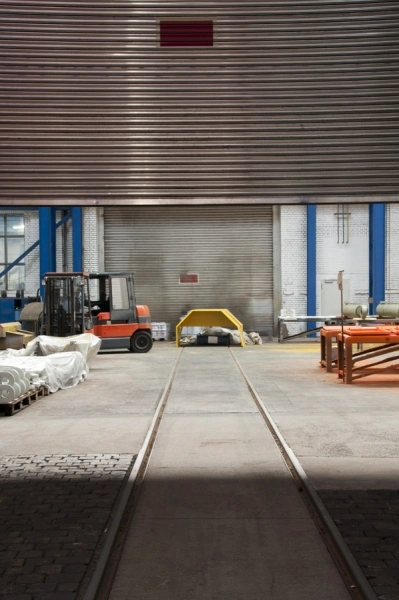
Commission for Kirow Ardelt GmbH, the world market leader for railway cranes and slag pot carriers.
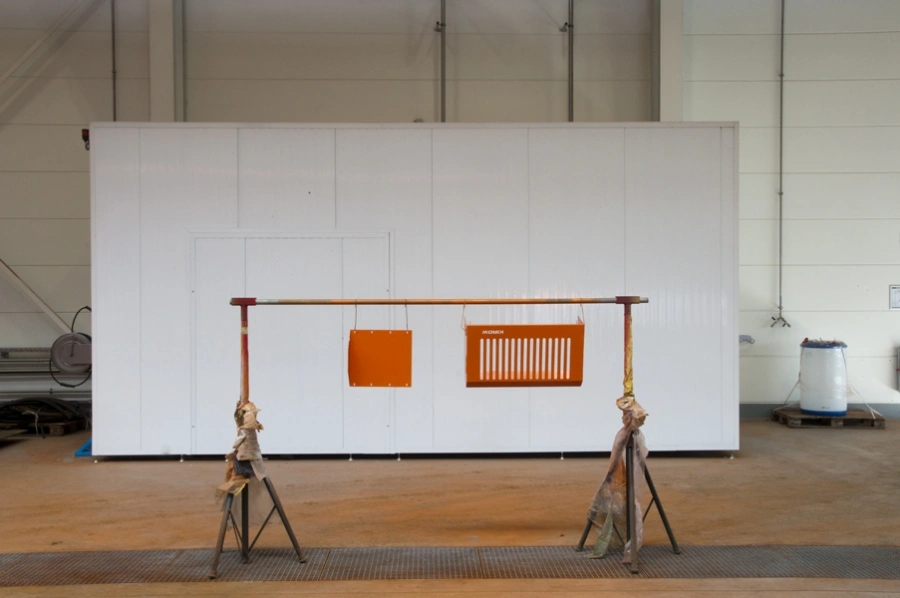
Pictures of the several stages of the railway crane production were created for booklets and trade shows.

Series of 42 Analog Photographs, Diasec, 50 x 60 cm


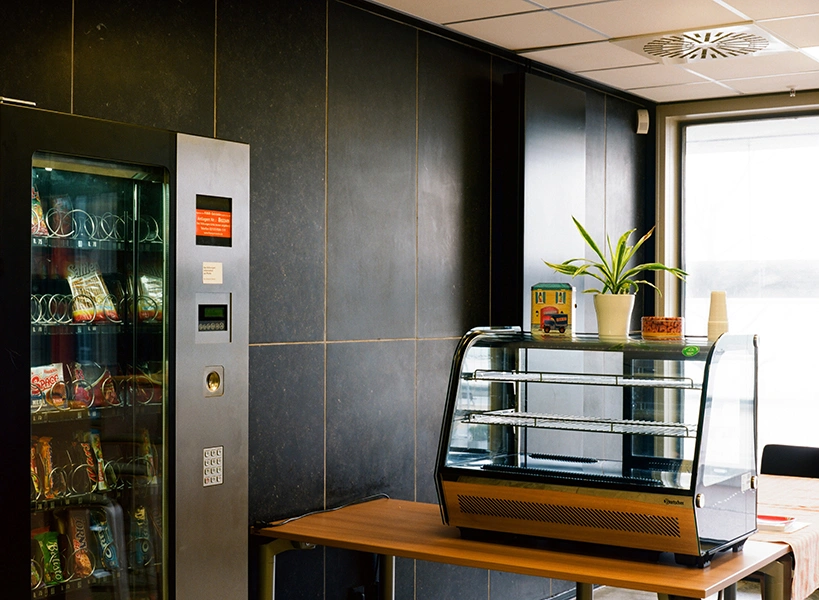
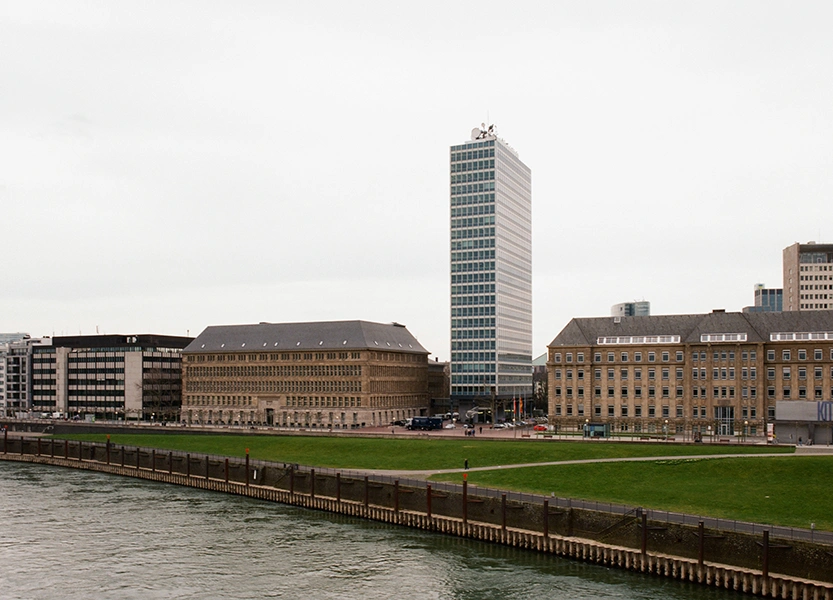
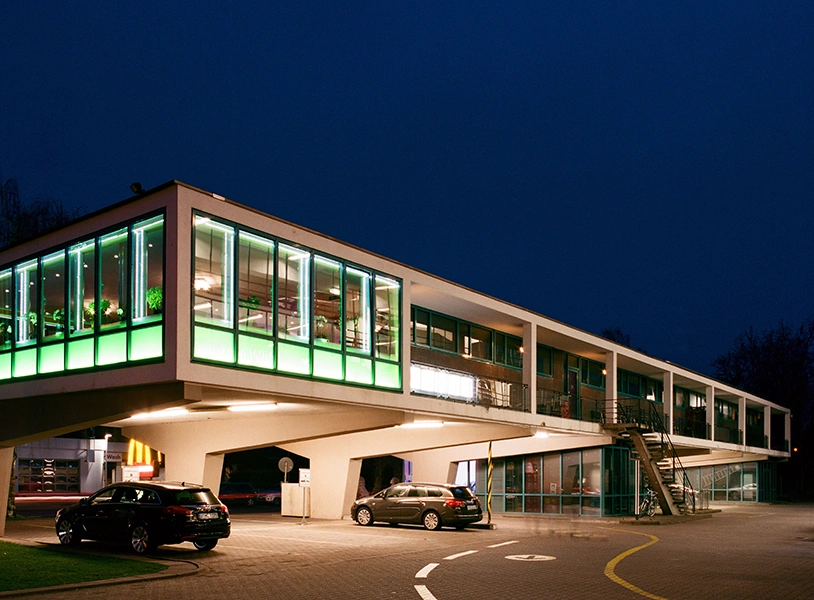
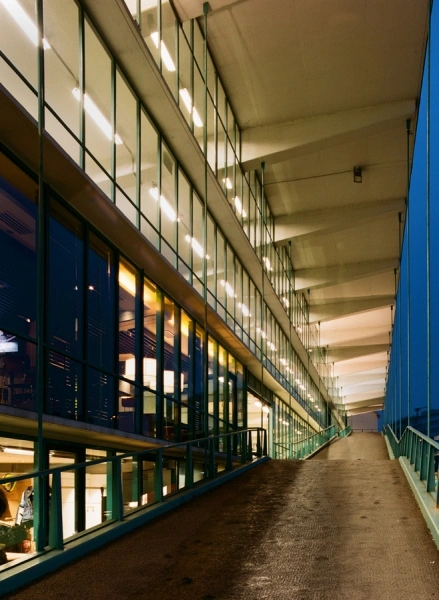
Commission for the architecture museum of the TU München in honor of the 100th birthday of Paul Schneider-Esleben. Exhibition at the Pinakothek der Moderne, Munich and publication of the catalogue by Hatje Cantz Verlag 2015.

01 Flughafen Köln-Bonn VIII, 2015

02 Stadtsparkasse Wuppertal III, 2015

03 Stadtsparkasse Wuppertal I, 2015

04 Gymnasium der Benediktiner I, Meschede, 2015

05 Rolandschule II, Düsseldorf, 2015

06 Rolandschule IV, Düsseldorf, 2015

07 Rolandschule I, Düsseldorf, 2015

08 Mannesmann Hochhaus IV, Düsseldorf, 2015

09 Mannesmann Hochhaus IV, Düsseldorf, 2015

10 Mannesmann Hochhaus I, Düsseldorf, 2015

11 Haniel Garage VI, Düsseldorf, 2015

12 Haniel Garage I, Düsseldorf, 2015

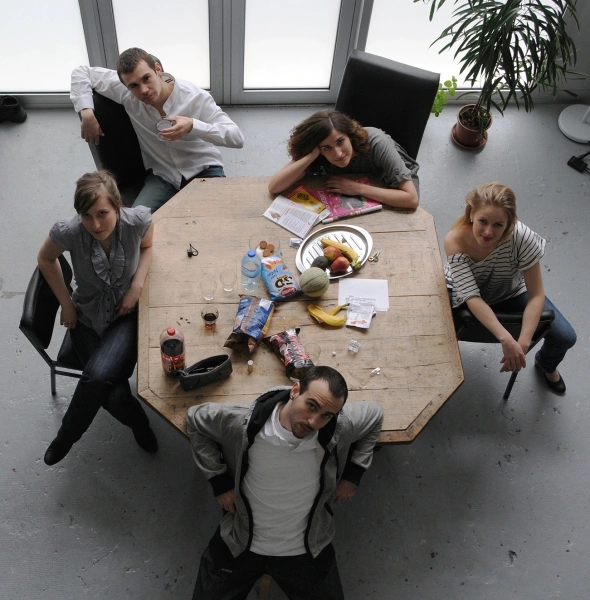
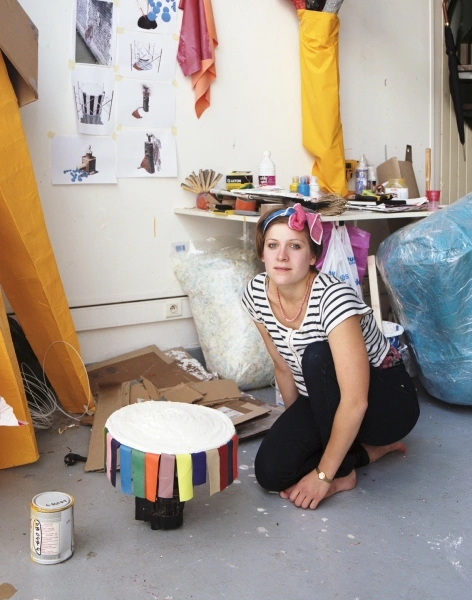
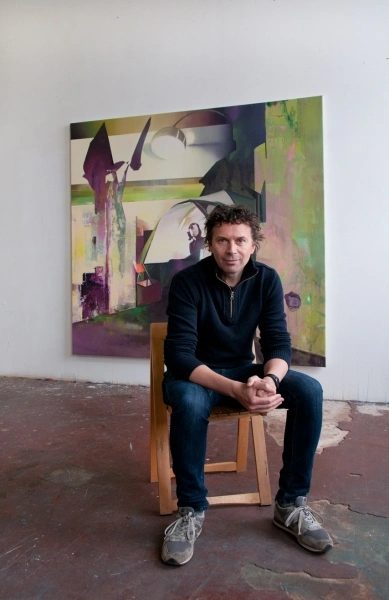
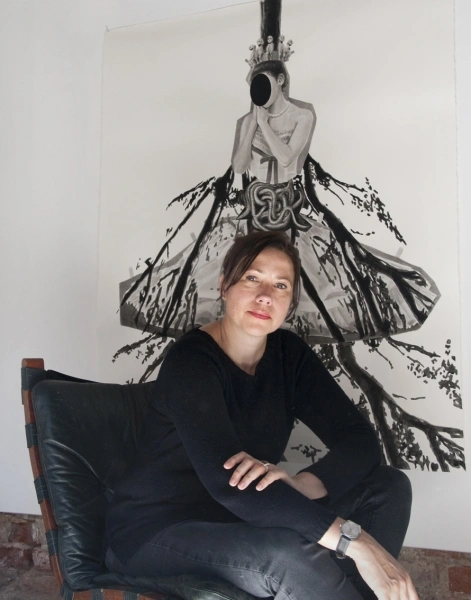
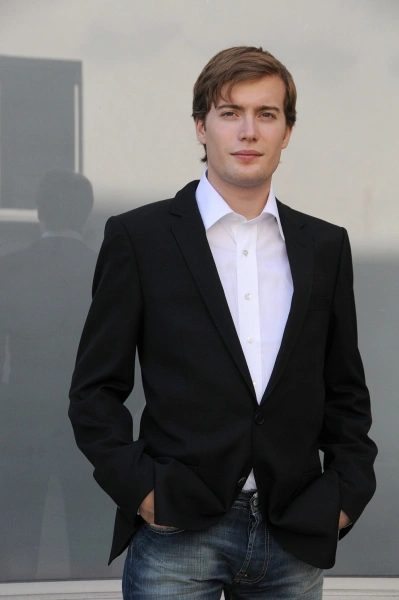
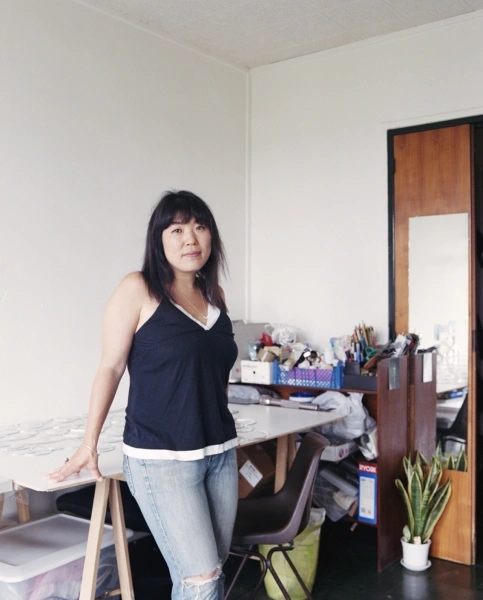
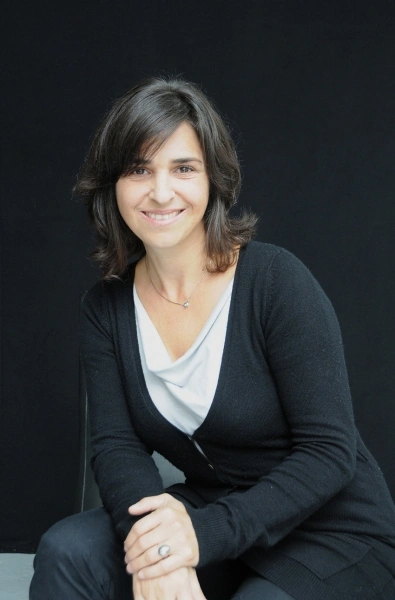
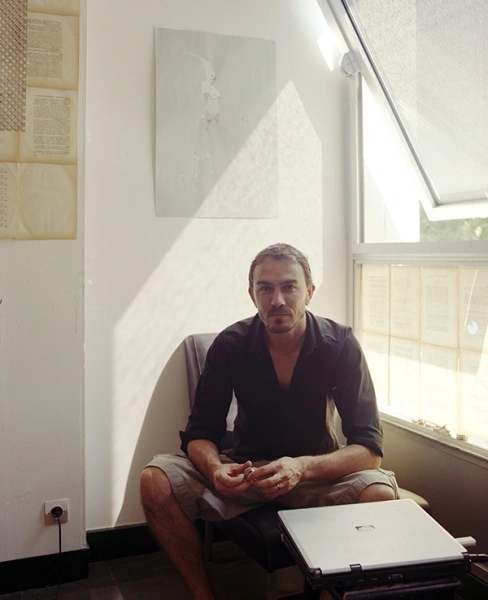
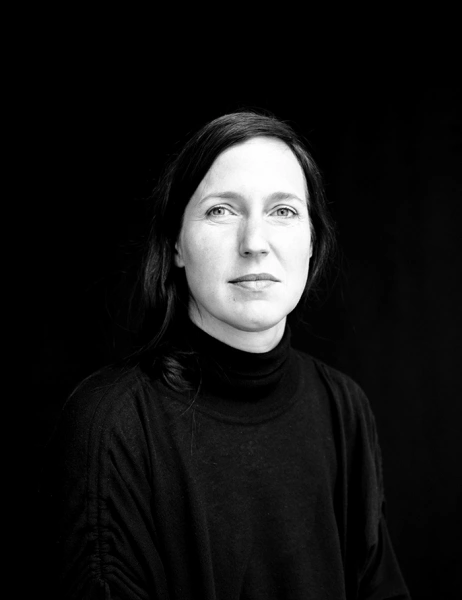
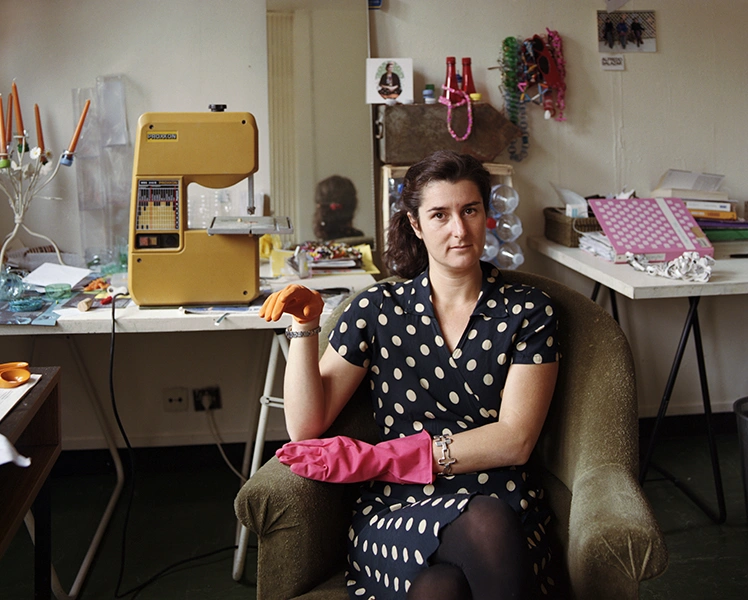
Image and Portfolio Portraits for People from the Arts, Music, Fashion Szene and other disziplines in the creative world.

01 Benjamin Demeyere, Painter, 2010

02 Brussels Vocals Project, Paris, 2010

03 Candida, Artist, Paris, 2010

04 David Ralph, Painter, Leipzig, 2014

05 Irene Wellm, Painter, Leipzig, 2014

06 Johannes X Schachtner, Komponist, Paris, 2010

07 Kazue, Artist, Paris, 2010

08 Nathalie Tremblay, Pianistin, Paris, 2010

09 Mathias Senkel, Schriftsteller, Leipzig, 2013

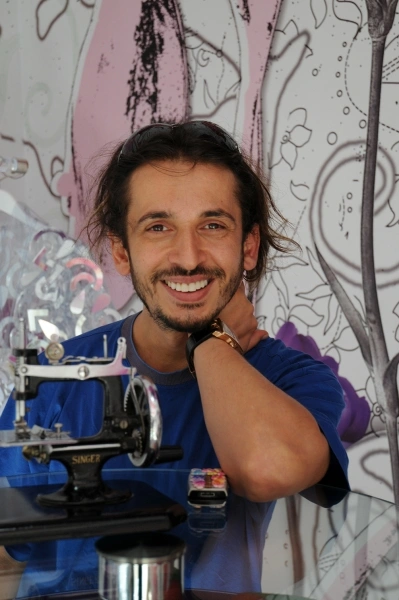
10 Tanju Babacan, Designer, Istanbul, 2008

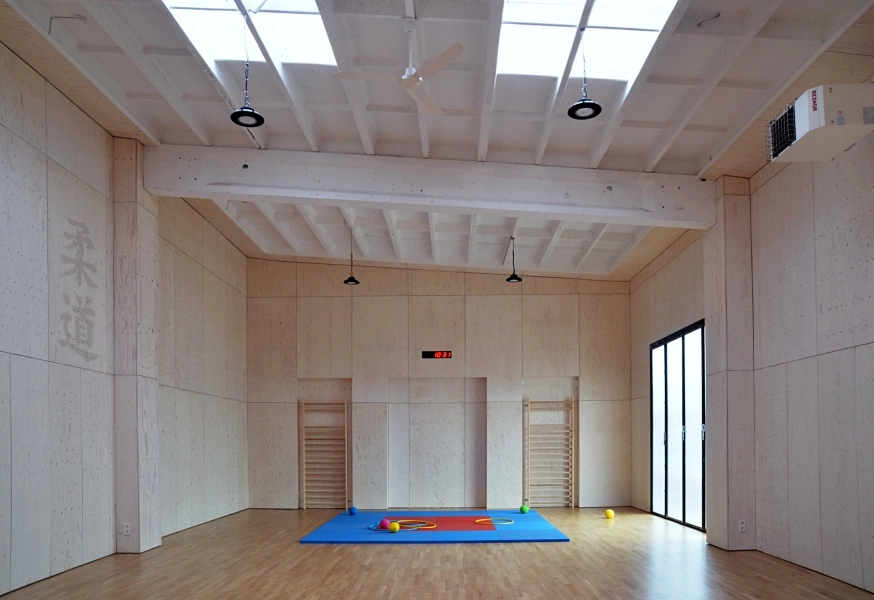
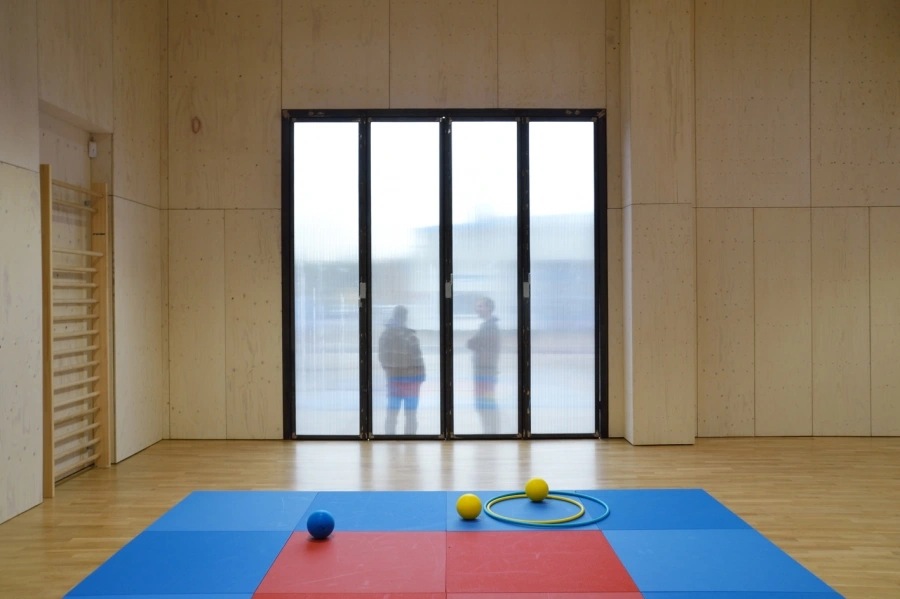
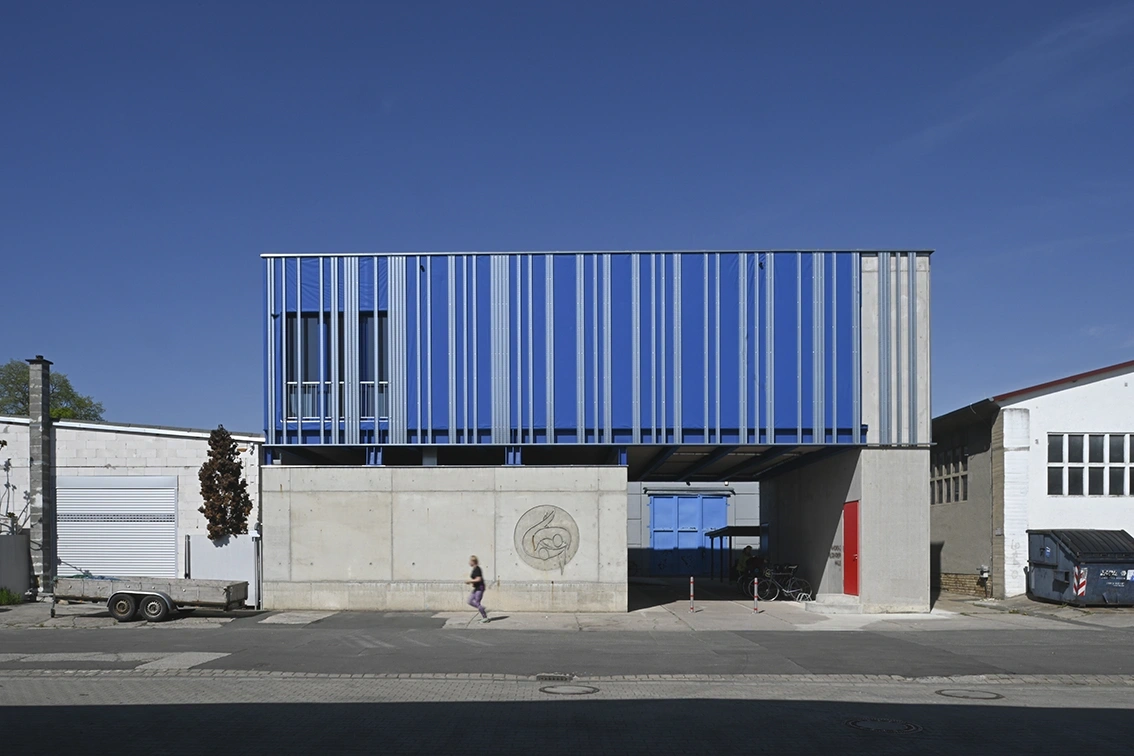
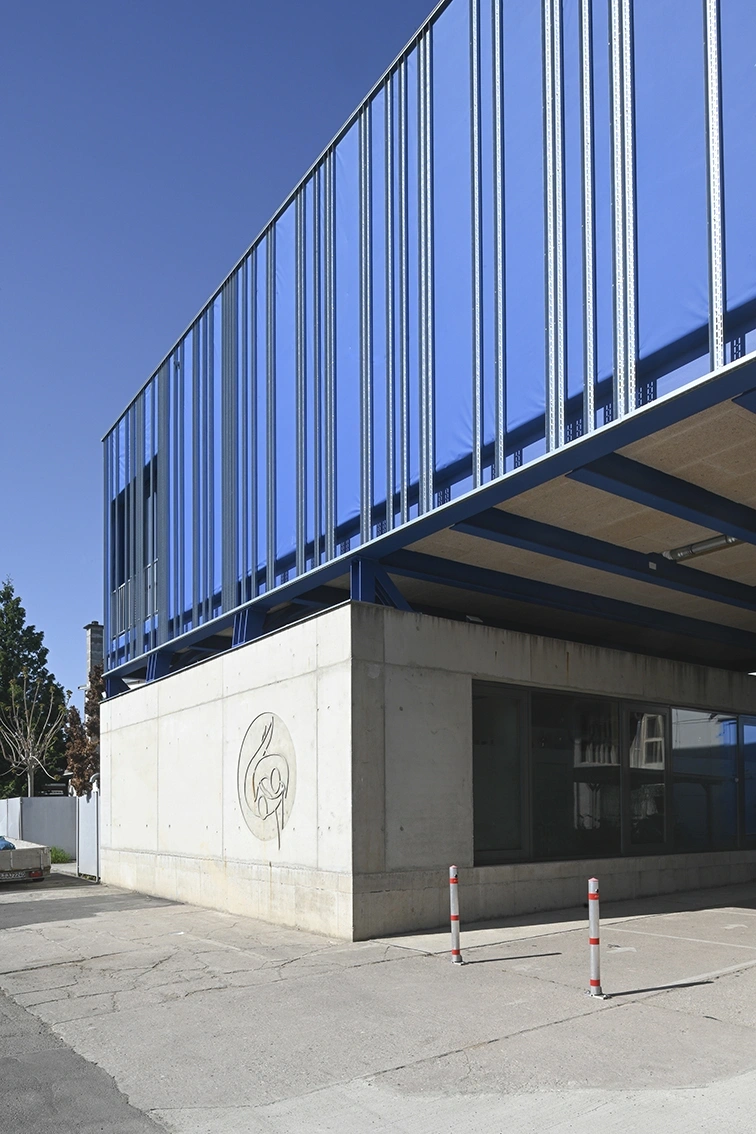
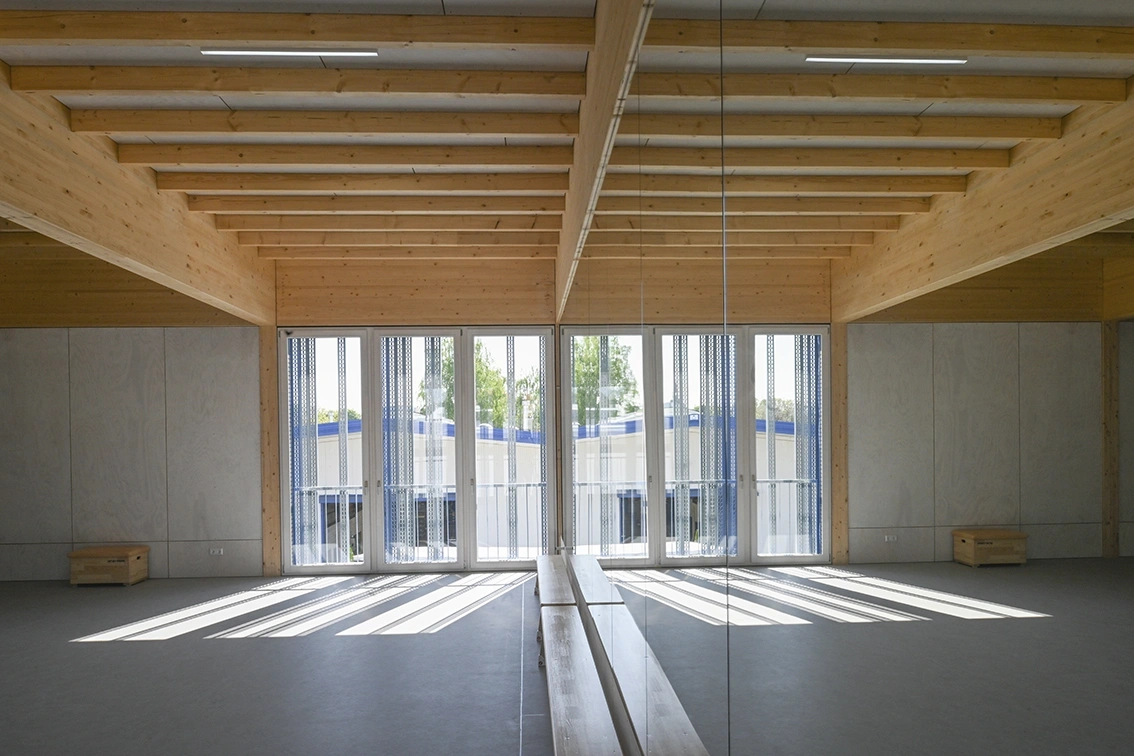
Photographs were taken of the first construction phase of a new judo hall in Holzhausen/Leipzig, designed by the architectural firm Schoener und Panzer. The project received the City of Leipzig’s Architecture Prize and an honorable mention as part of the Saxon State Prize for Building Culture.

Gewandhaus Magazine

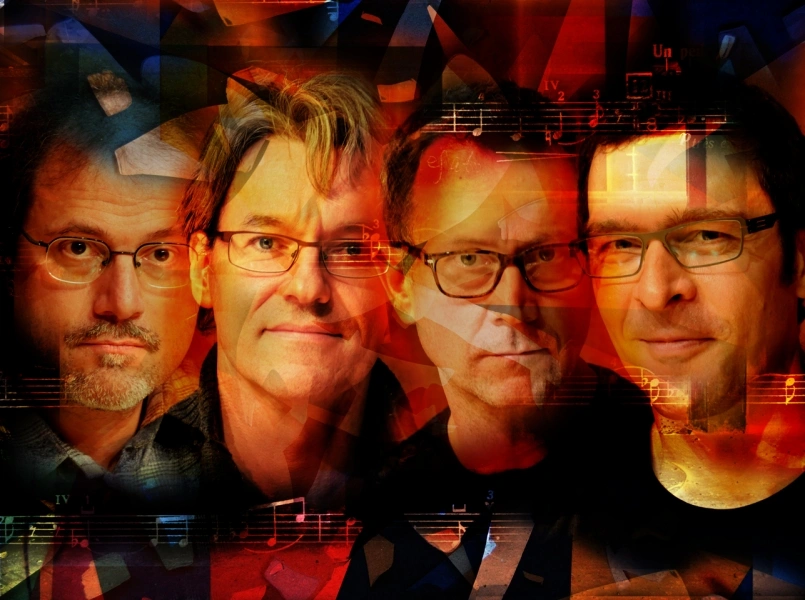
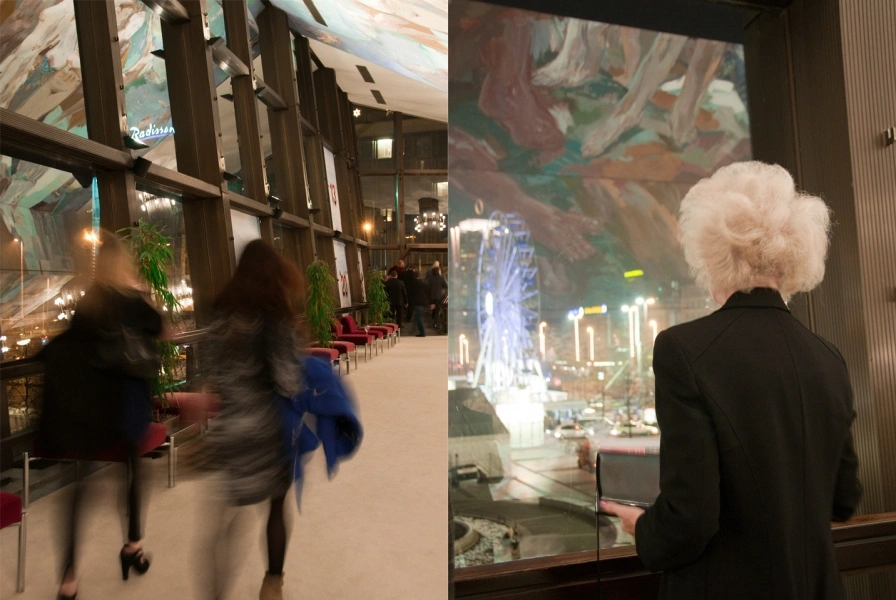
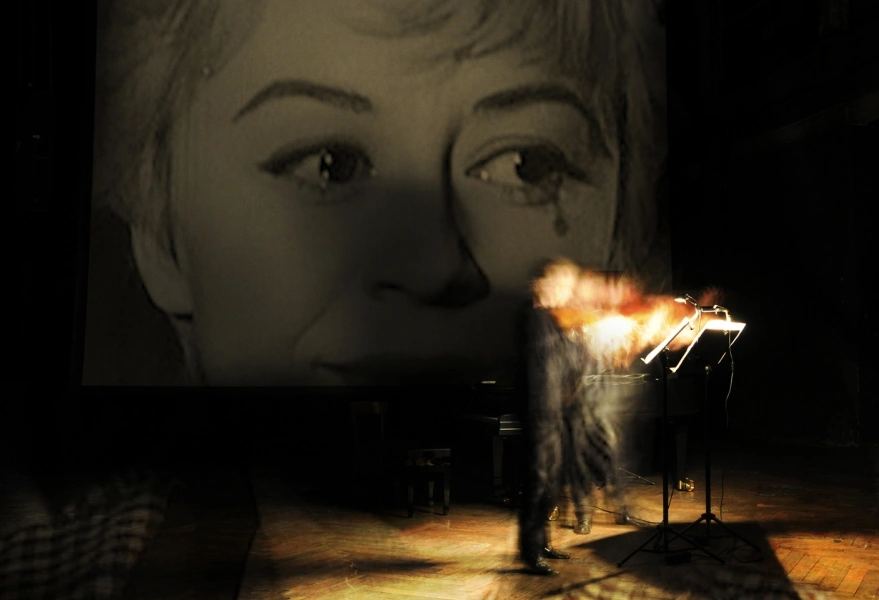
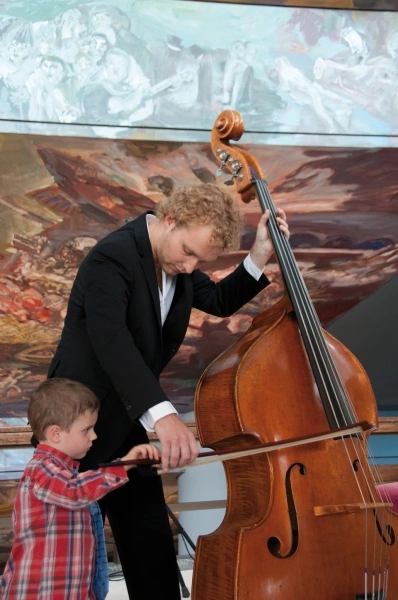
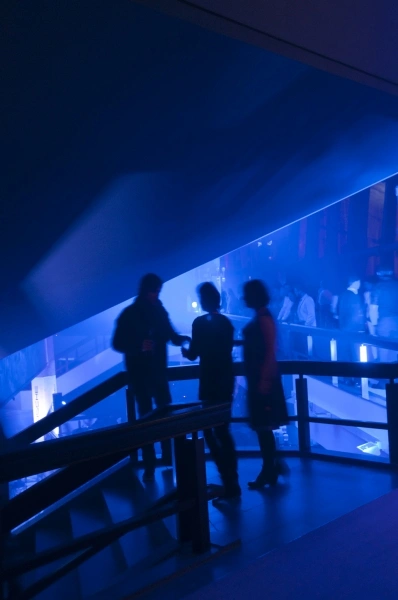
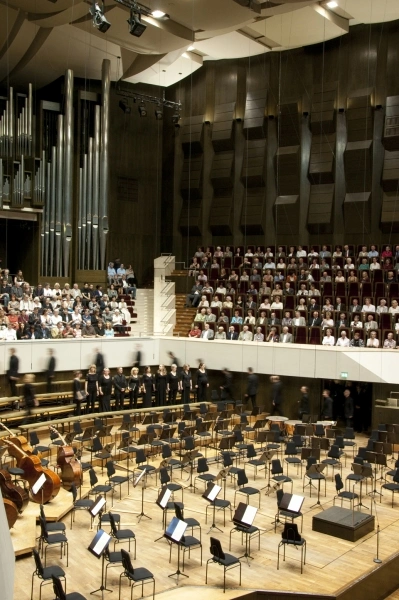
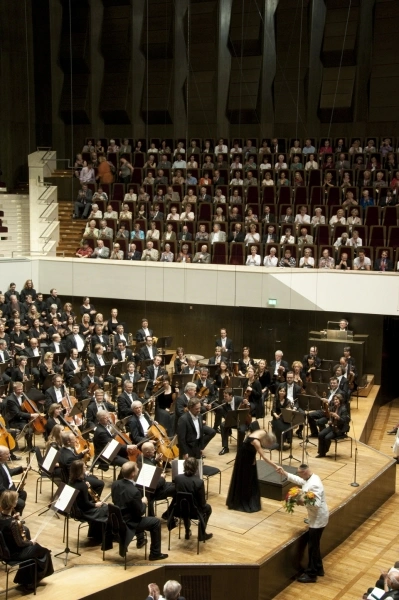
Commission for Gewandhaus Leipzig. In cooperation with the author Michael Sellger a double page was build with photographs and a text for the article "Bitte umblättern“ (Please turn the page) in the Gewandhaus Magazine.

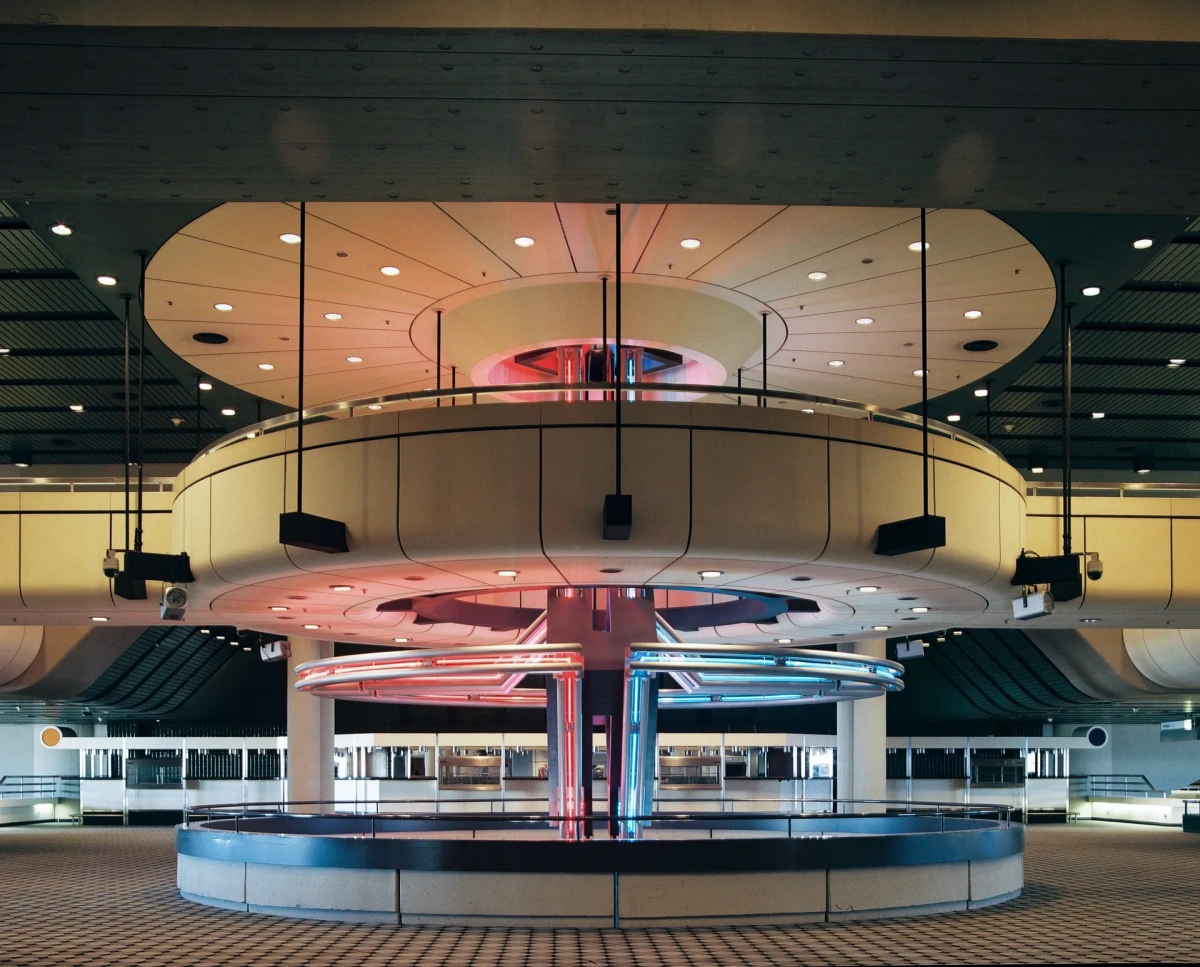
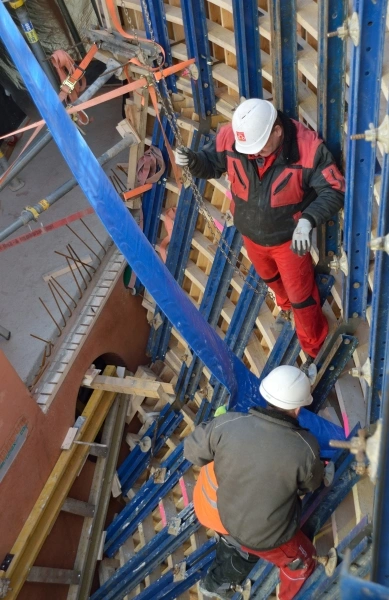
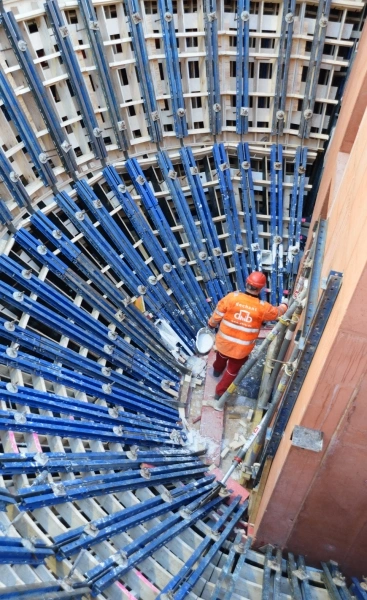
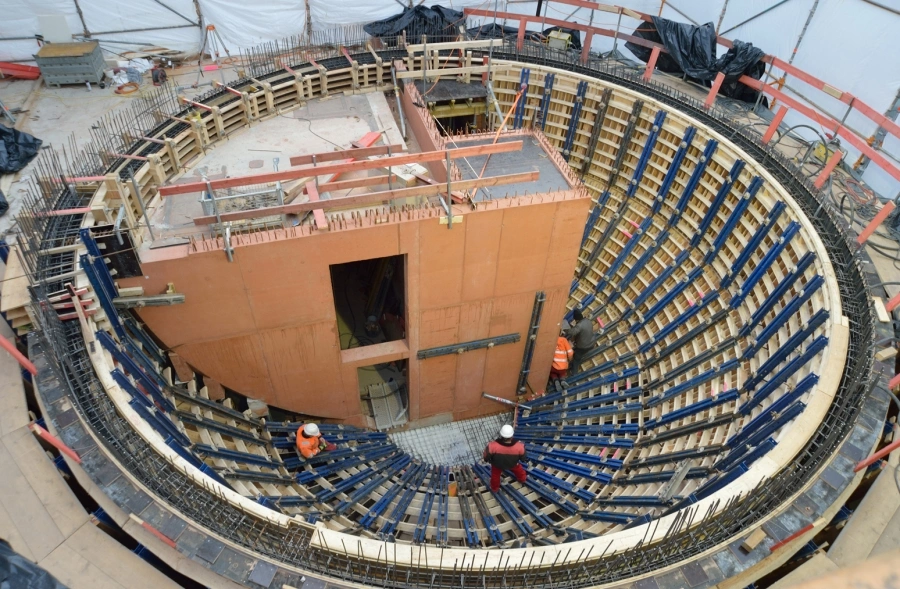
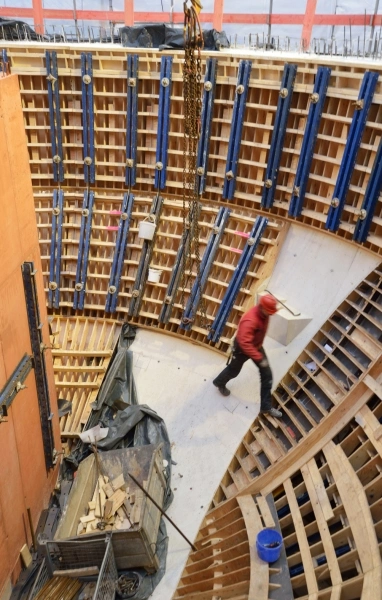
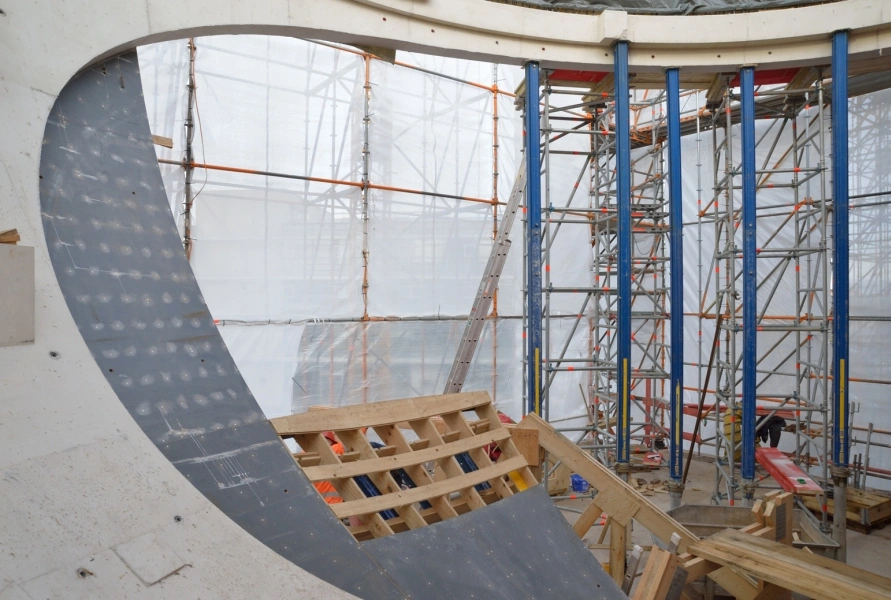
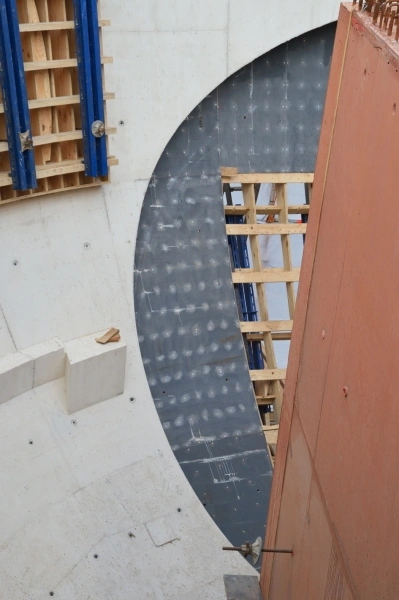
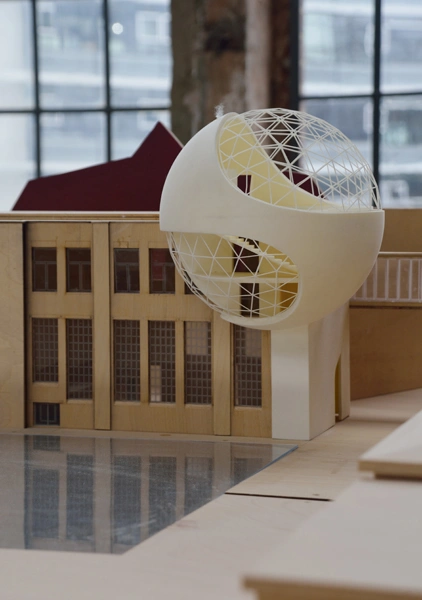
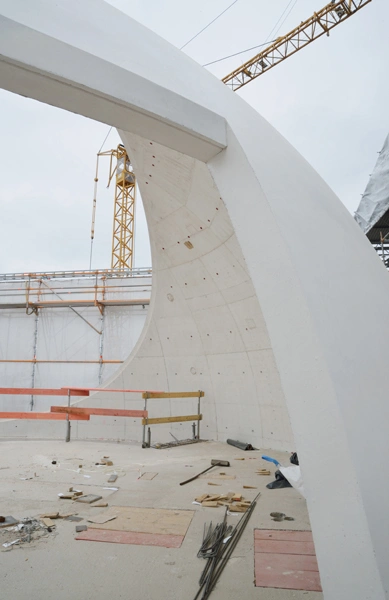
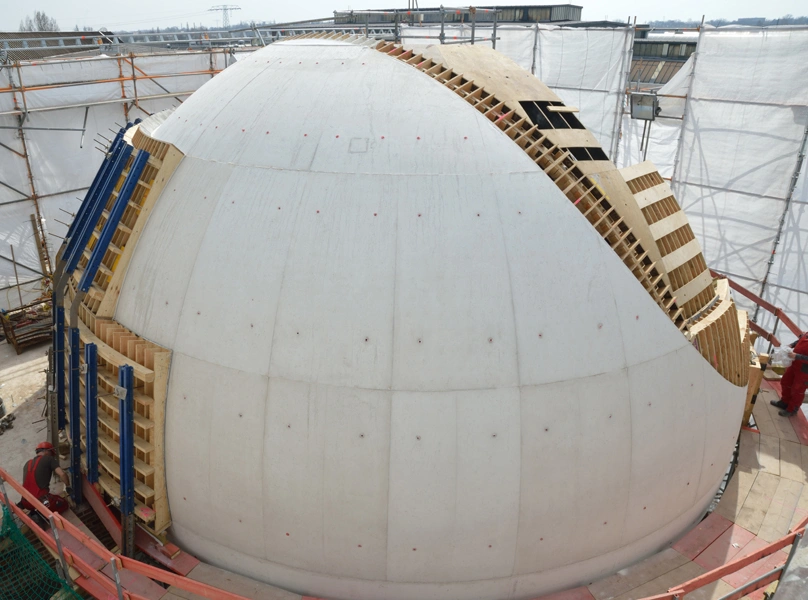
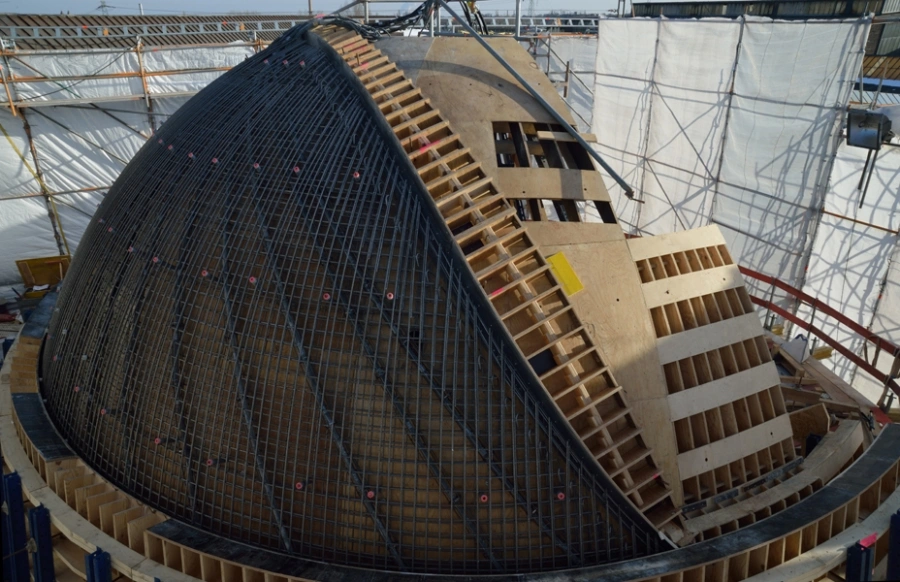
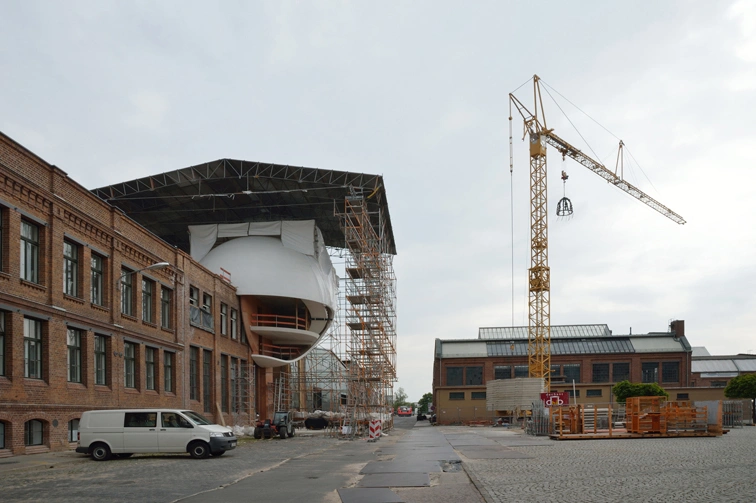
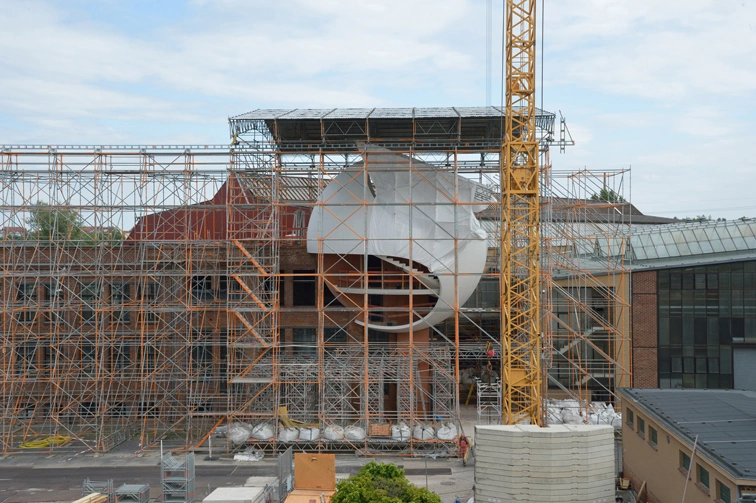
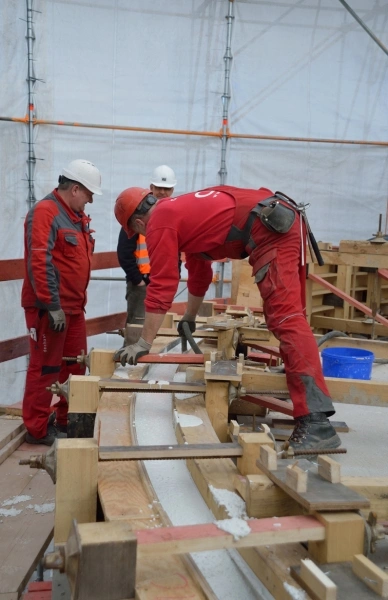
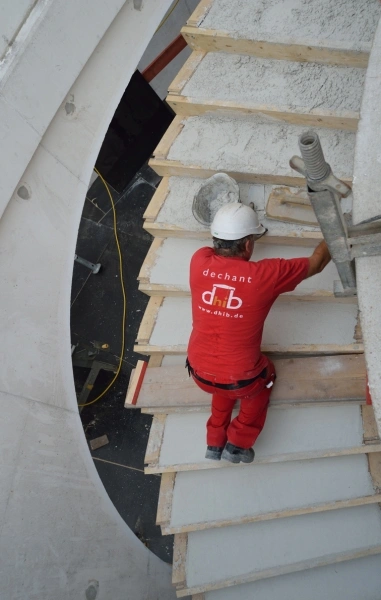
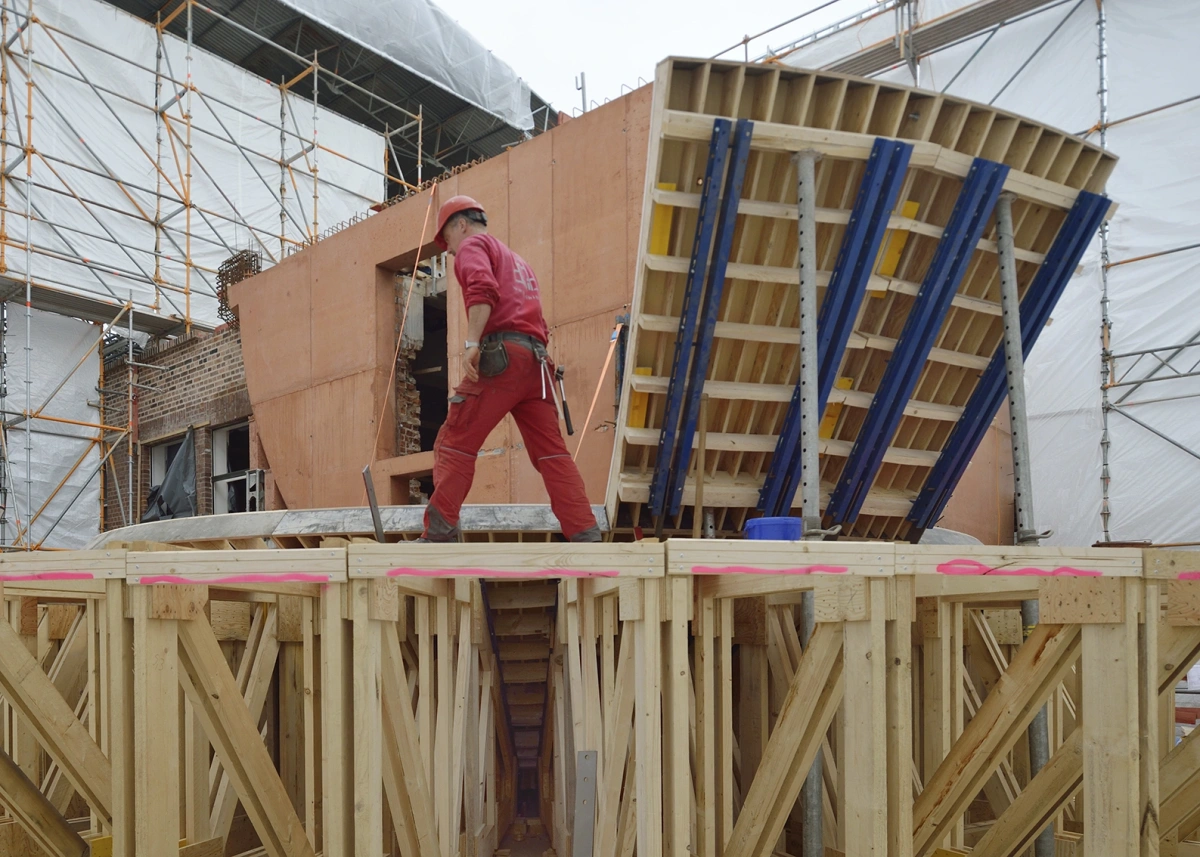
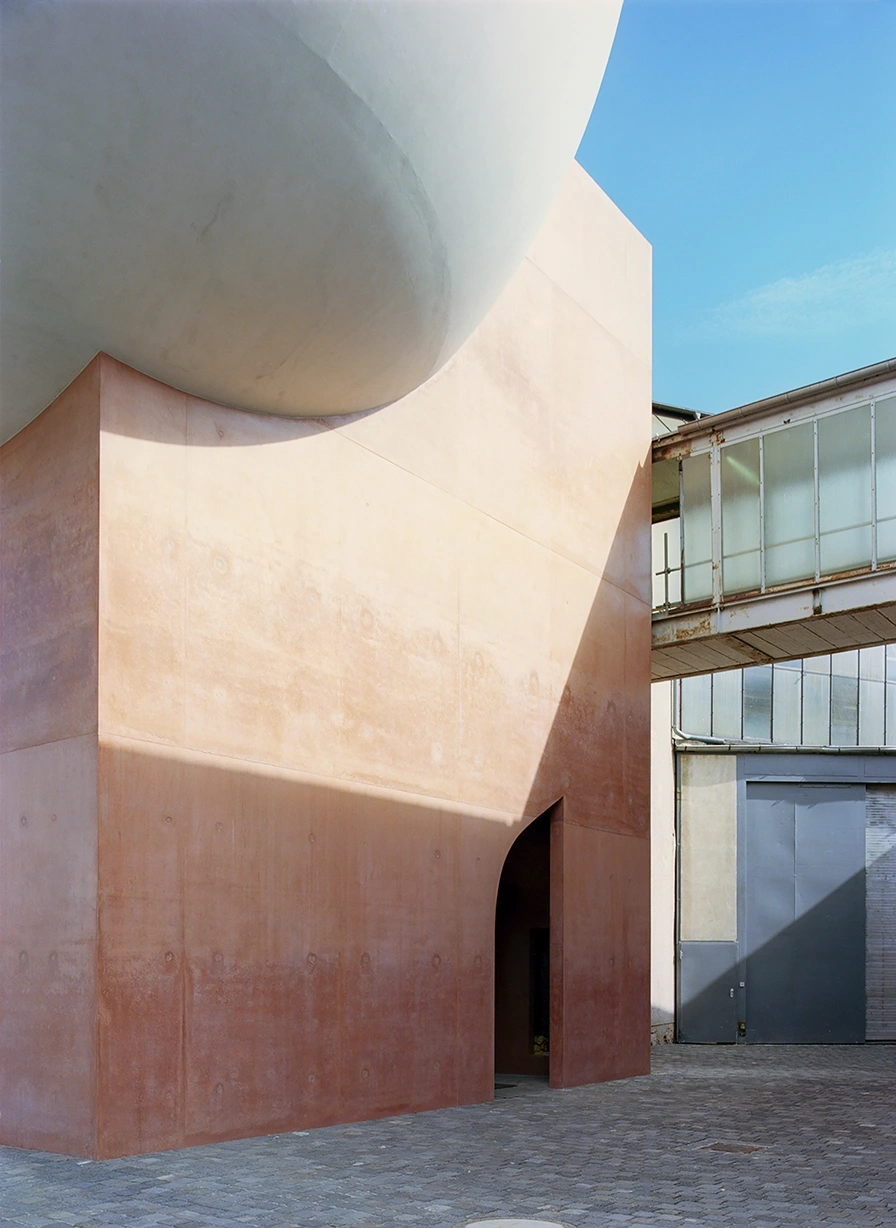
Shortly before his death the Brasilian architect Oscar Niemeyer designed a canteen for the Kirow Werke in Leipzig. In 2016 the construction of the canteen began in the shape of a sphere made of concrete which is set on the existing brick building. Commissioned by Techne Sphere Leipzig, I photographed the construction of the Niemeyer Sphere in Leipzig from the laying of the foundation stone in 2017 to its completion in 2020. Over the course of four years, I documented various stages of the project, including the formwork for the sphere, the installation of the windows, and the interior fit-out.

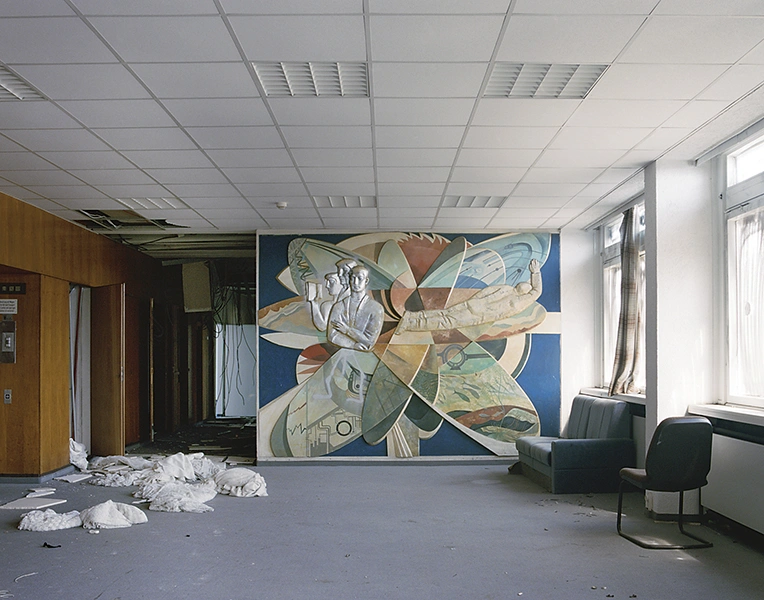
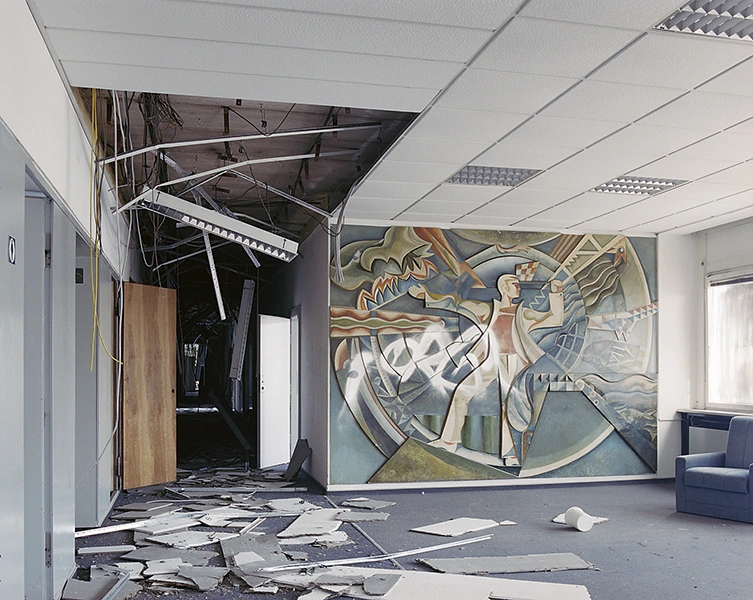
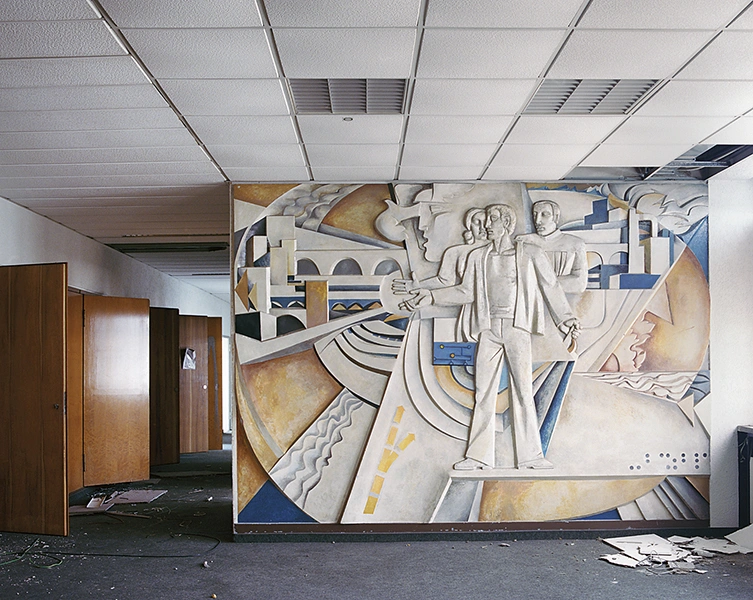
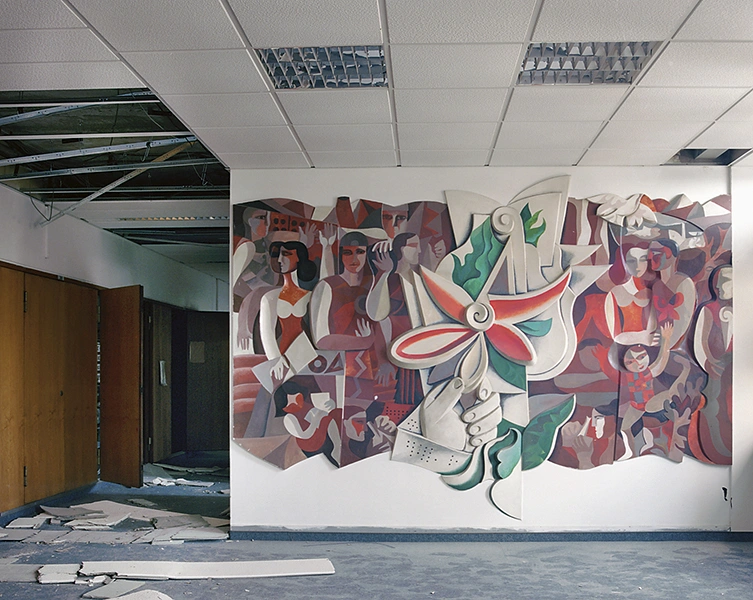
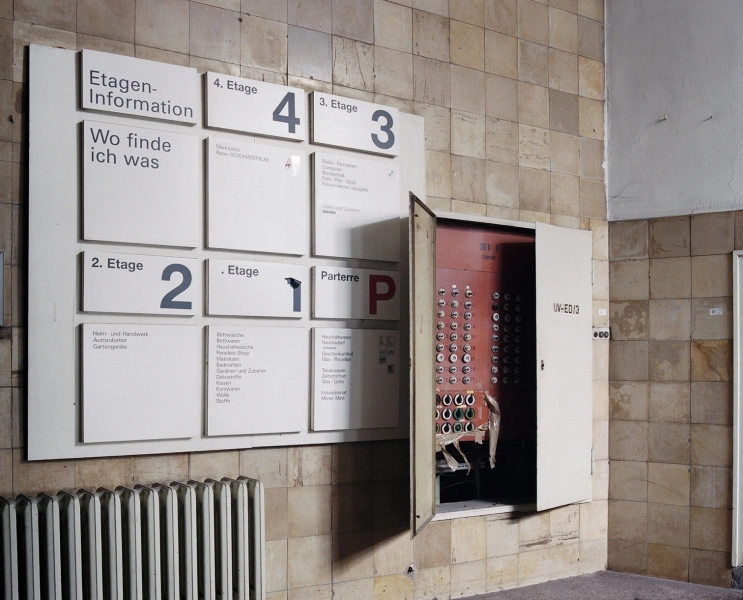
The VEB Robotron series features four wall reliefs that were located in the former Robotron building in the center of Leipzig. Created in 1968, they are titled "Life under Socialism – Data Processing." I photographed them in their original locations—in the foyers on various floors—shortly before the building was demolished.

Series of 4 Analog Photographs, C-Prints, 30 x 40 cm, framed behind passepartout and glas, Edition of 5 + 2 A.P

01 Arno Rink, Wandbild Robotron Gebäude 1970, Leipzig, 2012, C-Print, 30 x 40 cm, framed behind Passepartout and Glas

02 Frank Ruddigkeit, Wandbild Robotron Gebäude 1970, Leipzig, 2012, C-Print, 30 x 40 cm, framed behind Passepartout and Glas

03 Klaus Schwabe, Wandbild Robotron Gebäude 1970, Leipzig, 2012 C-Print, 30 x 40 cm,C-Print, 30 x 40 cm, framed behind Passepartout and Glas

04 Rolf Kuhrt, Wandbild Robotron Gebäude 1970, Leipzig, 2012 C-Print, 30 x 40 cm, C-Print, 30 x 40 cm, framed behind Passepartout and Glas

Series of 32 Photograph, c-prints and diasec, different sizes, Edition of 5 + 2 A.P.

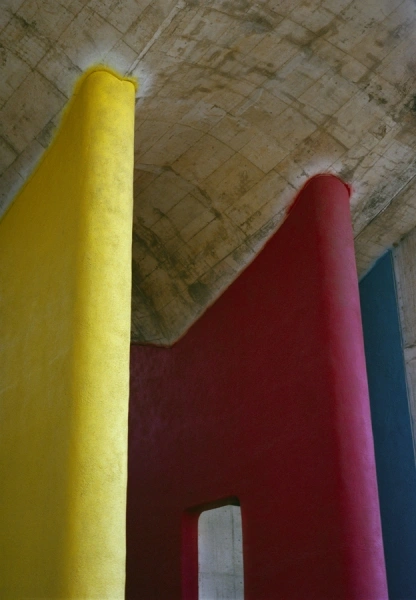
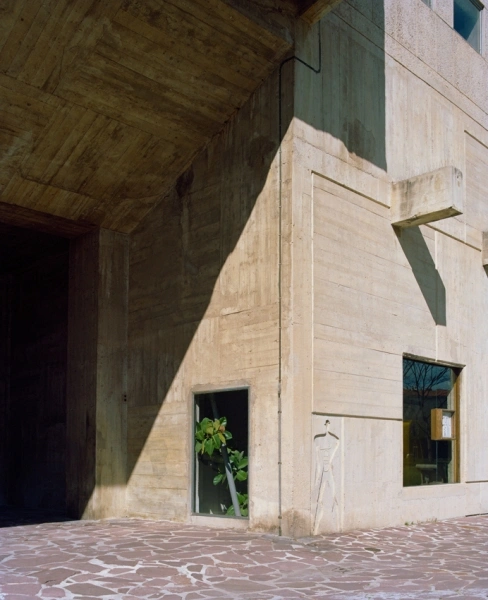
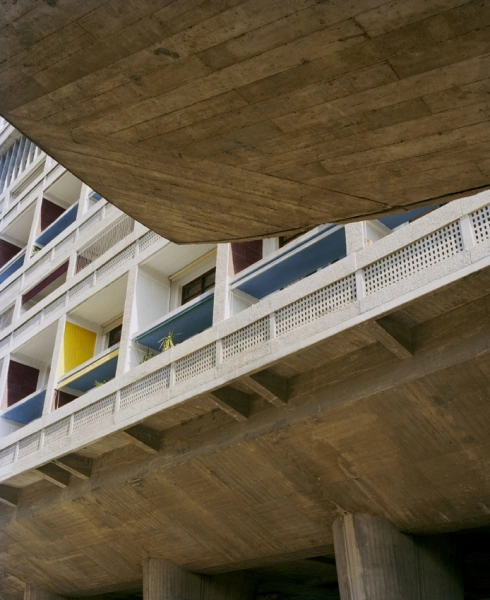
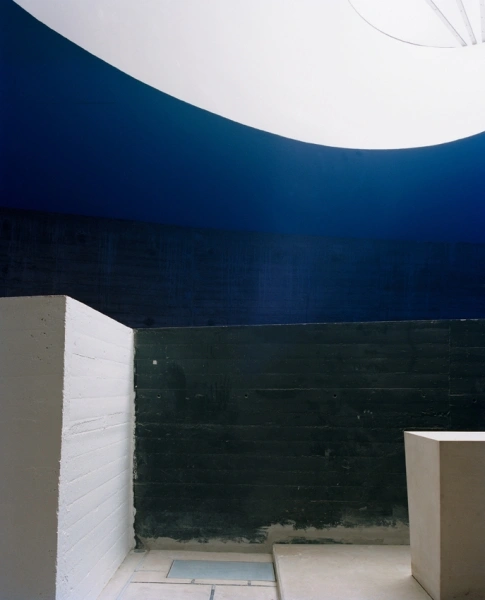
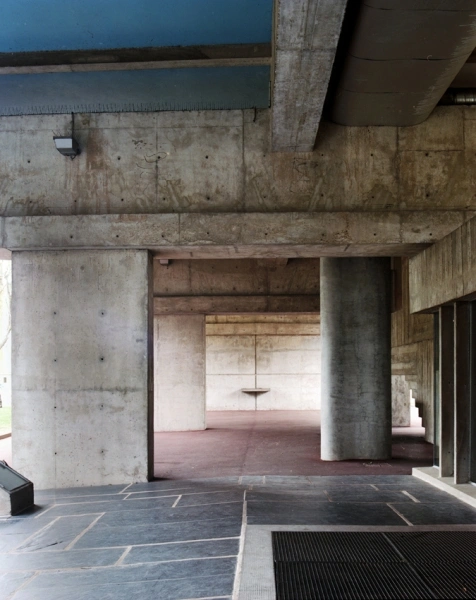
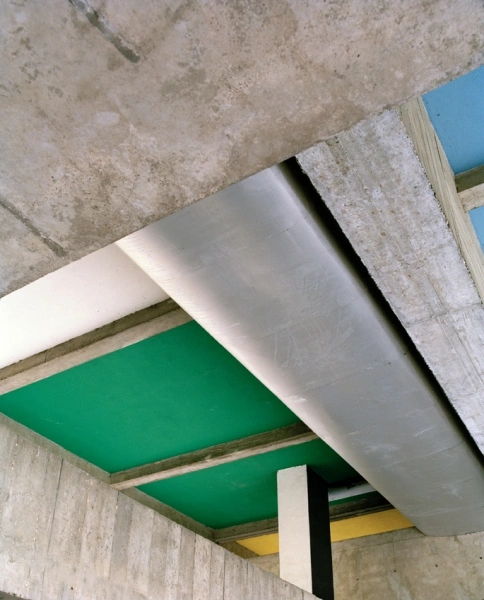
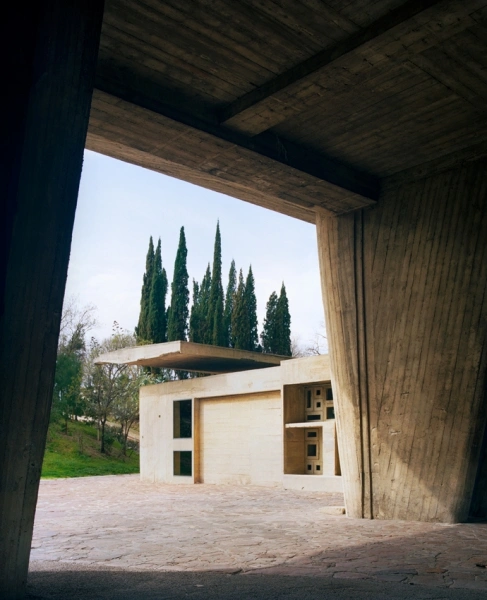
The photographic series refers to the publication from Le Corbusier „Vers une Architecture“ from 1923 and reflects the contemporary status of utopian ideas that were created in this time. It shows new perspectives of Le Corbusiers architecture by relating to his idea of the total work of art, including painting and sculpture in the construction of houses. The photographies are less documentary than abstract, appearing as collages of colour and materials that are used in the buildings. The image hereby is a symbol for a new reading of the architecture of Le Corbusier.

01 Couvent de Saint-Marie de La Tourette I, Eveux, 2013, C-Print hinter Acrylglas, 140 x 170 cm

02 Unité d‘Habitation II, Marseille, 2013 C-Prints, 135 x 110 cm gerahmt hinter Glas

03 Unité d'Habitation IV, Marseille, 2013, C-Print hinter Acrylglas, 120 x 100 cm, 2 Holzelemente

04 Couvent de Saint-Marie de La Tourette II, 2013 C-Print, 130 x 105 cm, gerahmt hinter Glas

05 Maison du Brésil II, Paris, 2012, C-Print, 135 x 110 cm, gerahmt hinter Glas

06 Armée du Salut IV, 2012, C-Print, 40 x 30 cm, gerahmt hinter Passepartout und Glas

07 Pavillion Suisse I, 2012, C-Print, 40 x 30 cm, gerahmt hinter Passepartout und Glas

08 Maison du Bresil I, Paris 2012, C-Print hinter Acrylglas, 150 x 120 cm

09 Unité d‘Habitation I, Marseille, 2013, C-Prints, 135 x 110 cm, gerahmt hinter Glas

Series of 12 Photograph, C-Prints, 5 + 2 A.P.

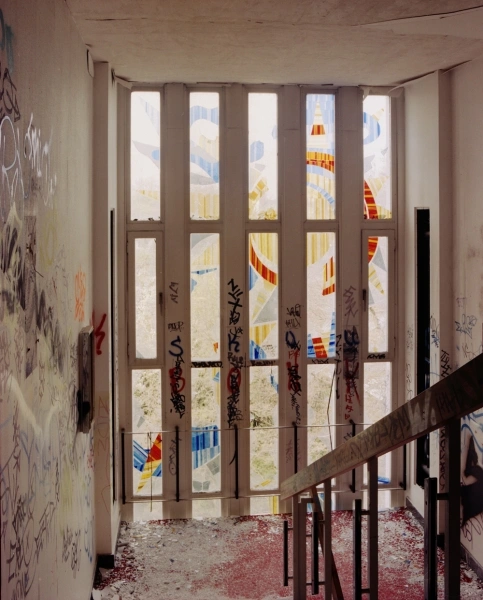
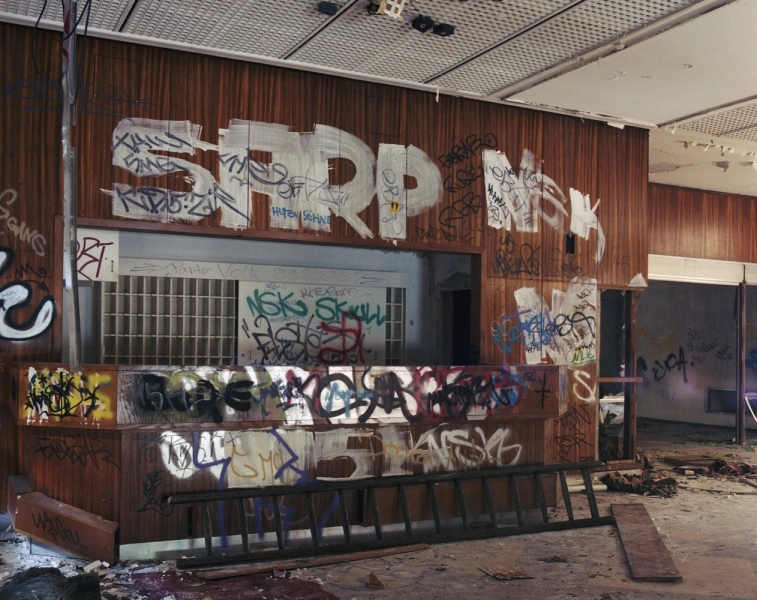
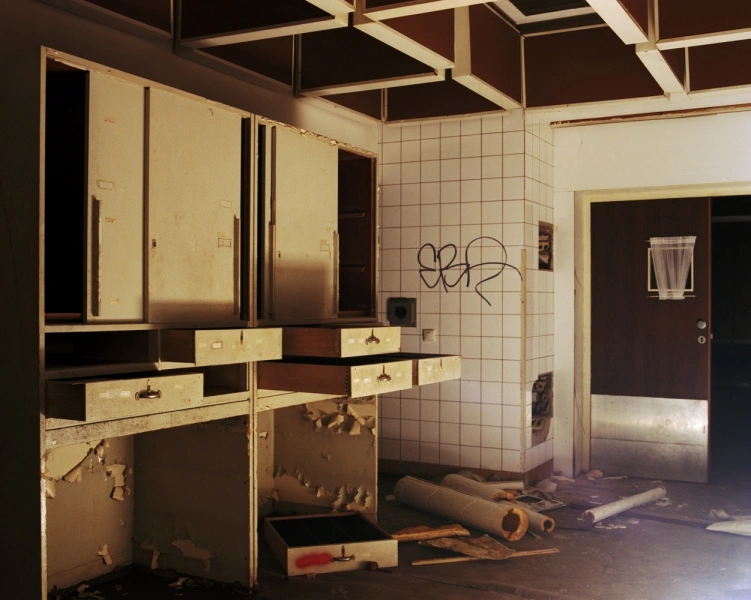
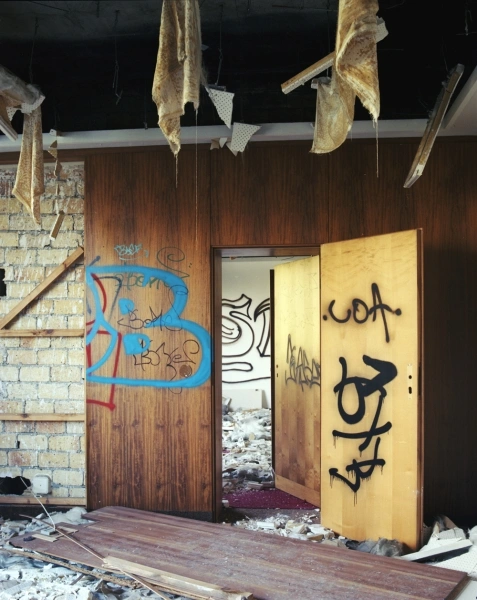
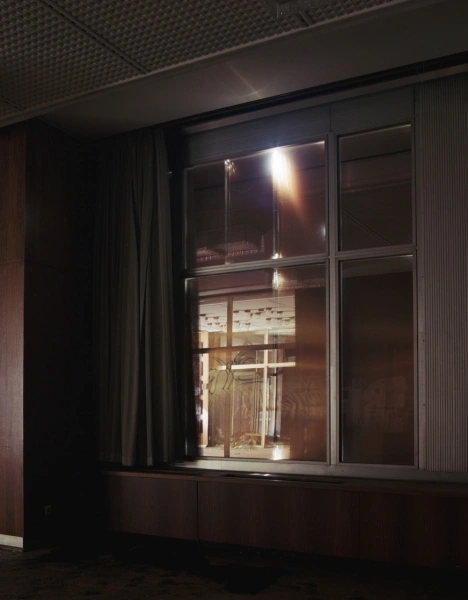
01 Außenansicht, Gästehaus der DDR, Berlin, 2010

02 Bad, Gästehaus der DDR, Berlin, 2010

03 Foyer, Gästerhaus der DDR, Berlin, 2010

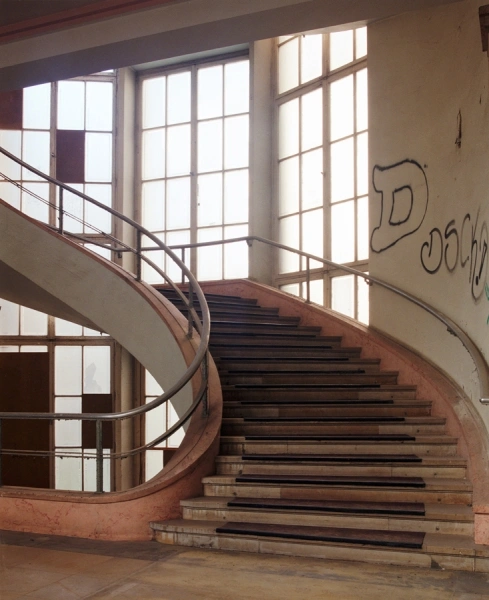
04 Treppenhaus, Gästehaus der DDR, Berlin, 2010

05 Rezeption, Gästehaus der DDR, Berlin, 2010

06 Küche, Gästehaus der DDR, Berlin, 2010

07 Gästezimmer, Gästehaus der DDR, Berlin, 2010

08 Foyer, Gästehaus der DDR, Berlin

Series of 21 Photograph, Black and White Photography, Bromsilbergelatine and C-Prints, 60 x 50 cm and 50 x 60 cm, Edition of 5 + 2 A.P.

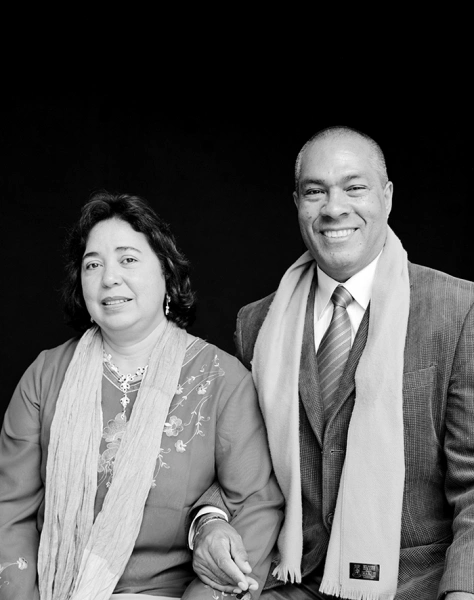
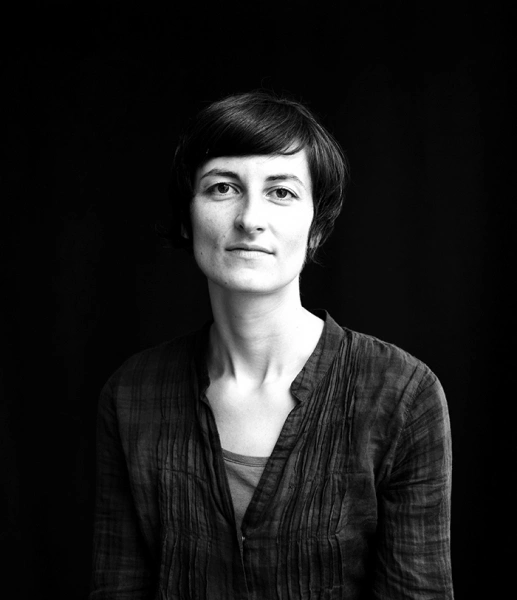
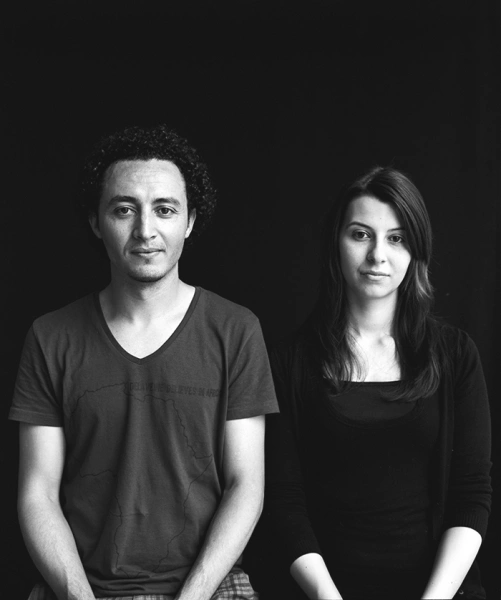
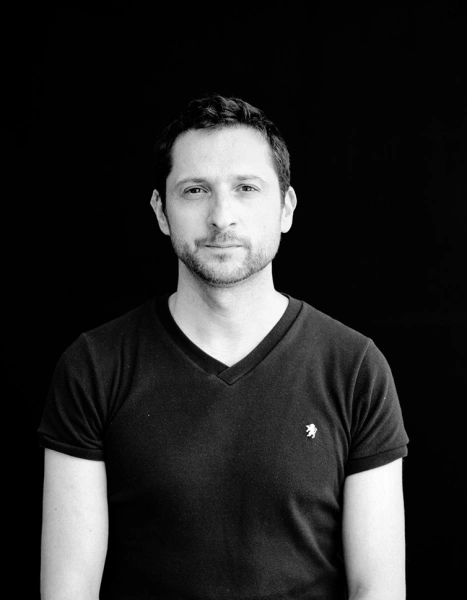
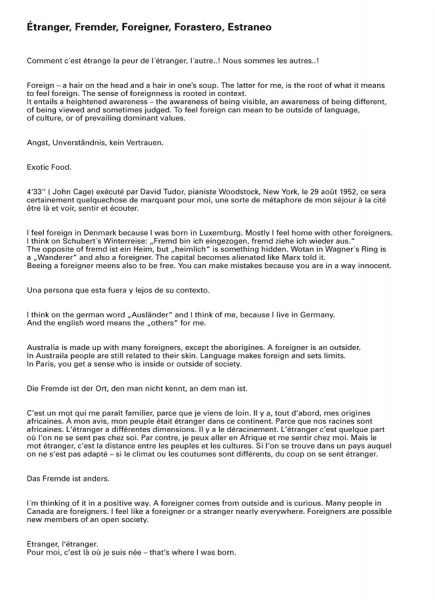
All images were taken at the time of my residence at the Cité Internationale des Arts, a residency for artists in Paris. The photographed persons resided and lived with me at the Cité Internationale des Arts. They are from different nations and were interviewed by me on their associations of the word "foreign".

01 a.d.S. Étrangers, Paris, 2010, schwarz-weiß Fotografie, Bromsilbergelatine, 60 x 50 cm

02 a.d.S. Étrangers, Paris, 2010, schwarz-weiß Fotografie, Bromsilbergelatine, 60 x 50 cm

03 a.d.S. Étrangers, Paris, 2010, C-Print, 60 x 50 cm

04 a.d.S. Étrangers, Paris, 2010, C-Print, 50 x 60 cm

05 a.d.S. Étrangers, Paris, 2010, schwarz-weiß Fotografie, Bromsilbergelatine, 60 x 50 cm

06 a.d.S. Étrangers, Paris, 2010, schwarz-weiß Fotografie, Bromsilbergelatine, 60 x 50 cm

07 a.d.S. Étrangers, Paris, 2010, schwarz-weiß Fotografie, Bromsilbergelatine, 60 x 50 cm

08 a.d.S. Étrangers, Paris, 2010, schwarz-weiß Fotografie, Bromsilbergelatine, 60 x 50 cm

09 a.d.S. Étrangers, Paris, 2010, C-Print, 50 x 60cm

10 a.d.S. Étrangers, Paris, 2010, schwarz-weiß Fotografie, Bromsilbergelatine, 60 x 50 cm

11 a.d.S. Étrangers, Paris, 2010, schwarz-weiß Fotografie, Bromsilbergelatine, 60 x 50 cm

12 Textdokument, Schrift auf Wand

Erich Mendelsohn, Kaufhaus Schocken, Chemnitz, 2009
Photographs of the Mendelsohn building in Chemnitz, Saxony. Architectural photography for the architects Knerer und Lang and for the City of Chemnitz.

01 Außenansicht, Kaufhaus Schocken, Chemnitz

02 Kaufhaus Schocken, Chemnitz

03 Kaufhaus Schocken, Chemnitz, 2009

04 Kaufhaus Schocken, Chemnitz, 2009

05 Kaufhaus Schocken, Chemnitz, 2009

06 Kaufhaus Schocken, Chemnitz, 2009

07 Kaufhaus Schocken, Chemnitz, 2009

08 Kaufhaus Schocken, Chemnitz, 2009

09 Kaufhaus Schocken, Chemnitz, 2009

10 Kaufhaus Schocken, Chemnitz, 2009

11 Kaufhaus Schocken, Chemnitz, 2009

12 Kaufhaus Schocken, Chemnitz, 2009

Series of 9 AnalogPhotographs, C-Prints, 72 x 90 cm and 90 x 72 cm, 1 digital Print, 100 x 70 cm, Edition of 5 + 2 A.P.
1 of 5 Artist Books, Edition of 13 + 2 A.P.


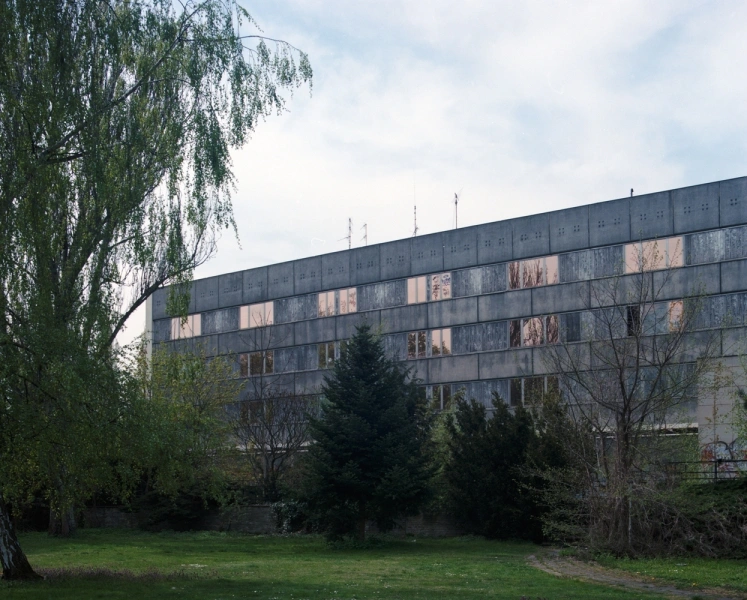
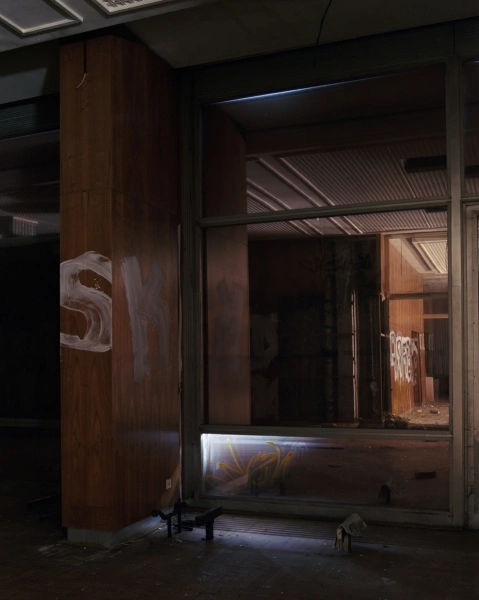
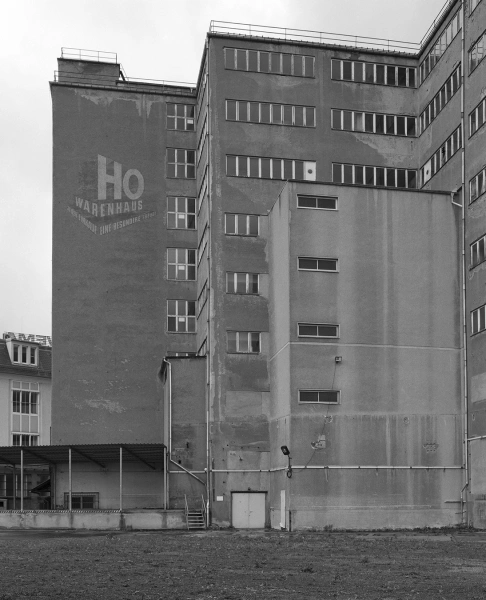
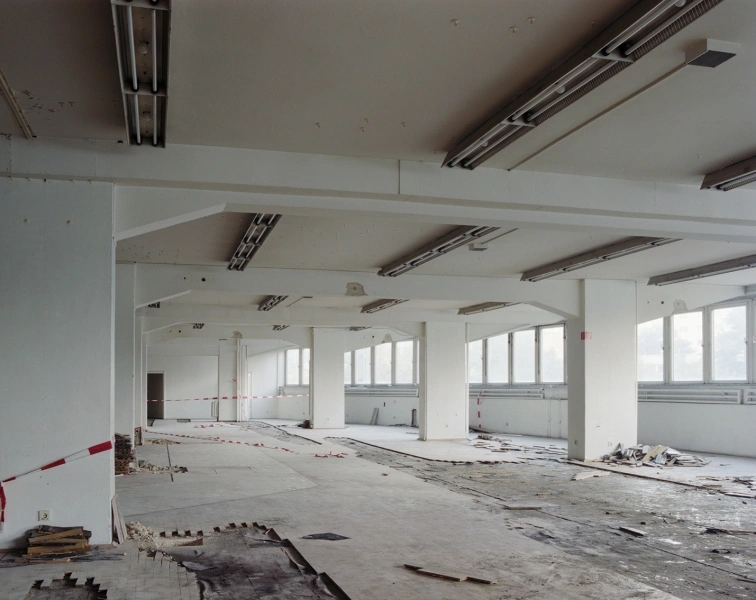
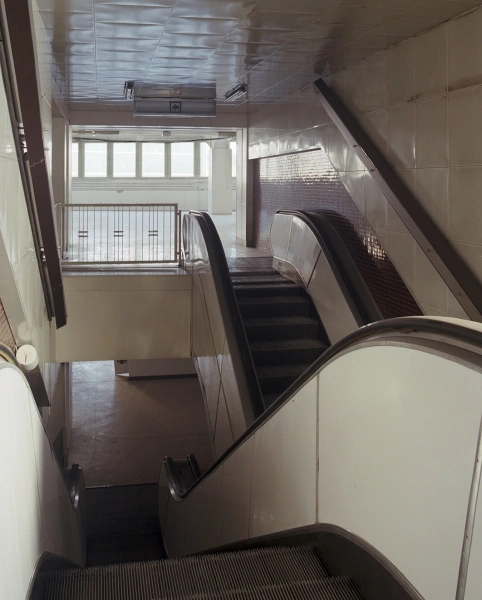
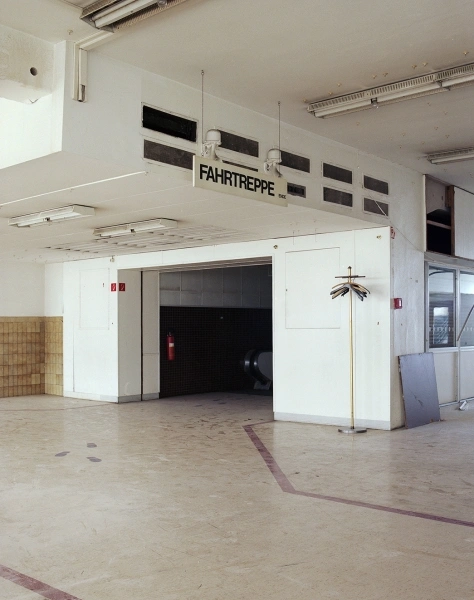
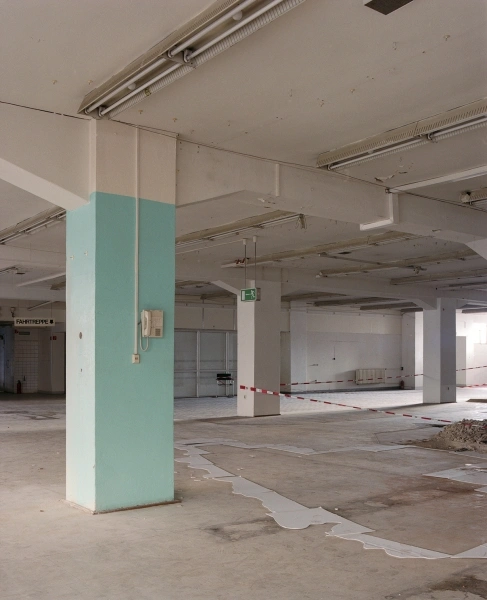
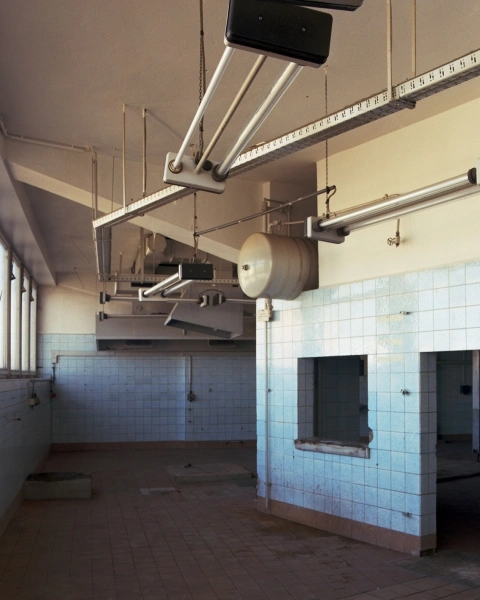
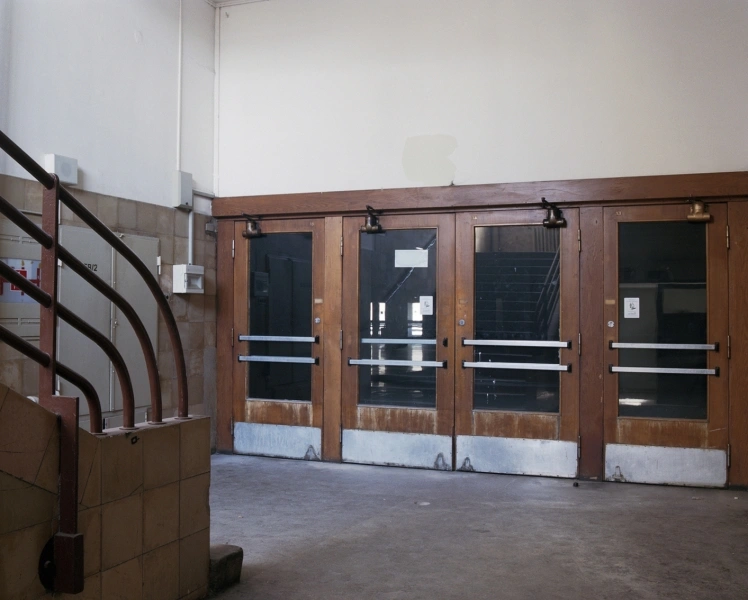
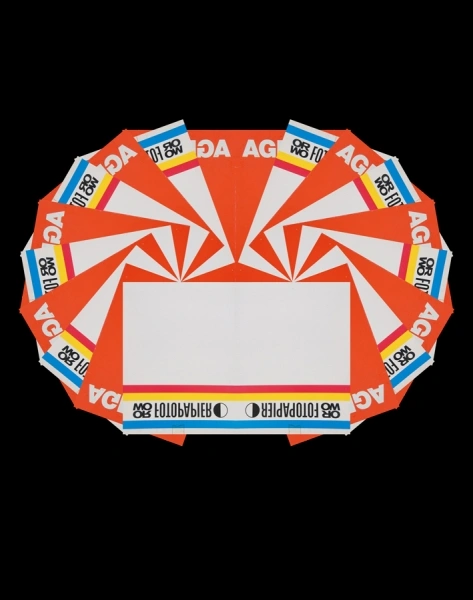
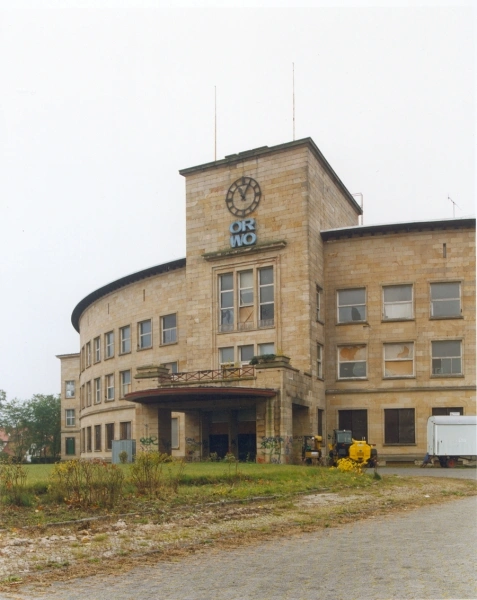
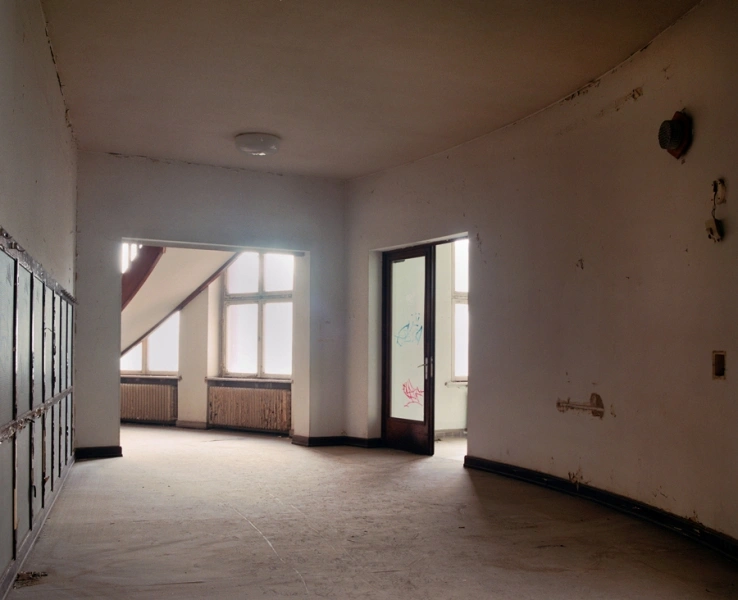
„Original Wolfen“ is part of the „archive of abandoned buildings“, a work on structural legacies of the GDR who lost their functions after the German reunification. Nowadays, the objects are in state of neglect or preservation. Five buildings of the series „The Chamber“, „Original Wolfen“, „Guesthouse of the Ministery of GDR“, „ZEHA special sports footwear Hohenleuben“ and „VEB combine for baked goods Saalfeld“ are united in a photographic image archive so far. This archive is an attempt to preserve them from vanishing completely from the cultural memory. In 1909, the Actien Gesellschaft for Anilin-Fabrikation (AGFA) in Wolfen founded a film factory which became the biggest producer of roll film in the 1920s. Developed in Wolfen in 1936, the product Agfa-Color-Neu is based on the basic principle of multilayer colour film, which is used in the production of colour films to date. During First and Second World War the factory procuded special films for airspace and was integrated in war economy. In 1949, after the division of Germany AGFA moved the factory to Leverkusen and stopped the production in Wolfen. In 1964, a new factory was founded in the GDR by the name ORWO, Original Wolfen, which was oriented on the East European market. Highly sensitiv colour films, black-and-white material, reversal films, photographic paper, kine films and sound films were produced until 1994. Because of the development of digital photography the pictures of this series are a memorial in a double twist: for the loss of the company ORWO and for the vanishing of analogue photography.

01 Plakat, 100 x 70 cm

02 a.d.S. Original Wolfen, C-Print, 90 x 72 cm

03 a.d.S. Original Wolfen, C-Print, Dyptichon, jeweils 90 x 72 cm

04 a.d.S. Original Wolfen, C-Print, 72 x 90 cm

05 a.d.S. Original WOlfen, C-Print, 90 x 72 cm

06 a.d.S. Original Wolfen, C-Print, 72 x 90 cm

Series of 17 Analog Photographs, C-Prints, 24 x 30 cm and 30 x 24 cm, 5 Silkscreens, 18 x 24 cm, Edition of 5 + 2 A.P.

1 of 5 Artist Books, Edition of 13 + 2 A.P.

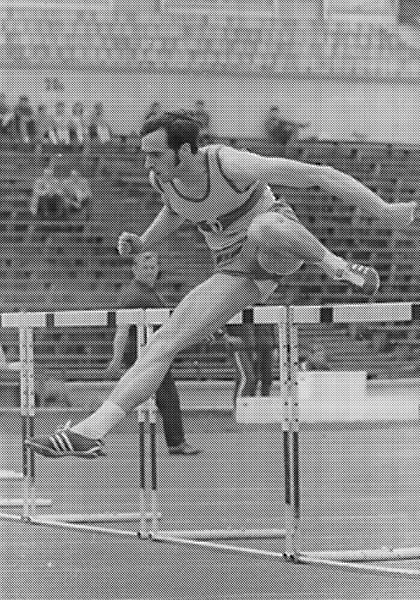
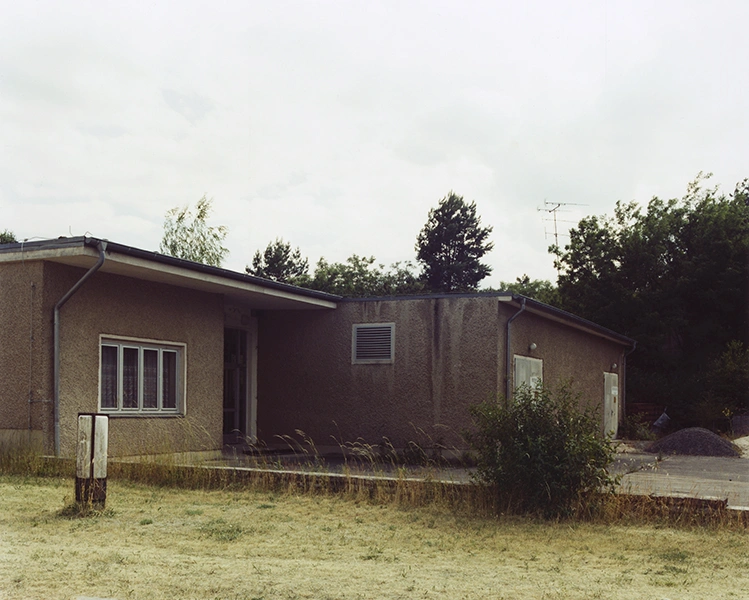
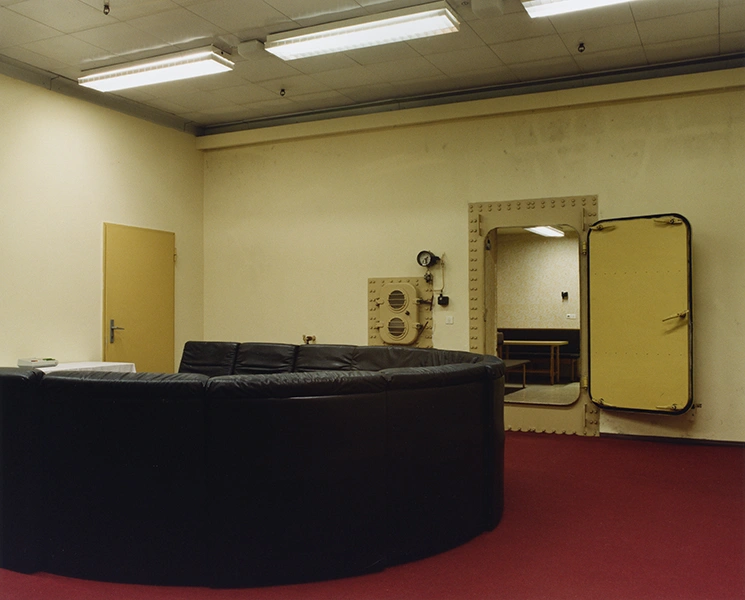
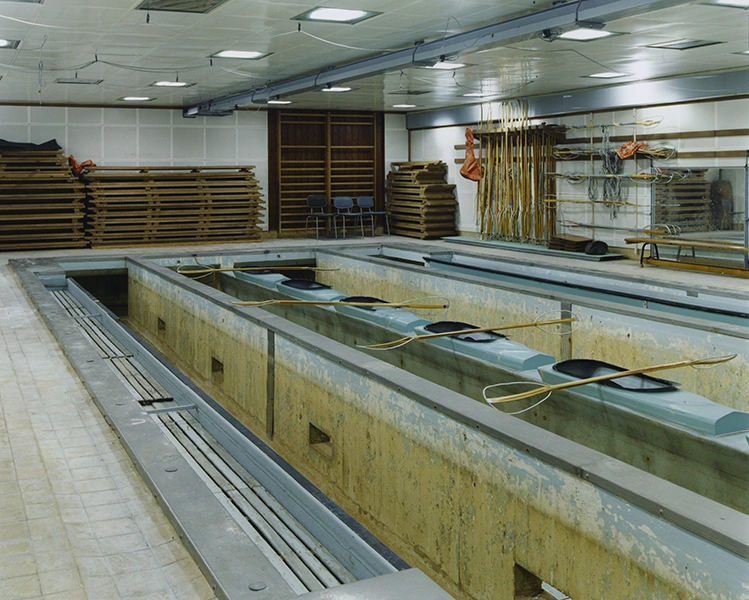
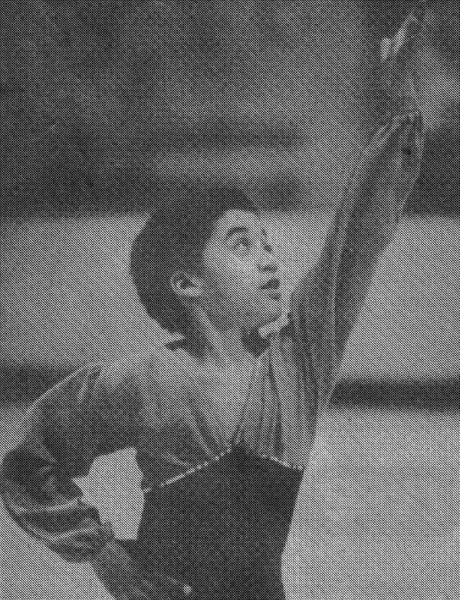
Near Berlin, in a sport-training-camp, in a small forest is a room without function, concervated since nineteen years. It was a secret room, which was used by athletes to increase their red blood cell count and haemoglobin concentration with the help of a simulation of altitude training. My work show the different rooms of the chamber in combination with screen prints from former sport events.

01 Die Kammer, Kienbaum, 2009, C-Print 24 x 30 cm

02 Die Kammer, Kienbaum, 2009, Siebdruck, 24 x 18 cm

03 Die Kammer, Kienbaum, 2009, C-Print 24 x 30 cm

04 Die Kammer, Kienbaum, 2009, C-Print 24 x 30 cm

05 Die Kammer, Kienbaum, 2009, C-Print 24 x 30 cm

06 Die Kammer, Kienbaum, 2009, C-Print 24 x 30 cm

07 Die Kammer, Kienbaum, 2009, C-Print, 30 x 24 cm

08 Die Kammer, Kienbaum, 2009, C-Print 24 x 30 cm

09 Die Kammer, Kienbaum, 2009, C-Print 24 x 30 cm

10 Die Kammer, Kienbaum, 2009, C-Print, 30 x 24 cm

Series of 12 analog Photographs, 90 x 72 cm and 72 x 90 cm, Edition of 5 + 2 A.P.

Bulgaria is one example for a post communist state, where one could find many outdated monuments still representing the ideology of communist power. After the cultural turn in 1989 the character of thosee monuments changed. They were destroyed or abandoned and thus altered their appearance. In my photos I show different states of their variation and by doing so put a question mark over the value of those relicts.

01 Depot der Nationalgalerie, Sofia 2007, C-Print 72 x 90 cm gerahmt hinter Glas

02 Kalina Tasewa, Boicho Grigow, Wladimir Boew, 1. Konferenz der Kommunist. Partei, Öl auf Leinwand 1951, Depot der Nationalgalerie, Sofia 2007, C-Print 90 x 72 cm gerahmt hinter Glas

03 Rubinstern, Parteipalast Sofia 1953, Lagerplatz am Städt. Bad, Sofia 2007, C-Print 90 x 72 cm gerahmt hinter Glas

04 Nikolai Schmirgela, Johann 1970, Granit, Depot des Vereins Bildender Künstler, Sofia 2007, C-Print 72 x 90 cm gerahmt hinter Glas

05 Stefanow, Lewiew, Iwanow, Mosaike 1975, Busludscha Denkmal, Balkan 2007, C-Print 72 x 90 cm gerahmt hinter Glas

06 Georgi Stoilow, Denkmal der Komm. Partei 1975, Busludscha, 2007, C-Print 90 x 72 cm gerahmt hinter Glas

07 Maria Stolarowa, Bild einer Arbeiterin, Depot der Städt. Galerie Sofia 2007, C-Print 90 x 72 cm gerahmt hinter Glas

08 Stoju Todorow, Einheit des Kampfes... 1975, Metall, Beton, Busludscha/Balkan 2007, C-Print 72 x 90 cm gerahmt hinter Glas

09 Dimo Saimow, Die Partei 1976, Wandgemälde, Parteigebäude Pernik 2007, C-Prints je 90 x 72 cm, Dyptichon gerahmt hinter Glas

Series of 18 Photograph, C-Prints, 24 x 18 cm and 18 x 24 cm, Manual Typesetting on Passepartout, 2 documents, Edition of 5 + 2 A.P.

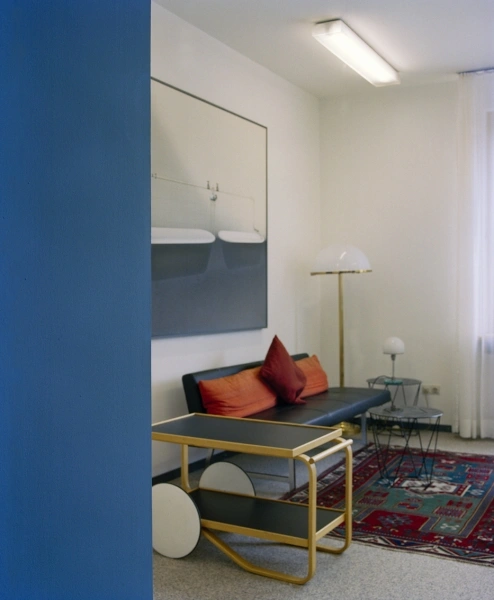
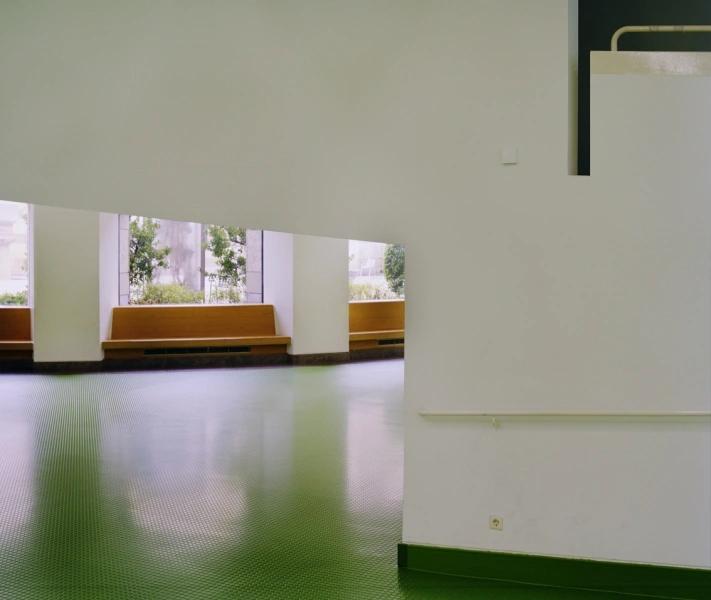
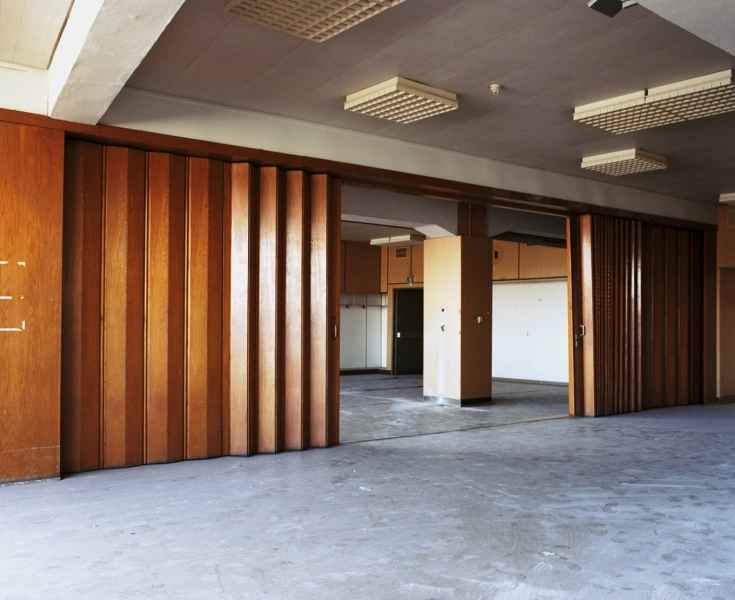
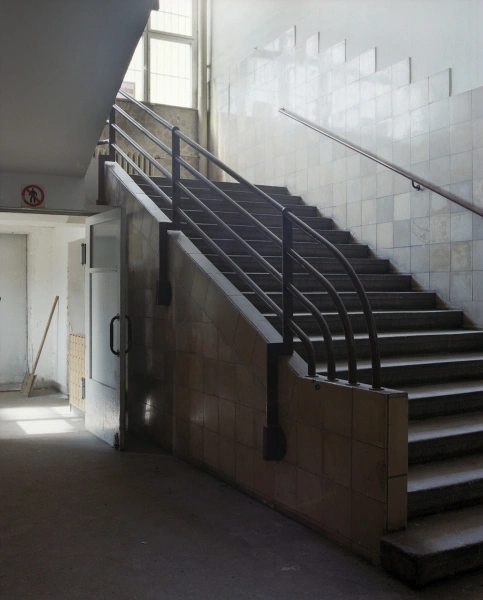
The „Guesthouse at the park“ is part of the architectural legacy of the GDR. It is a shining example of the buildings of the 1960ies that are nowadays in an unpleasant and decrepit state. Once one of the most representative buildings of the city of Leipzig hosting people like Erich Honecker, Erich Mielke or Franz Joseph Strauß it went to rack and ruin during the 90ies becoming functionless architecture. The failure of a state’s utopia brings about the decay or even the demolition of its architecture as well.

01 Bad, Gästehaus am Park, Leipzig 2007, C-Print 24 x 18 cm hinter Passepartout

02 Bar, Gästehaus am Park, Leipzig 2007, C-Print 24 x 18 cm hinter Passepartout

03 Gästehaus am Park, Leipzig 2007, C-Print 24 x 18 cm hinter Passepartout

04 Gästehaus am Park, Leipzig 2007, C-Print 24 x 18 cm hinter Passepartout

05 Gästezimmer, Gästehaus am Park, Leipzig 2007, C-Print 18 x 24 cm hinter Passepartout

06 Gästezimmer, Gästehaus am Park, Leipzig 2007, C-Print 24 x 18 cm hinter Passepartout

07 Konferenzraum, Gästehaus am Park, Leipzig 2007, C-Print 24 x 18 cm hinter Passepartout

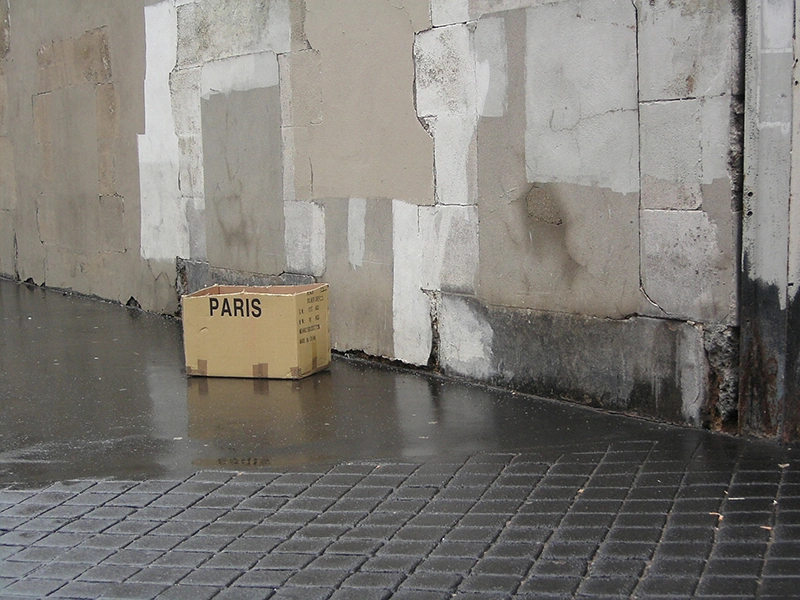
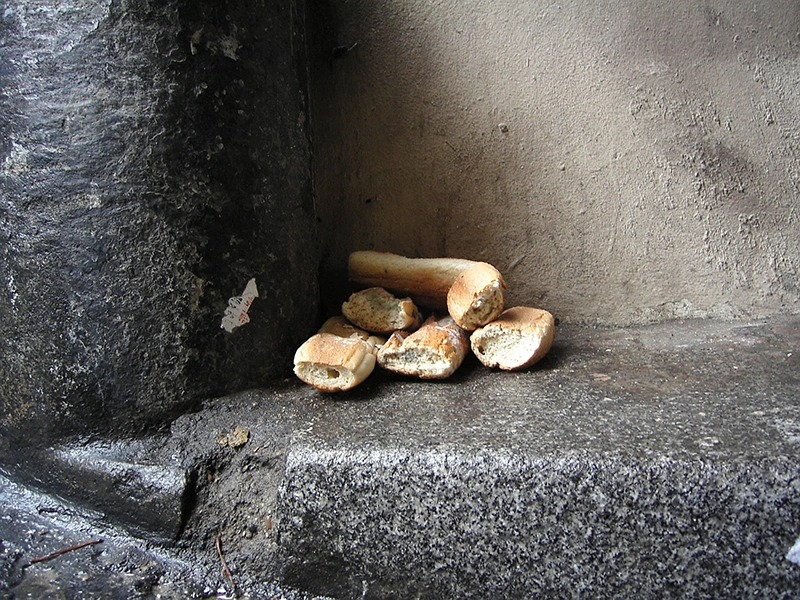
Series of 36 Digital Photographs, Inkjet-Prints on Canson Paper, Edition of 5 + 2 A.P., Artist Book of 64 Pages, Edition of 10

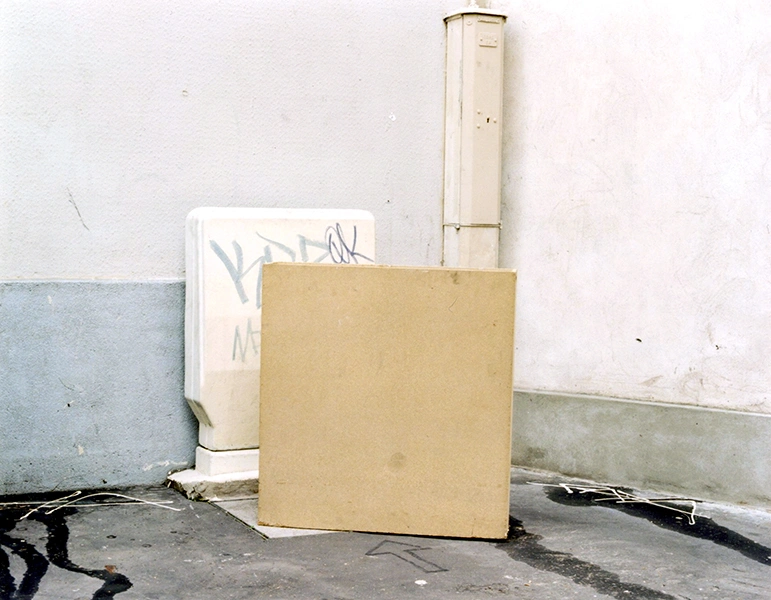
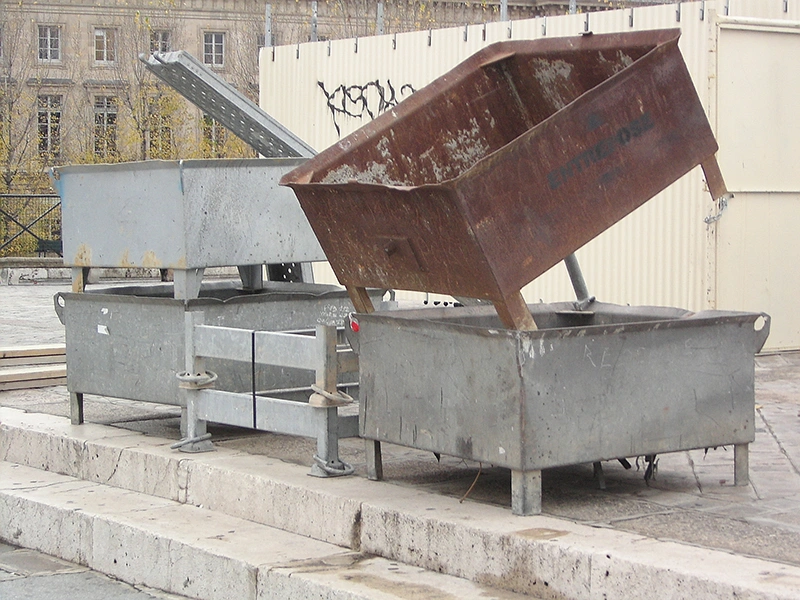
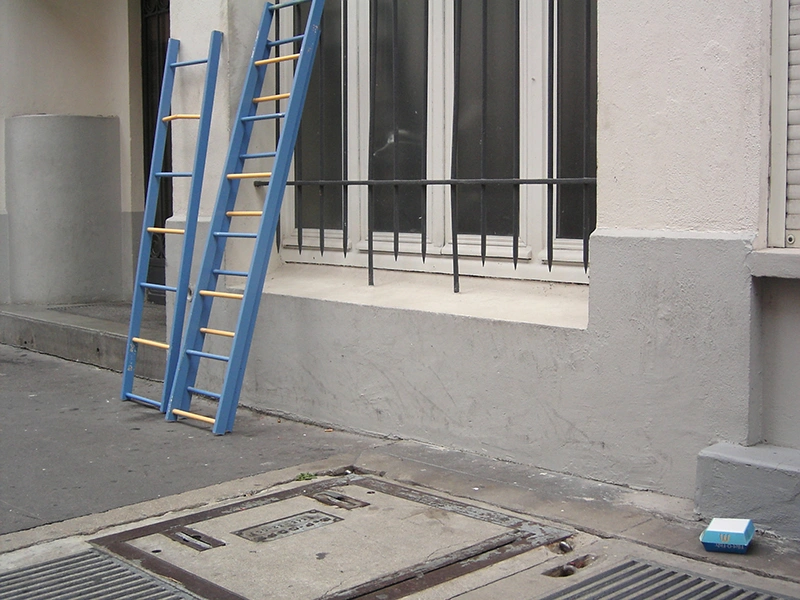
01 Rue de Paris, Paris 2005, digitaler Inkjetprint auf Canson Zeichenpapier 10 x 14 cm

02 Rue de Charenton, Paris 2005, digitaler Inkjetprint 10 x 14 cm auf Canson Zeichenpapier

03 Pont Neuf, Paris 2005, digitaler Inkjetprint 10 x 14 cm auf Canson Zeichenpapier

04 Avenue de l'Opéra, Paris 2005, digitaler Inkjetprint 10 x 14 cm auf Canson Zeichenpapier

05 Quai Voltaire, Paris 2005, digitaler Inkjetprint 10 x 14 cm auf Canson Zeichenpapier

06 Place de la Bastille, Paris 2005, digitaler Inkjetprint 14 x 10 cm auf Canson Zeichenpapier

07 Impasse du Maroc, Paris 2005, digitaler Inkjetprint 10 x 14 cm auf Canson Zeichenpapier

08 Boulevard de Magenta, Paris 2005, digitaler Inkjetprint 14 x 10 cm auf Canson Zeichenpapier

09 Rue Cavé, Paris 2005, digitaler Inkjetprint 10 x 14 cm auf Canson Zeichenpapier

Series of 14 Analog Photographs, C-Prints, 100 x 125 cm and 125 cm x 100 cm, framed behind glas, Edition of 5 + 2 A.P.

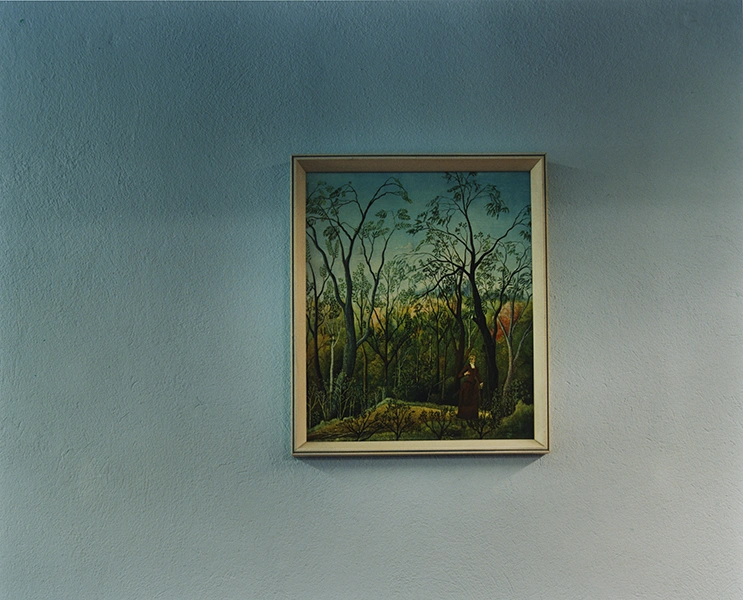
I follow the traces of art made in the former GDR. On the one hand I take photographs of the blank spaces in rooms or on the walls or facades that were appeared when pictures were taken away or painted over after the cultural and political turn in 1989. On the other hand I visit archives or storages where images with an uncertain future are stored or forgotten. The titles of the photographs refer to these. My „vanished pictures“ by including the name of the artist, the title, dates and technique, thereby become their representatives.

01 Bernhard Heisig, ohne Titel 1969, Sgraffito, Gästehaus am Park, Leipzig 2006, C-Print 110 x 140 cm gerahmt hinter Glas

02 Gerhard Richter, Lebensfreude 1956, Wandbild, Dt. Hygiene Museum, Dresden 2005, C-Print 100 x 125 cm gerahmt hinter Glas

03 G.A. Schulz, Leipziger Messe 1958, Öl auf Leinwand, ehem. Interhotel Astoria, Leipzig 2007, C-Print 100 x 120 cm gerahmt hinter Glas

04 Hartwig Ebersbach, Antiimp. Solidarität 1977, Öl auf Sperrholz, Altenhain 2003, C-Print 125 x 100 cm gerahmt hinter Glas

05 Thomas Ziegler, Sowj. Soldaten 1987, Öl auf Leinwand, Kunstarchiv Beeskow 2004, C-Print 120 x 100 cm gerahmt hinter Glas

06 Werner Petzold, ...Atomenergie 1974, Industrieemaille, Wismut Gelände Paitzdorf 2006, C-Print 125 x 100 cm gerahmt hinter Glas

07 Werner Petzold, In der Teufe 1972, Öl auf Hartfaser, Wismut Gelände Paitzdorf 2006, C-Print 100 x 125 cm gerahmt hinter Glas

08 Werner Tübke, Arbeiterklasse und Intelligenz 1973, Mischtechnik, Uni Leipzig 2006, C-Print 125 x 100 cm gerahmt hinter Glas

09 Werner Tübke, Fünf Kontinente 1959, Öl auf Holz, ehem. Interhotel Astoria, Leipzig 2006, C-Print 90 x 140 cm gerahmt hinter Glas

10 Wolfgang Peuker, Welttheater 1981, Wandfries, Gewandhaus Leipzig 2006, C-Print 130 x 110 cm gerahmt hinter Glas

Newsletter

I agree that my personal data will be used to send me emails about exhibitions and events by and with Margret Hoppe. I know that I can withdraw this consent at any time.

The newsletter is sent via rapidmail. By subscribing, the data you enter is transferred to rapidmail. Please also see their terms and privacy policy.

Margret Hoppe Photography

© 2026

Contact Instagram Privacy Policy Privacy